
There are so many interesting and worthwhile things to do in Suzhou. Lori and I know that choosing just a few for a one- to three-day visit can feel absolutely overwhelming!
That’s precisely why we put together this first-hand guide—loaded with the best of the best of Suzhou—and essential tips and information for visiting the city’s top attractions and beyond.
This isn’t meant to be a comprehensive travel guide for Suzhou. Here, we’ve chosen to highlight the attractions that left a lasting impression on us—from this historic, vibrant, and frequently overlooked corner of Eastern China.
Planning a Trip to Suzhou?
Here are our recommendations for top-rated hotels and tours in 2026:
✪ Top Hotel Pick Pan Pacific Suzhou (Old Town)
✪ Boutique Pick Unique Space Design Art Hotel (Old Town)
AND…top tours:
✪ From Shanghai Guided Day Trip with Bullet Train
✪ From Suzhou Customizable Suzhou Highlights Tour
This post contains affiliate links. If you click and make a purchase, we might receive a commission (at no added cost to you). Thanks for supporting independent, ad-free blogs!
Why Visit Suzhou, China
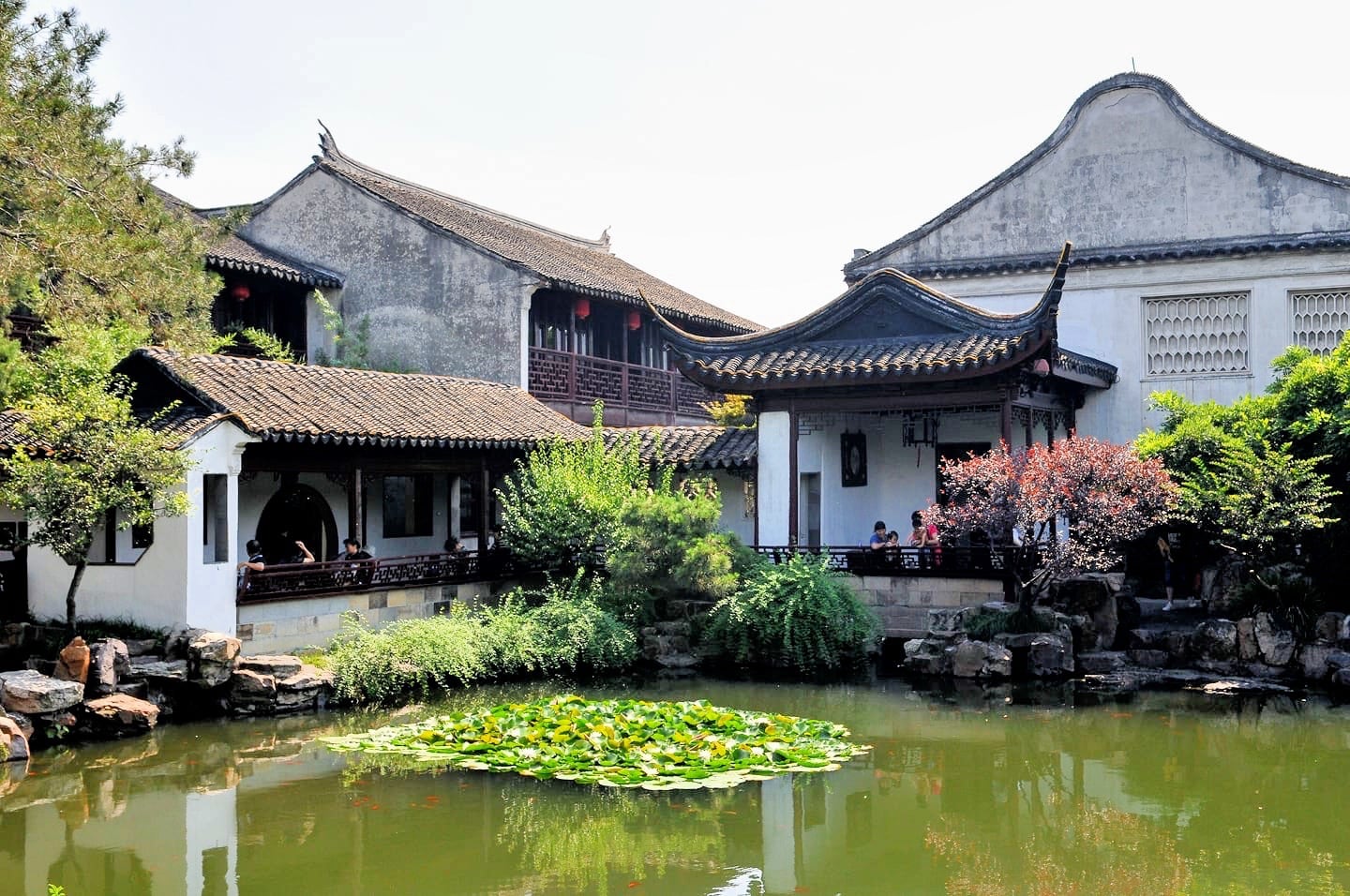
Suzhou has been popular with travelers for centuries, largely owing to its location along the Silk Road, and later, two of the city’s unique attractions: It’s world-class classical gardens, and well-preserved network of ancient canals.
A native of Venice, himself, Marco Polo paid Suzhou the ultimate Venitian compliment while traveling through the region in the 13th century, calling Suzhou the “Venice of the East.”
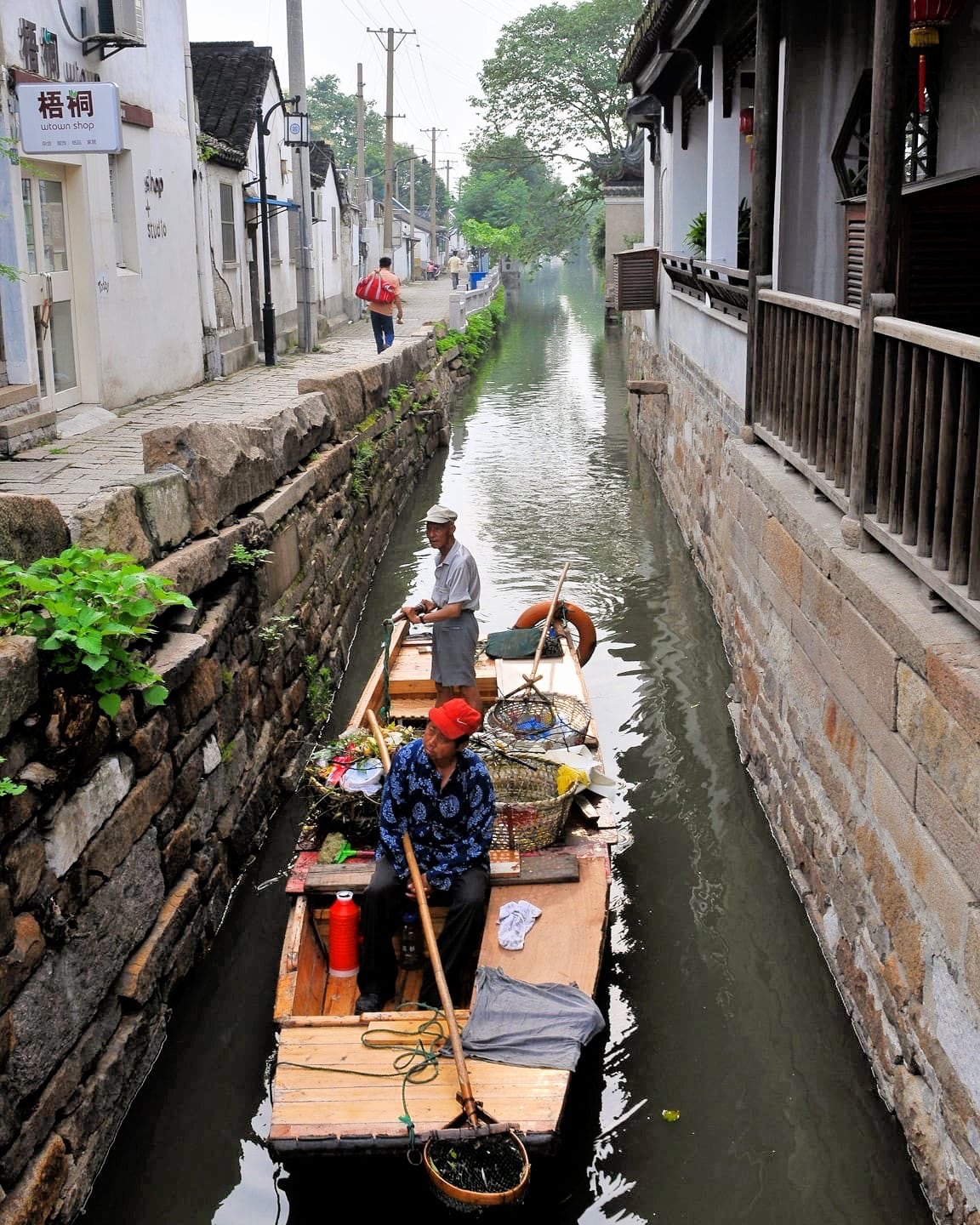
Undoubtedly, much has changed in the 800 years since, but even in the 21st century, you can easily get some sense of why Marco Polo may have felt that way.
Visit Suzhou for some of the best examples of classical Chinese gardens in the world, evocative canal walks, a vibrant night market, delicious cuisine, a UNESCO heritage quarter largely off the radar of Western tourists, and so much more!
Orientation
The city of Suzhou is massive, stretching from the Yangtze River in the north to Taihu Lake in the southwest.
Most of Suzhou’s attractions for foreign visitors, however, are located within the perimeter of the Weicheng River in the very manageable 3 km x 4 km historic center.
Suzhou’s classical gardens are scattered across the central Water Town district within the Weicheng perimeter.
We recommend basing yourself near Pingjiang Road, which parallels the picturesque Pingjiang canal with its 800-year-old footbridges and is centrally located in the middle of Suzhou’s top attractions.
The Best Things to Do in Suzhou
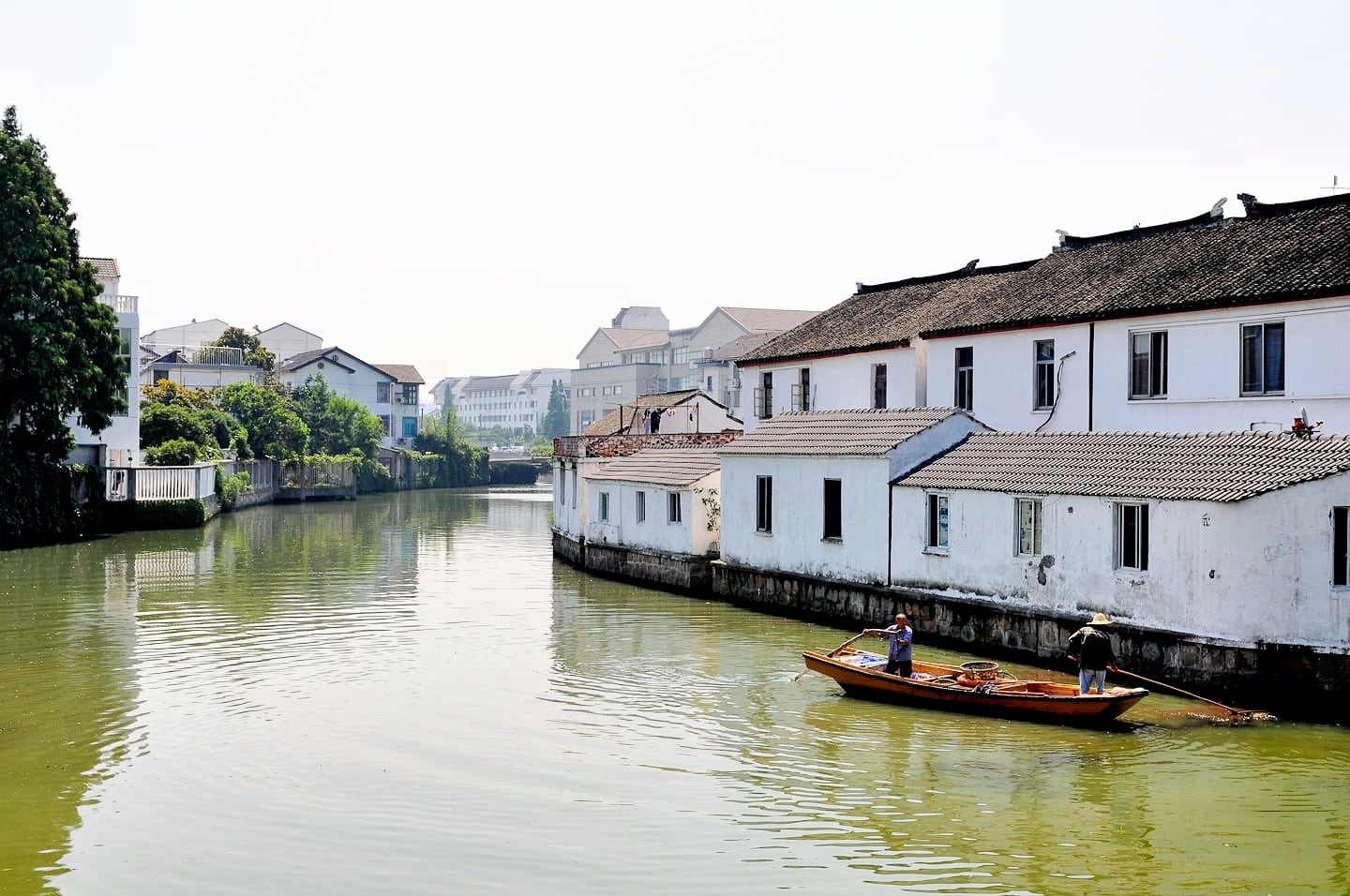
① Stroll Ancient Canals of Old Town
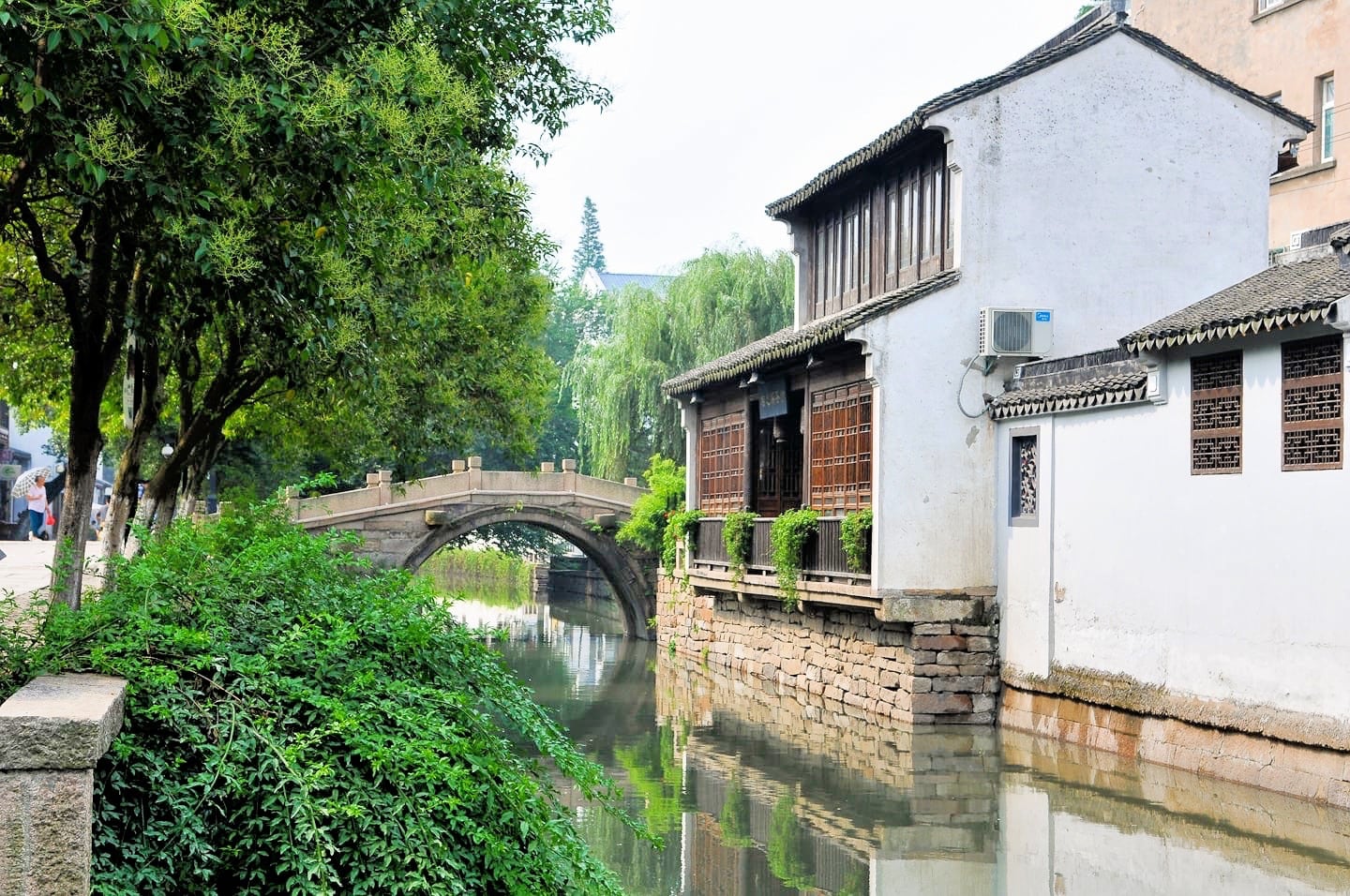
As we mentioned, Suzhou has long been popular with travelers (for somewhere in the neighborhood of 2,500 years). Beginning with the Song Dynasty (960-1279), it became an important center for the Silk trade, growing into a garden city beloved throughout the world.
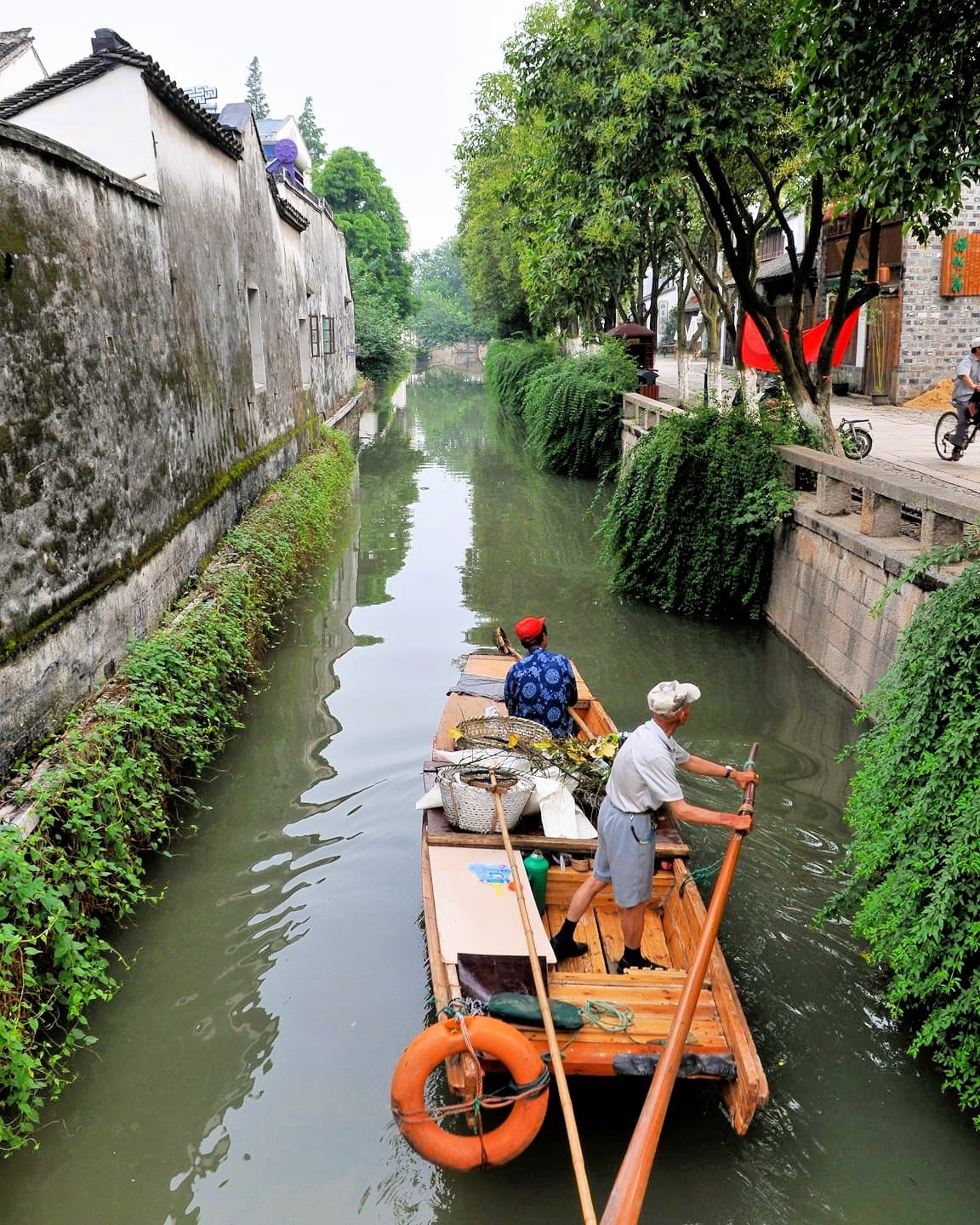
Echoes of the city’s long history can be found in every nook and cranny of Old Town. One of our favorite things to do in Suzhou is wander around the picturesque network of canals, poke into shops, and get lost in the ancient alleyways.
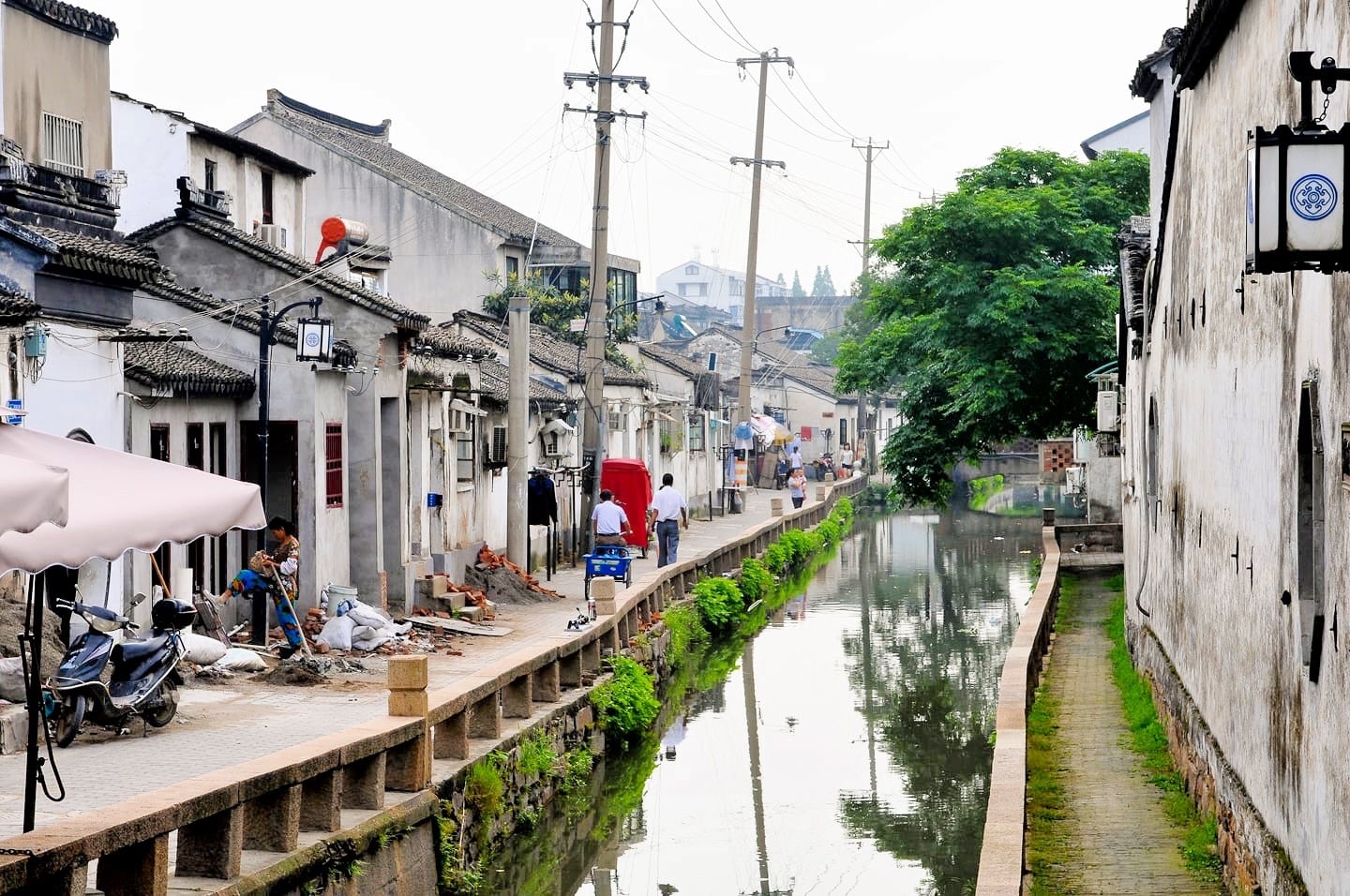
There are also a number of popular attractions in this part of the city, from museums to historic buildings, and the ever-popular night markets.
To get the most out of Suzhou in 1-3 days, we strongly recommend going on a tour with a knowledgeable guide like this customizable half-day tour.
Browse Hotels in Suzhou Old Town
② Tour Suzhou’s Classical Gardens
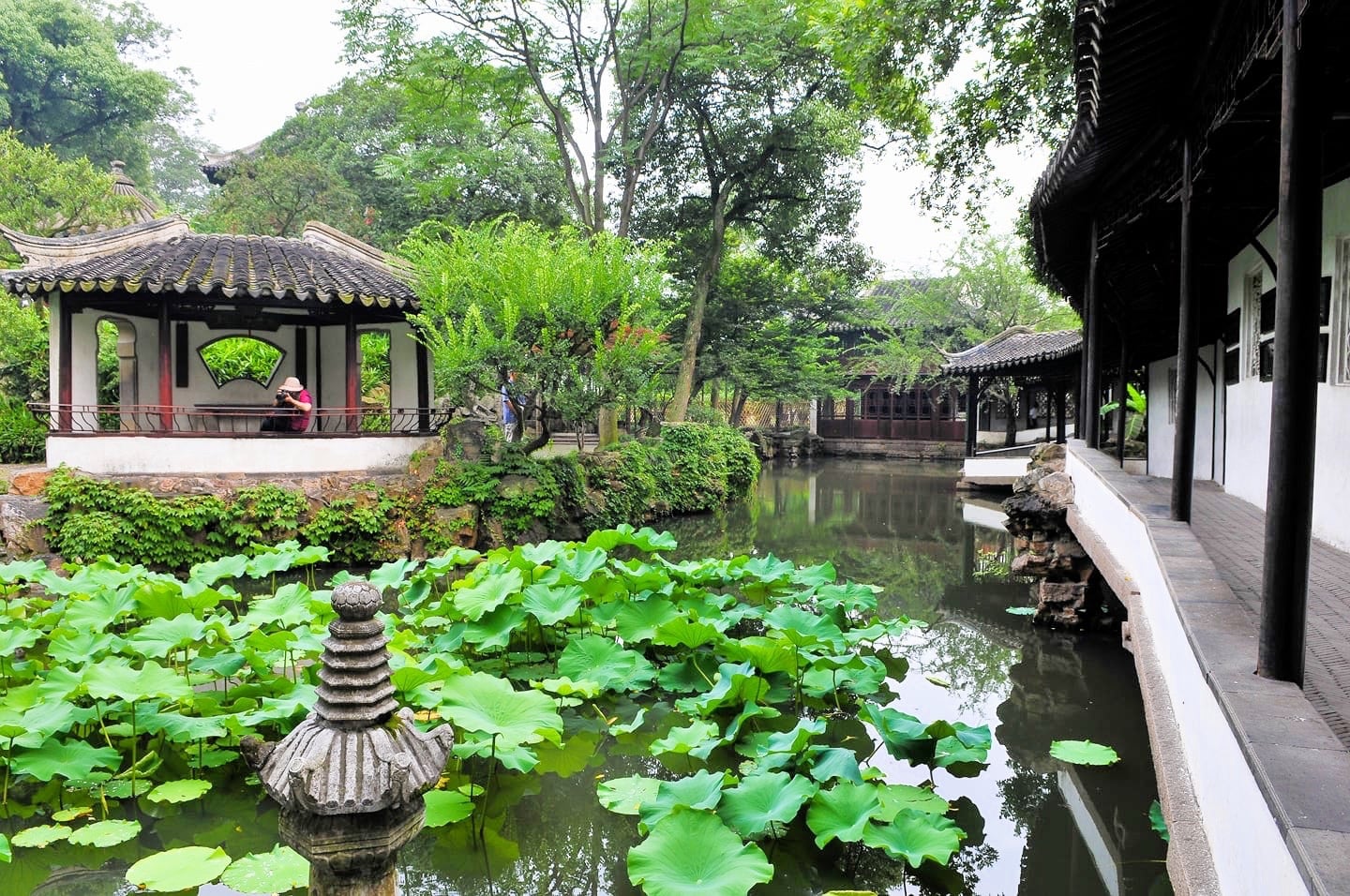
Most international travelers to Suzhou know this place because of its incredible classical gardens. Honestly, it’s what lured us to the city in the first place.
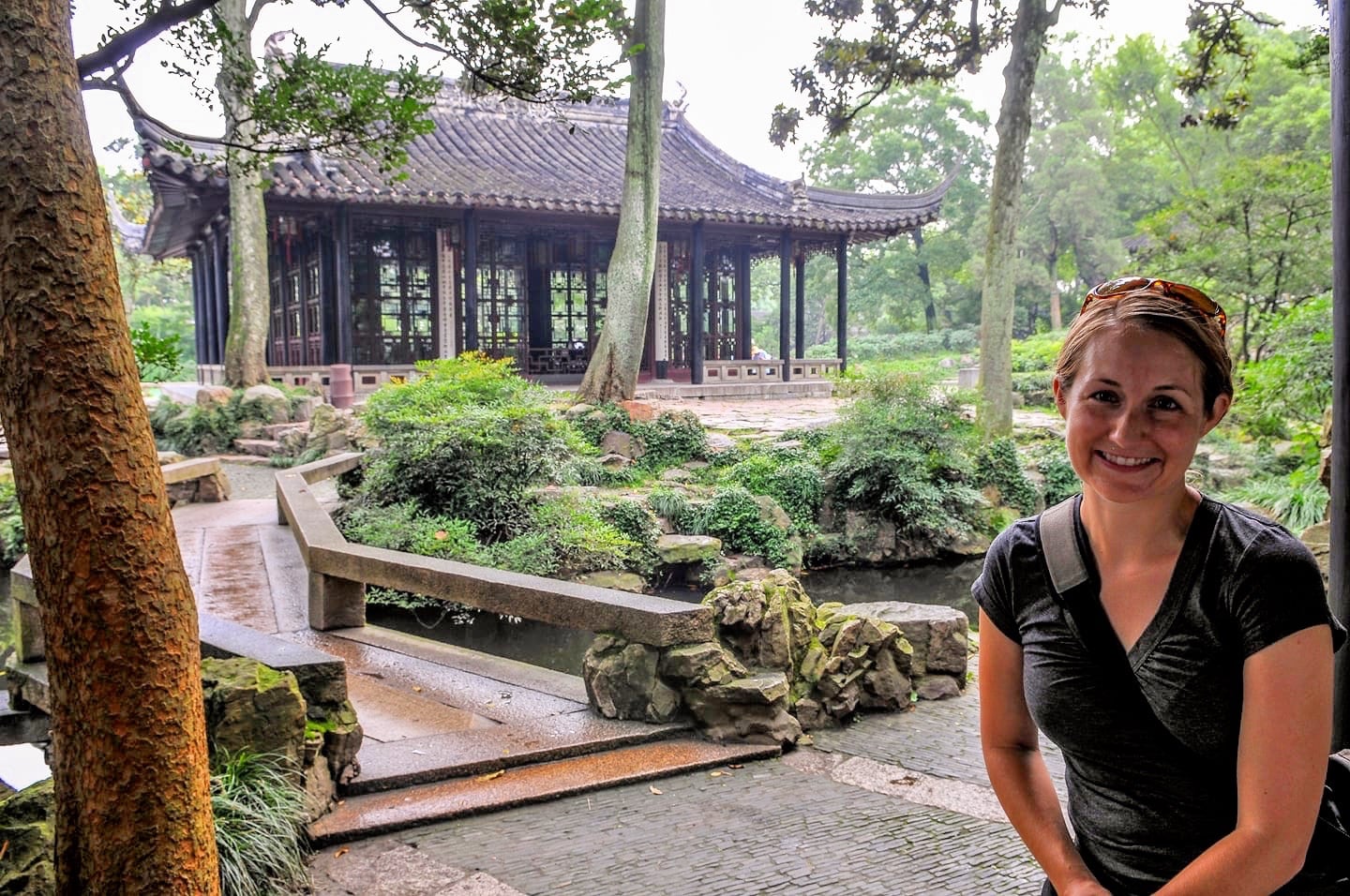
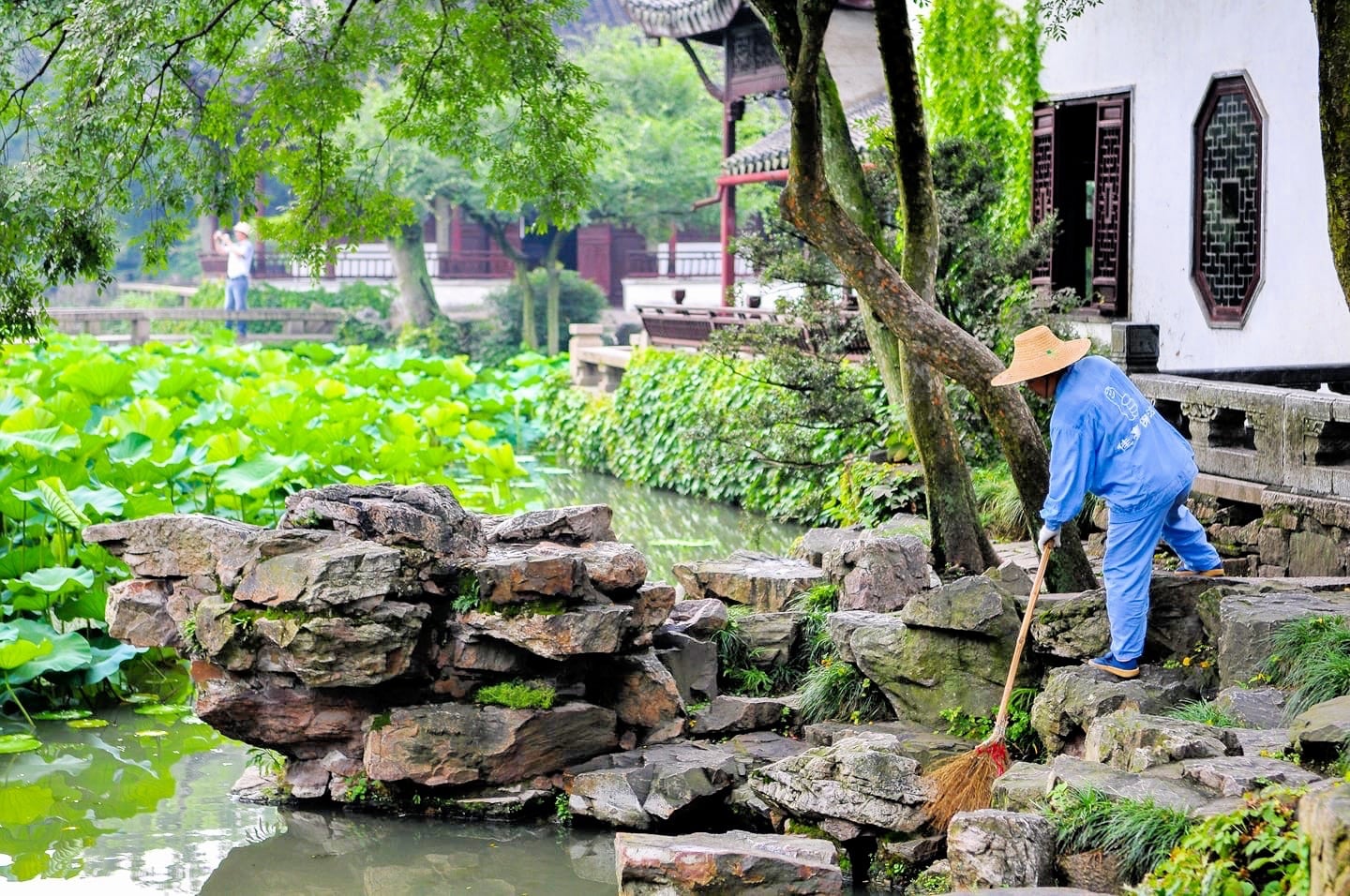
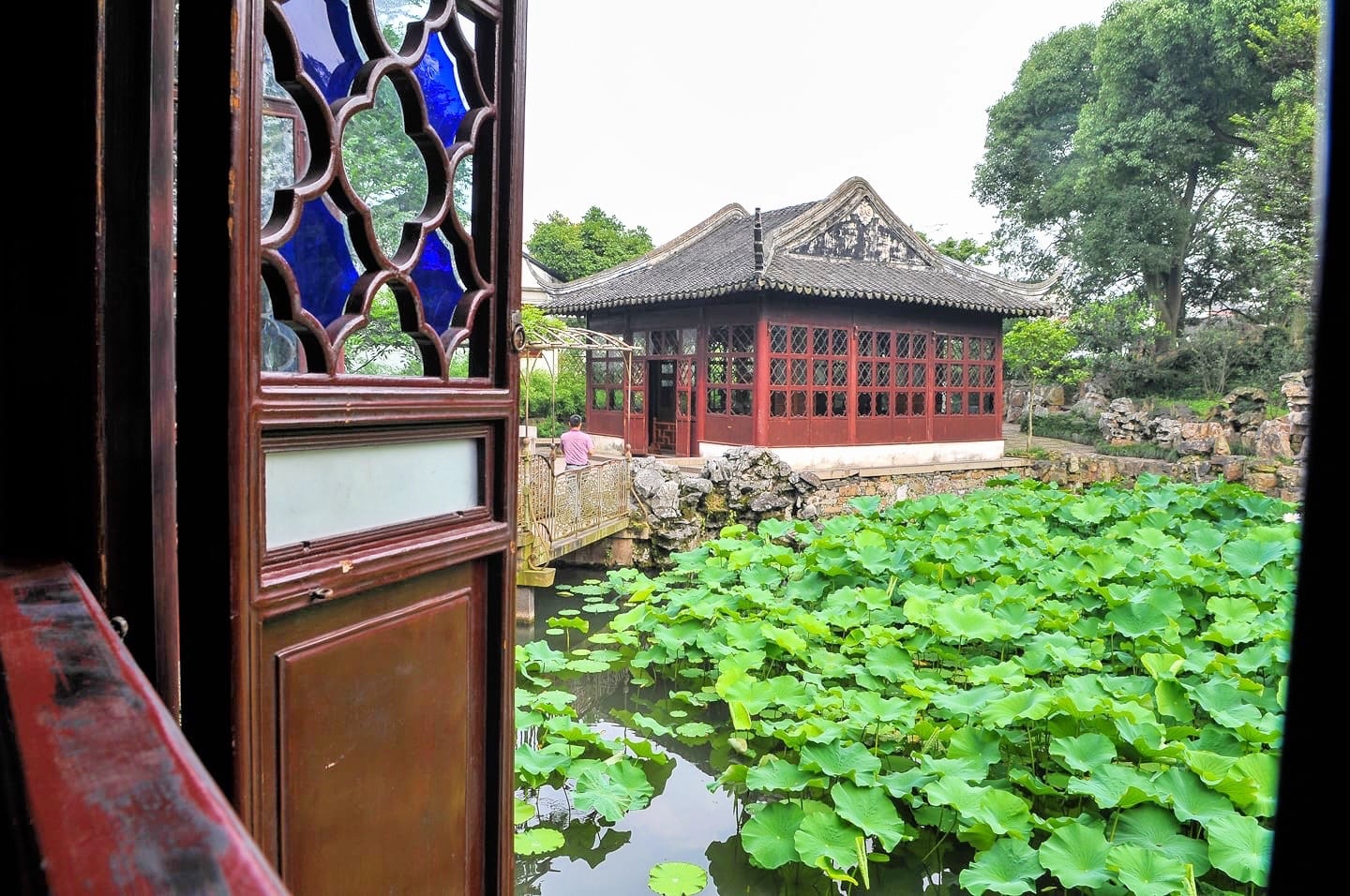
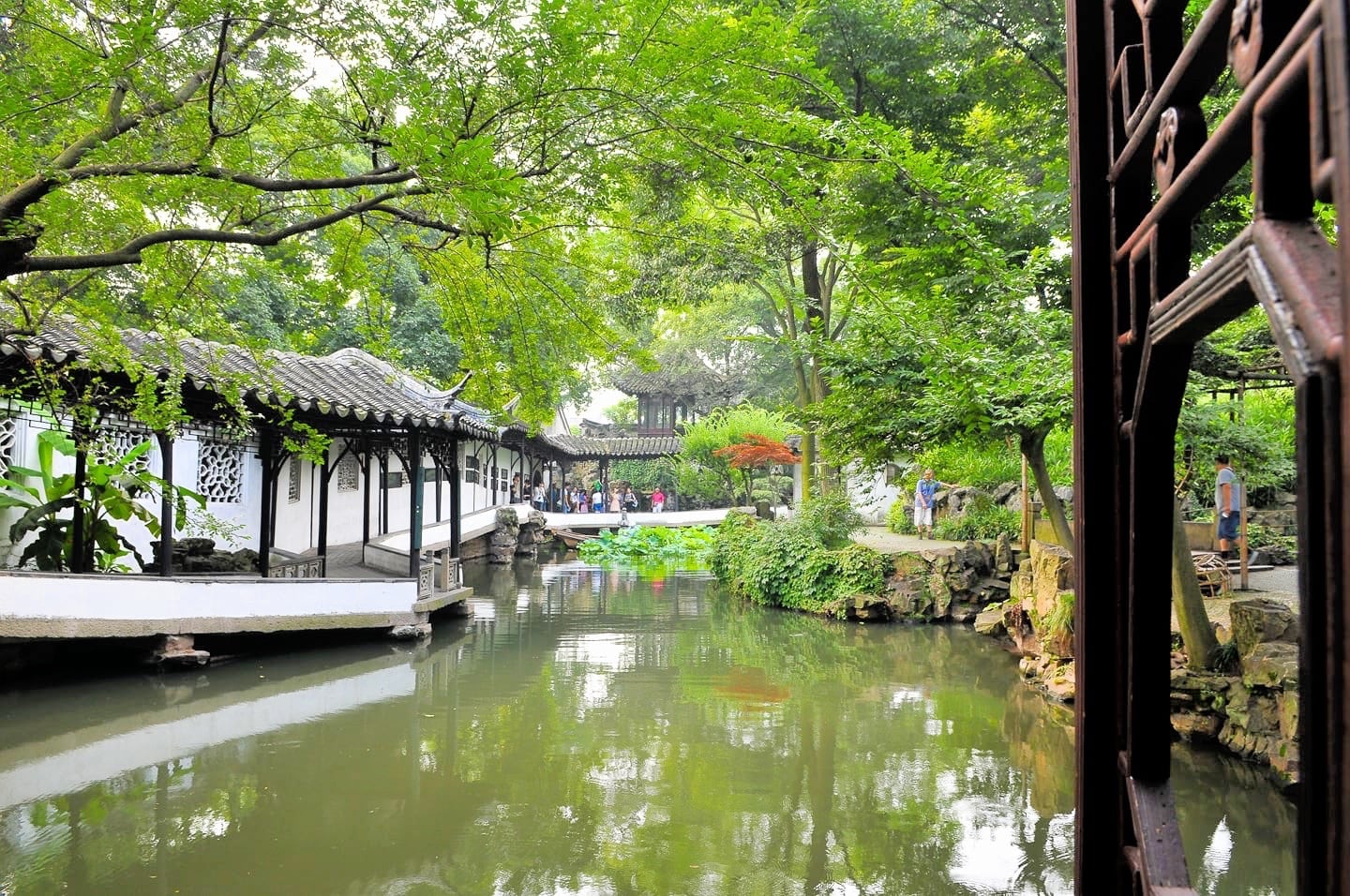
We could easily devote an entire website to covering the classical gardens of Suzhou, but in this article, we’ve decided to focus on two of the best: The huge Humble Administrator’s Garden and the old Master of the Nets garden.
But before we dive in, it’s worth mentioning that we could have paid a little more and gotten a heck of a lot more out of our experience. If we were to do it all over again, we’d definitely hop on a Classical Garden Tour. The top-rated city tour we mentioned in the previous section lets you pick the one that speaks to you the most.
The Humble Administrator’s Garden
(Pinyin: Zhuōzhèng Yuán | Chinese: 拙政园)
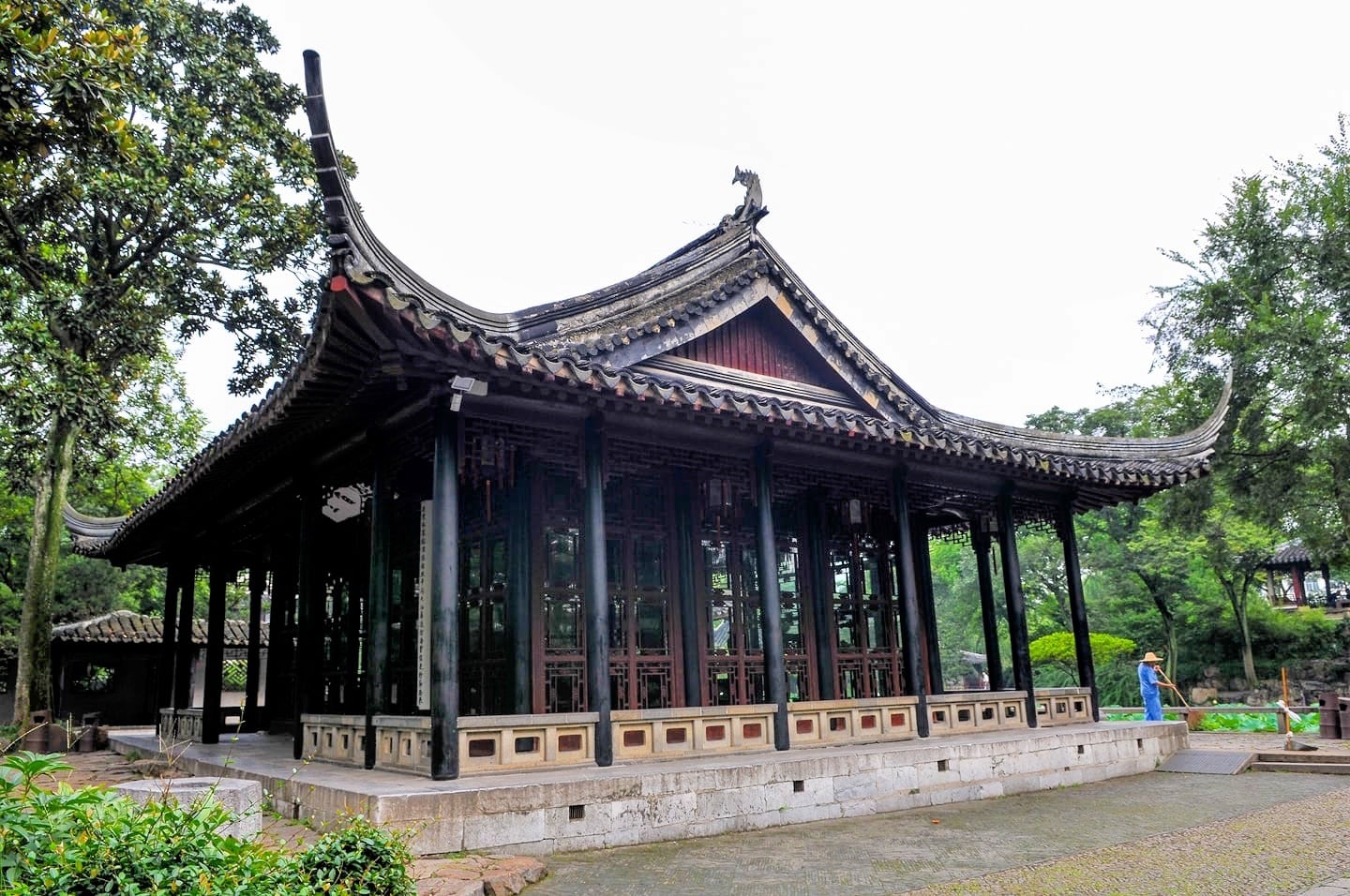
The Humble Administrator’s Garden is the largest and most popular garden in Suzhou and is anything but humble.
With origins dating back to the 16th century, it is also frequently considered the finest garden in Southern China.
For whatever reason (call it ignorance) neither Lori nor I expected to find anything on the level or scale of these gardens. They are absolutely incredible. To say we were pleasantly surprised with this discovery would be an understatement.
🔥 HOT TIP 🔥
Visit the gardens as early as possible!
If you plan to stay in Suzhou a few days, visit the Humble Administrator’s Garden and the Master of the Nets Garden each on separate days, and be at the gate when they open.
Crowds are VERY manageable first thing in the morning, but can get ridiculous after just an hour.
If you plan to visit in the summer, seeing the gardens first thing in the morning will ensure that you’re also visiting during the coolest time of day, as it can get bloody hot in Suzhou in July and August.
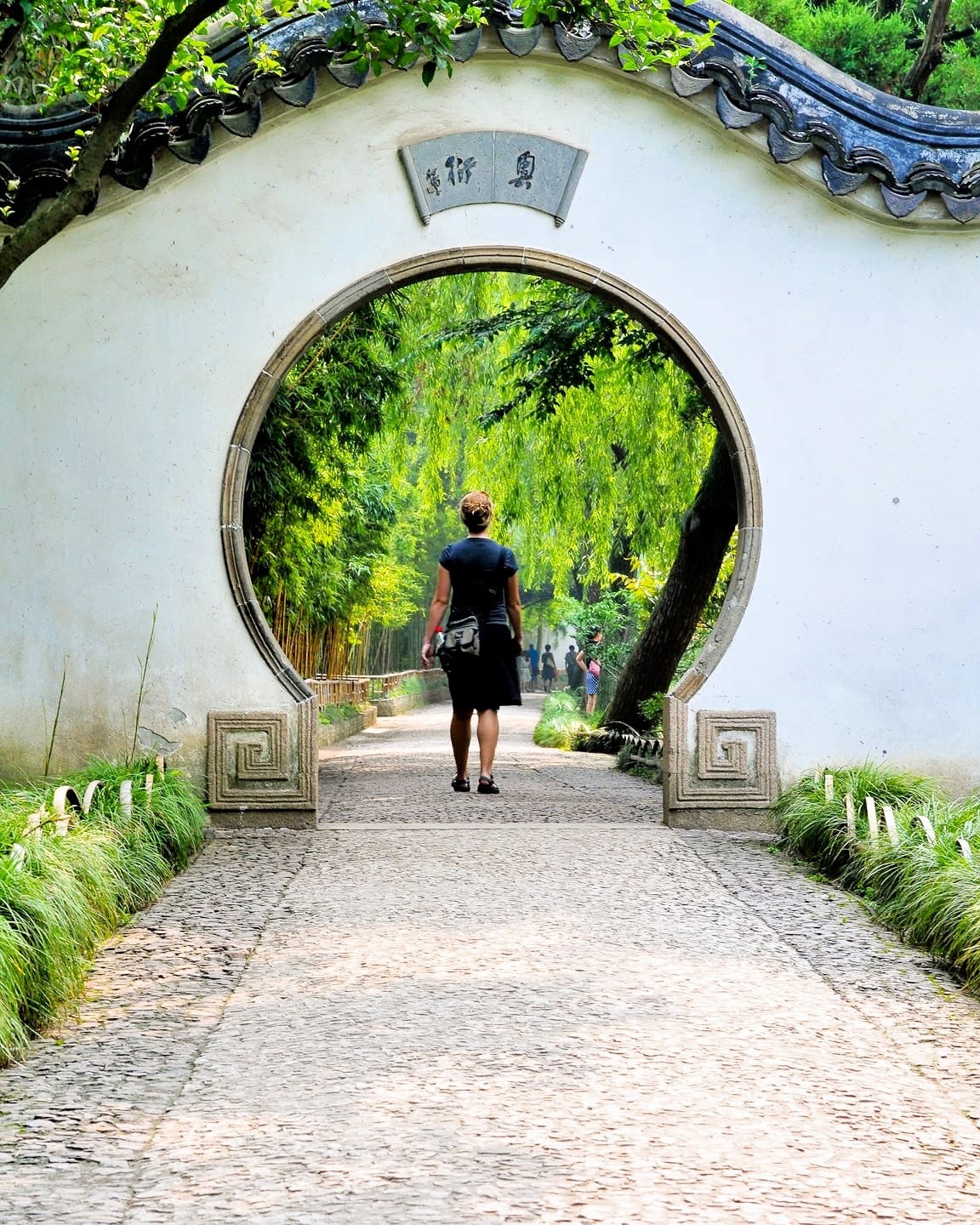
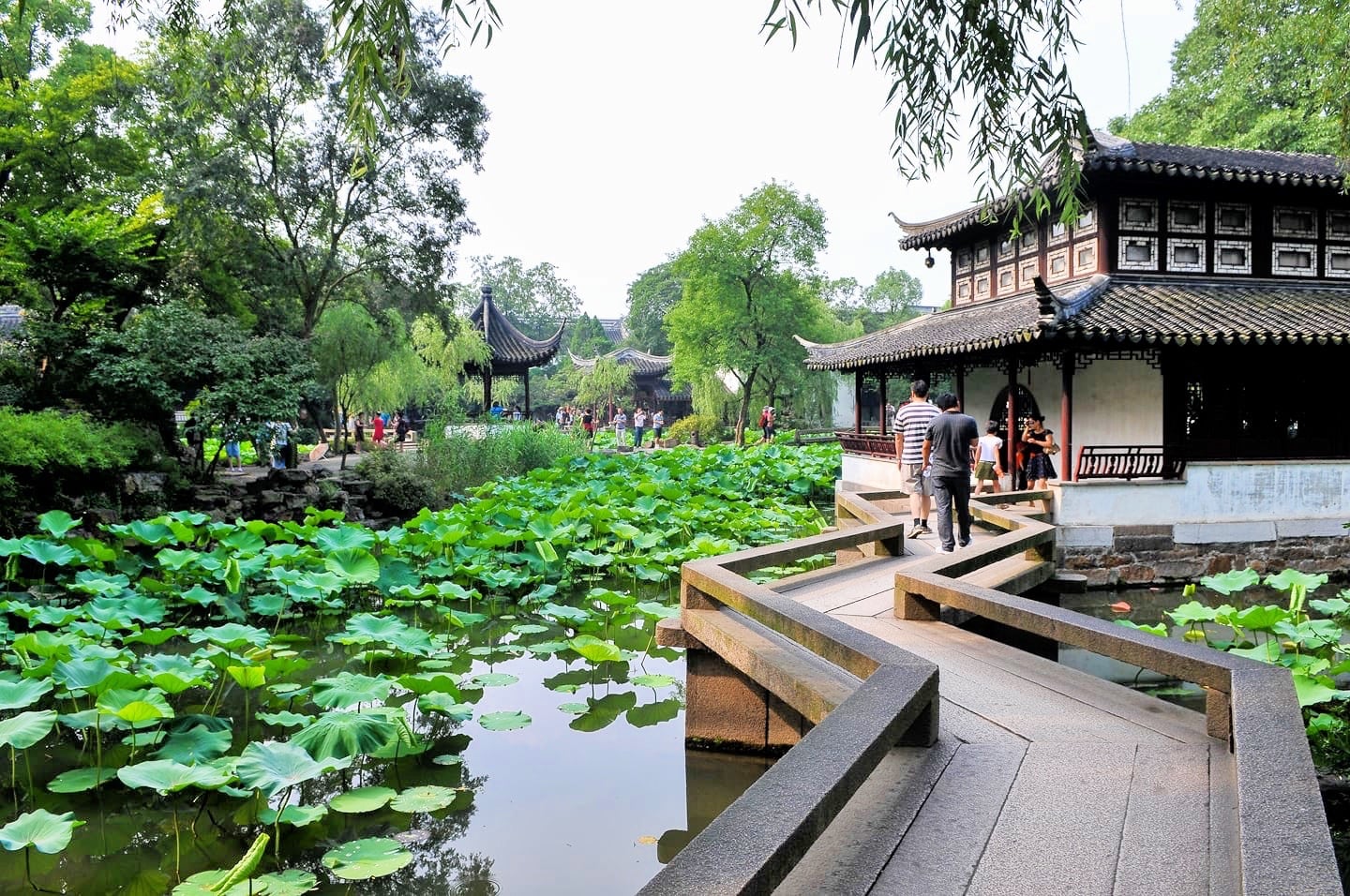
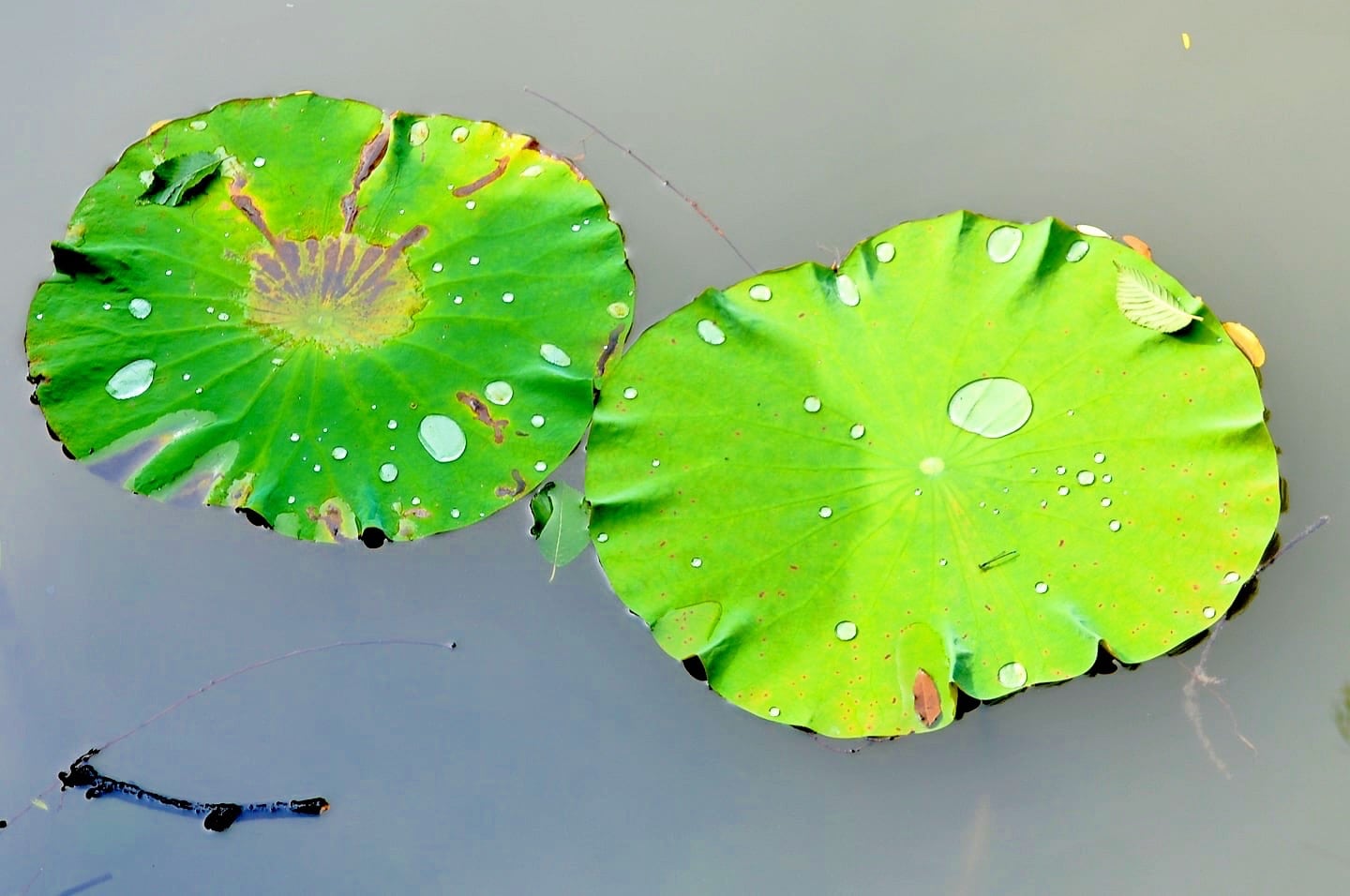
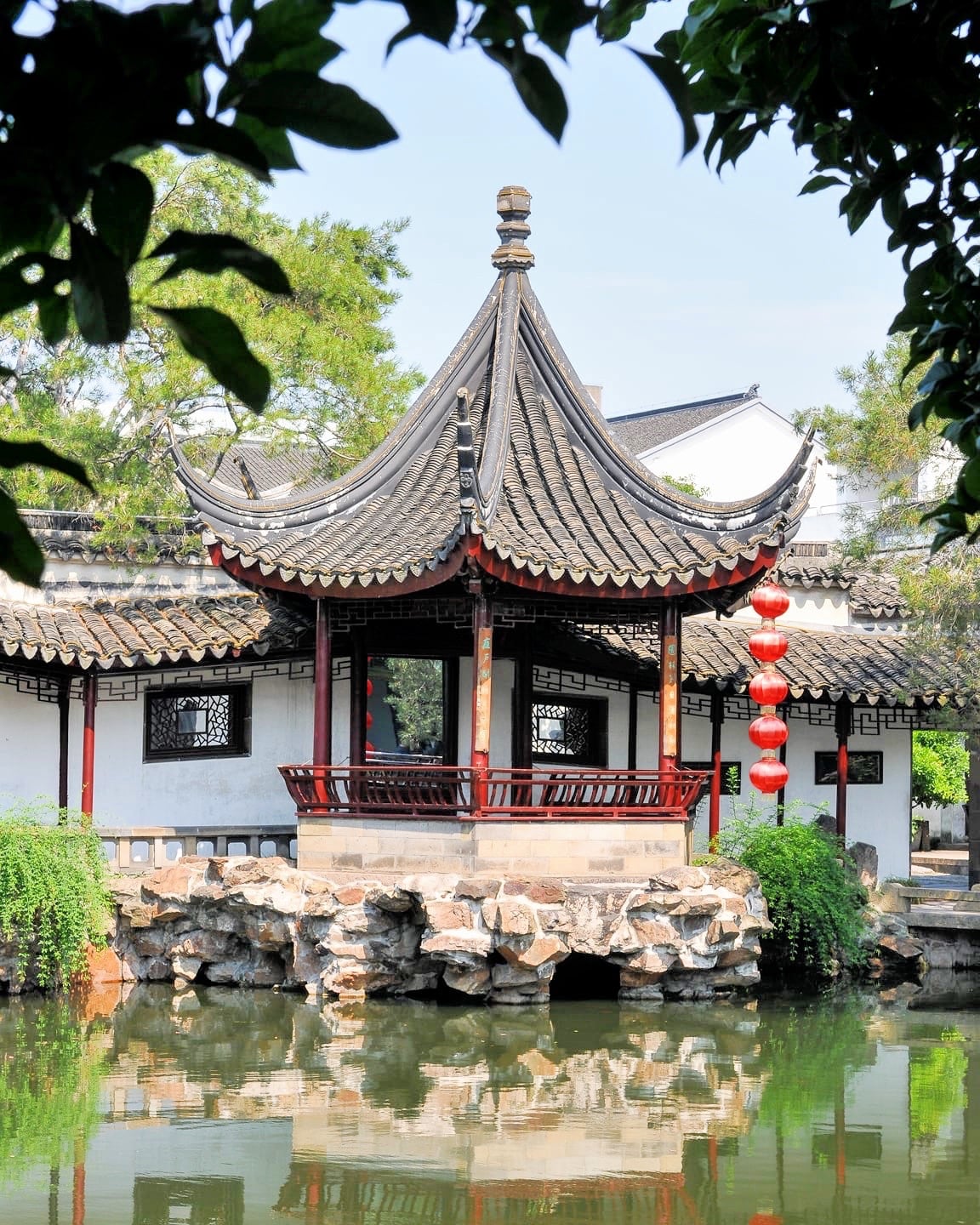
Master of the Nets Garden
(Pinyin: Wǎngshī Yuán | Chinese: 网师园)
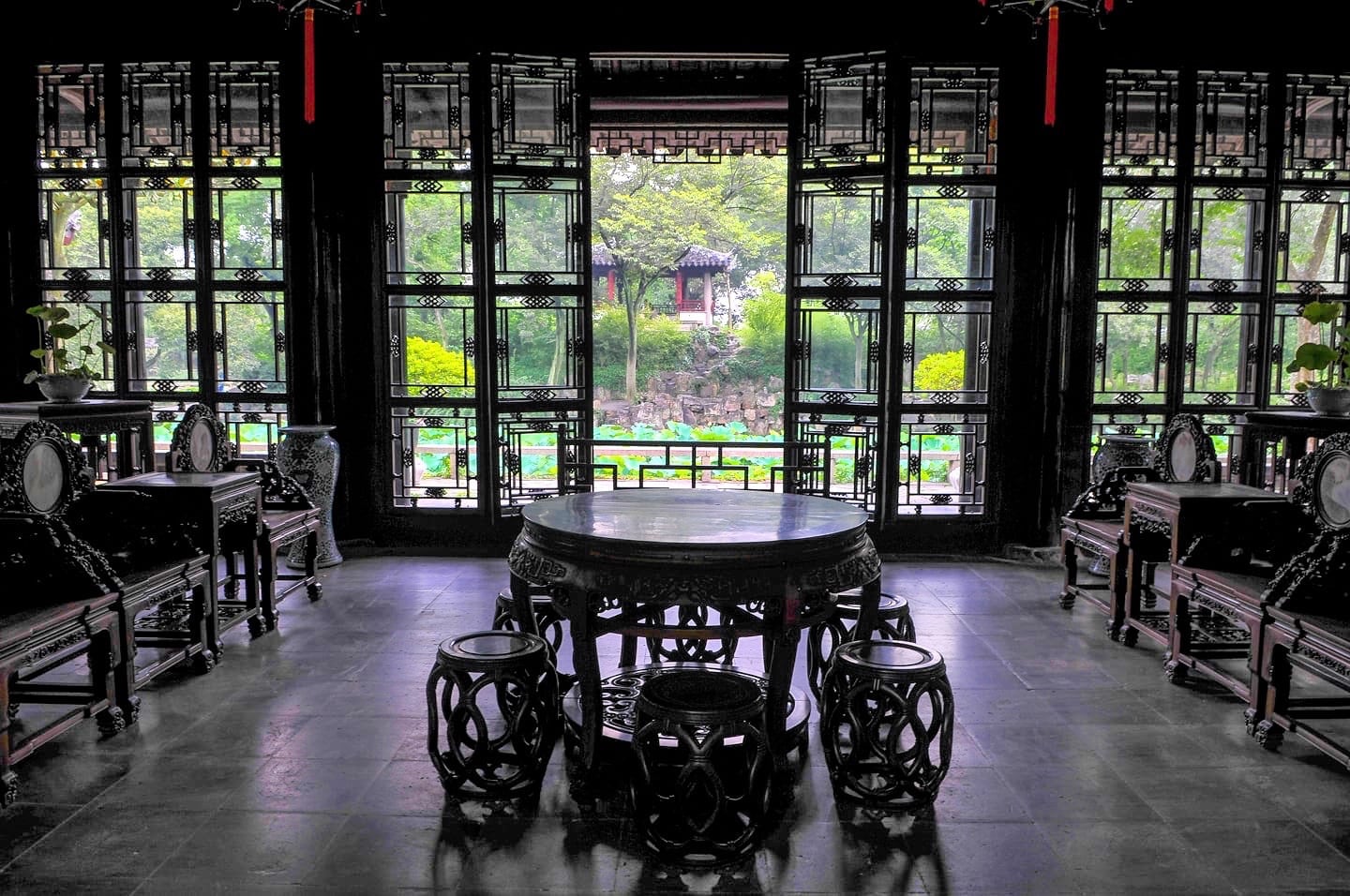
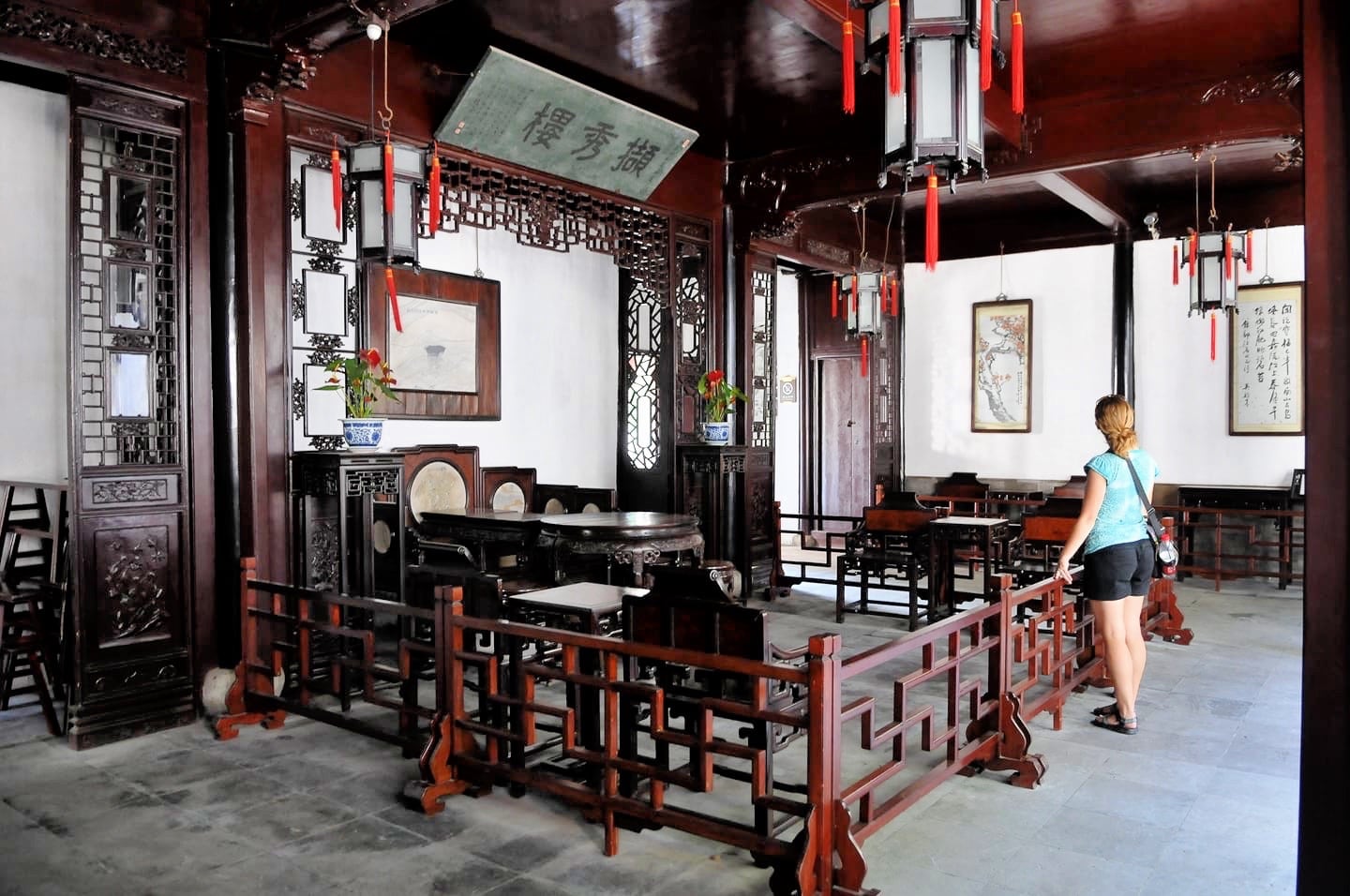
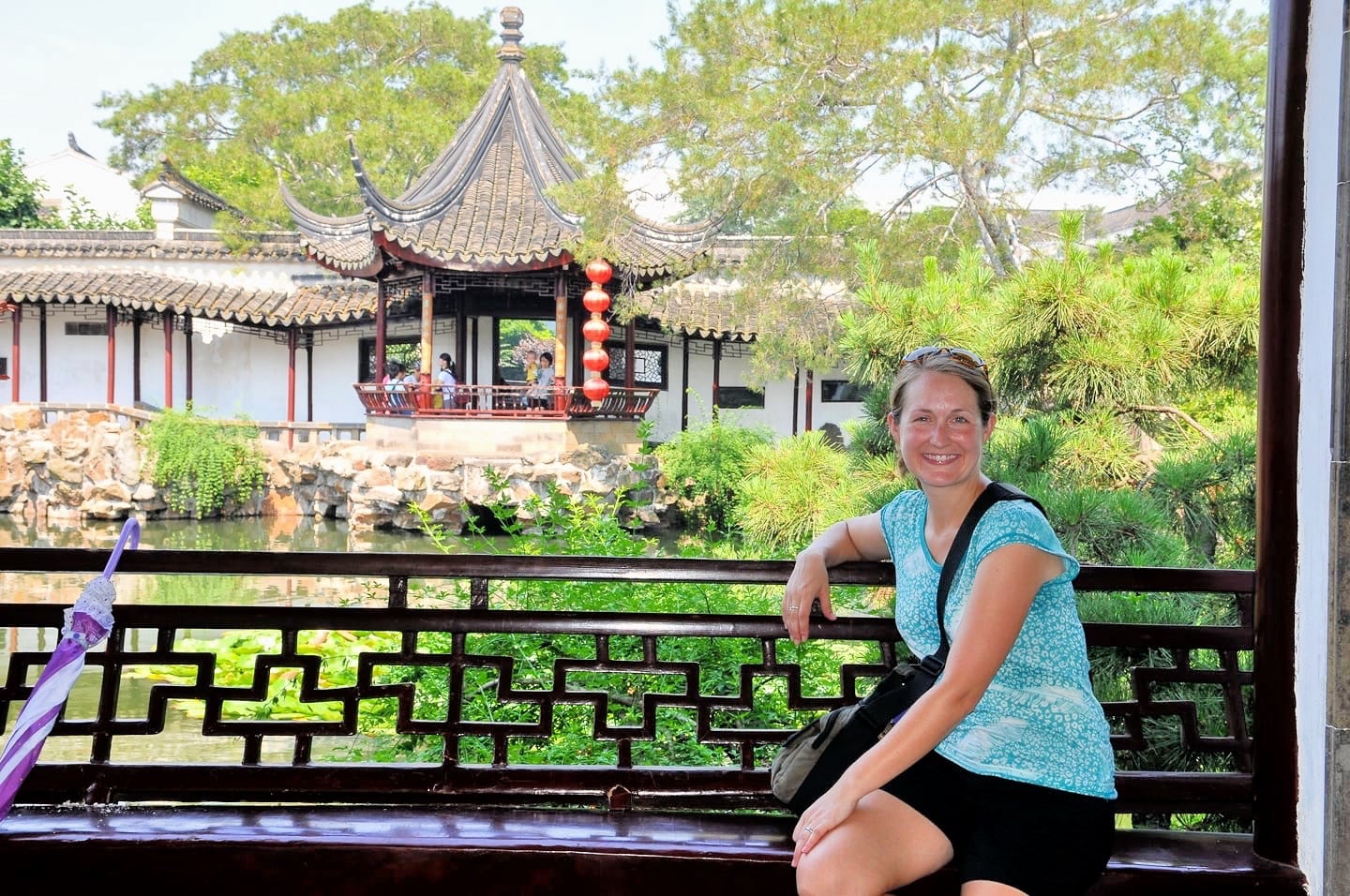
We’re not going to dive into all the details of this next one. If you’re keen on seeing more than one garden, head here and enjoy discovering it yourself (or with a guide).
I think that the images of the gardens speak louder than words, anyways.
③ Visit Suzhou’s Ancient Pagodas
Panmen Scenic Area + Ruiguang Pagoda
(Pinyin: Pán Mén | Chinese: 盘门)
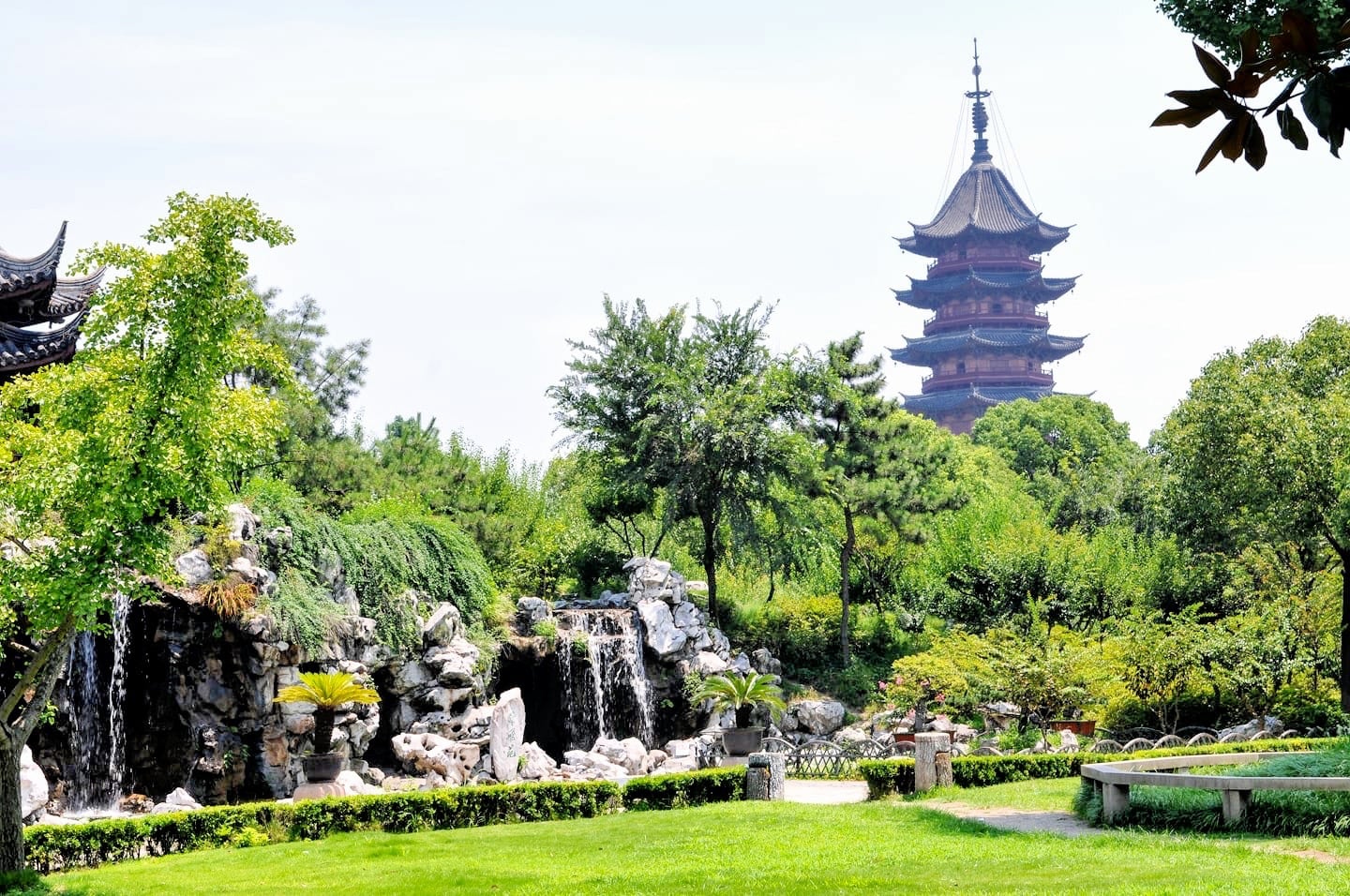
The Panmen complex is located about 3 km southwest of Pingjiang historic district and is known for its huge Ruiguang pagoda, Wu Gate Bridge and Pan City Gate.
While a bit more difficult to get to from the Pingjiang area, the Panmen complex is a must-see Suzhou attraction and should not be missed. It was one of the highlights of our visit and is consistently rated among the best things to do in Suzhou.
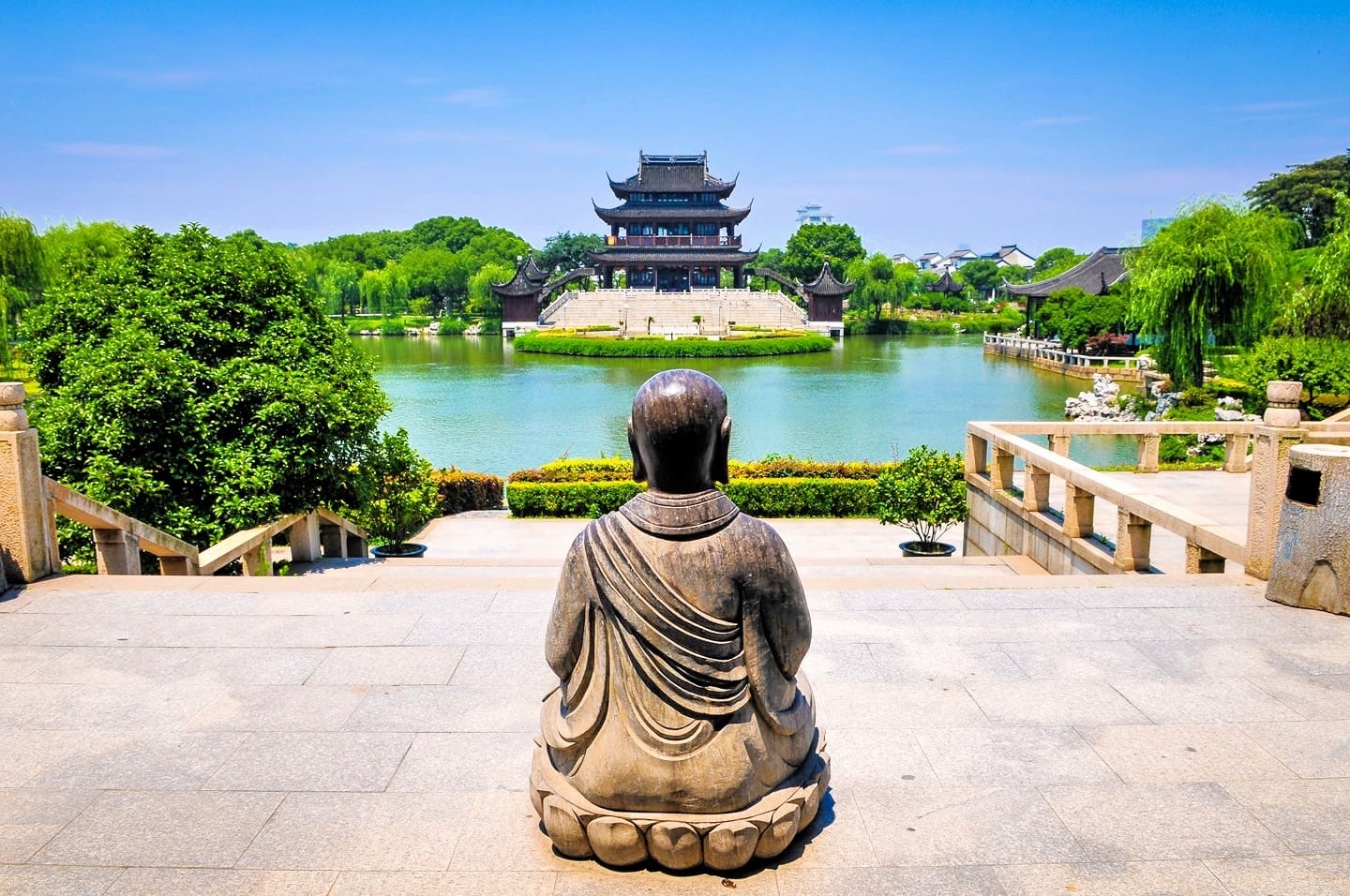
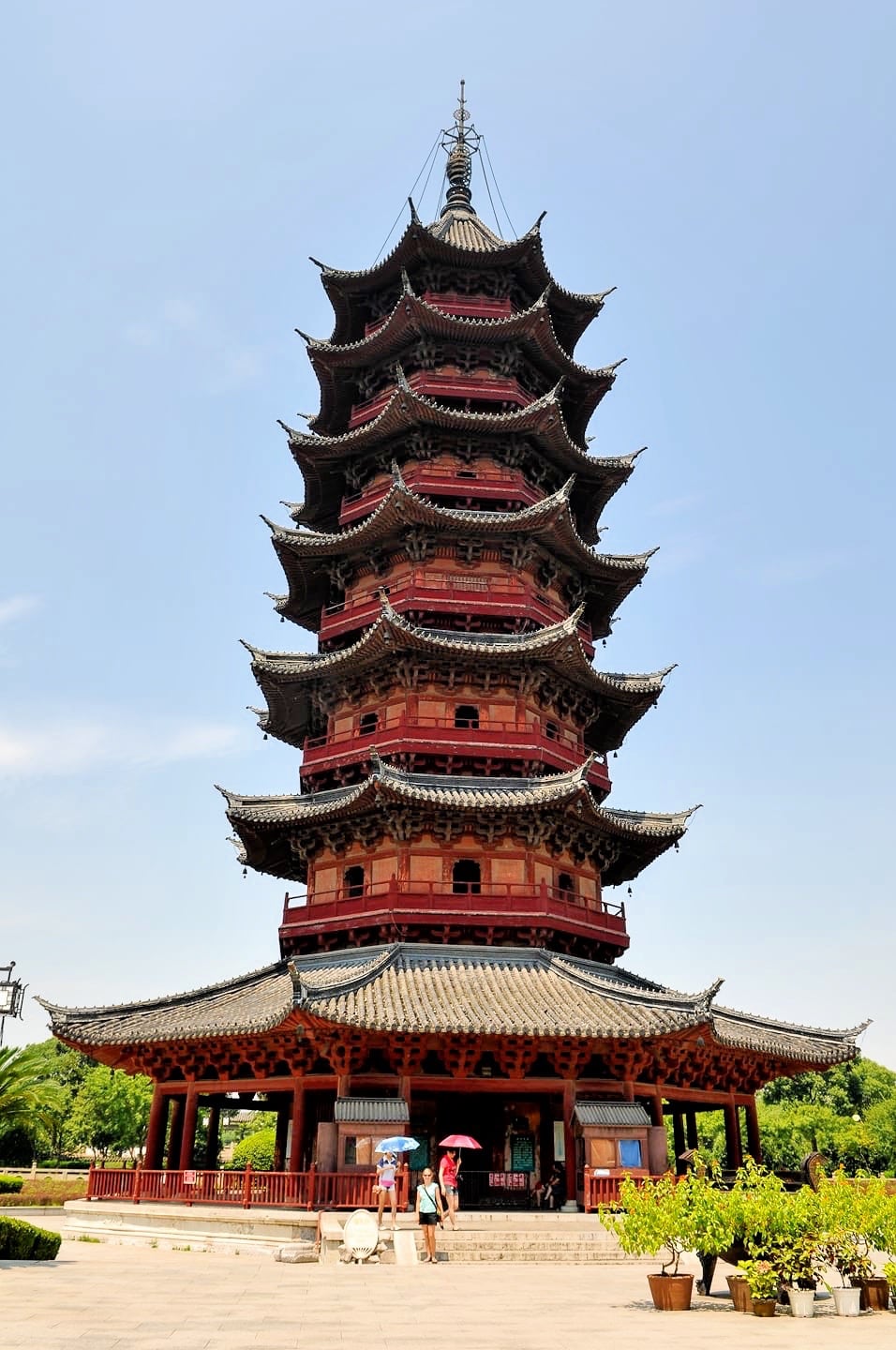
There’s lots to see and do in the Panmen complex, making the trip across Old Town very much worth the effort.
Our favorite part of the complex was the stunning seven-story Ruiguang Pagoda. Constructed in 247, it is the oldest pagoda in Suzhou.
For a small fee you can even ascend the pagoda to the 4th floor for awesome views of new and old Suzhou.
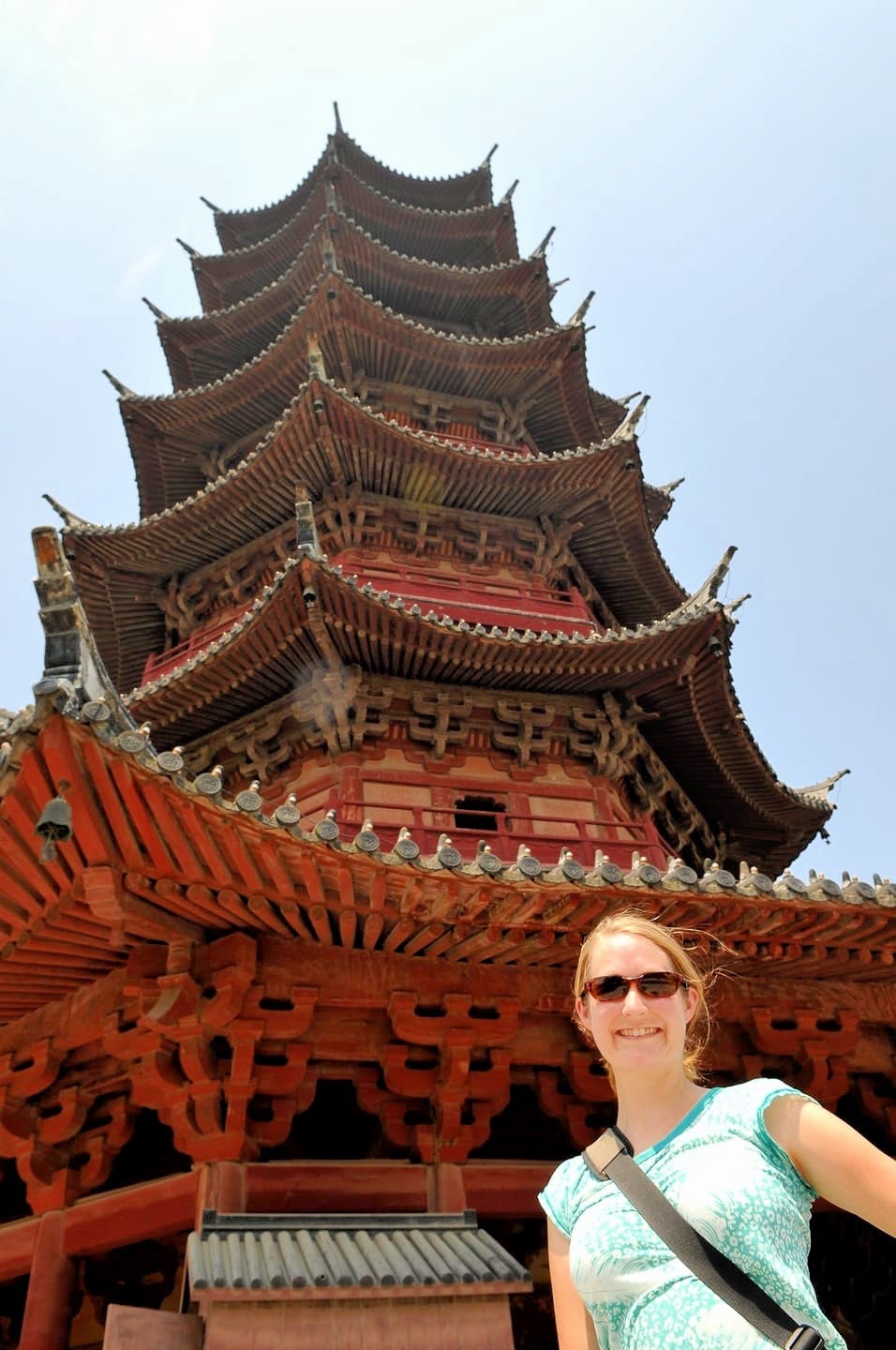
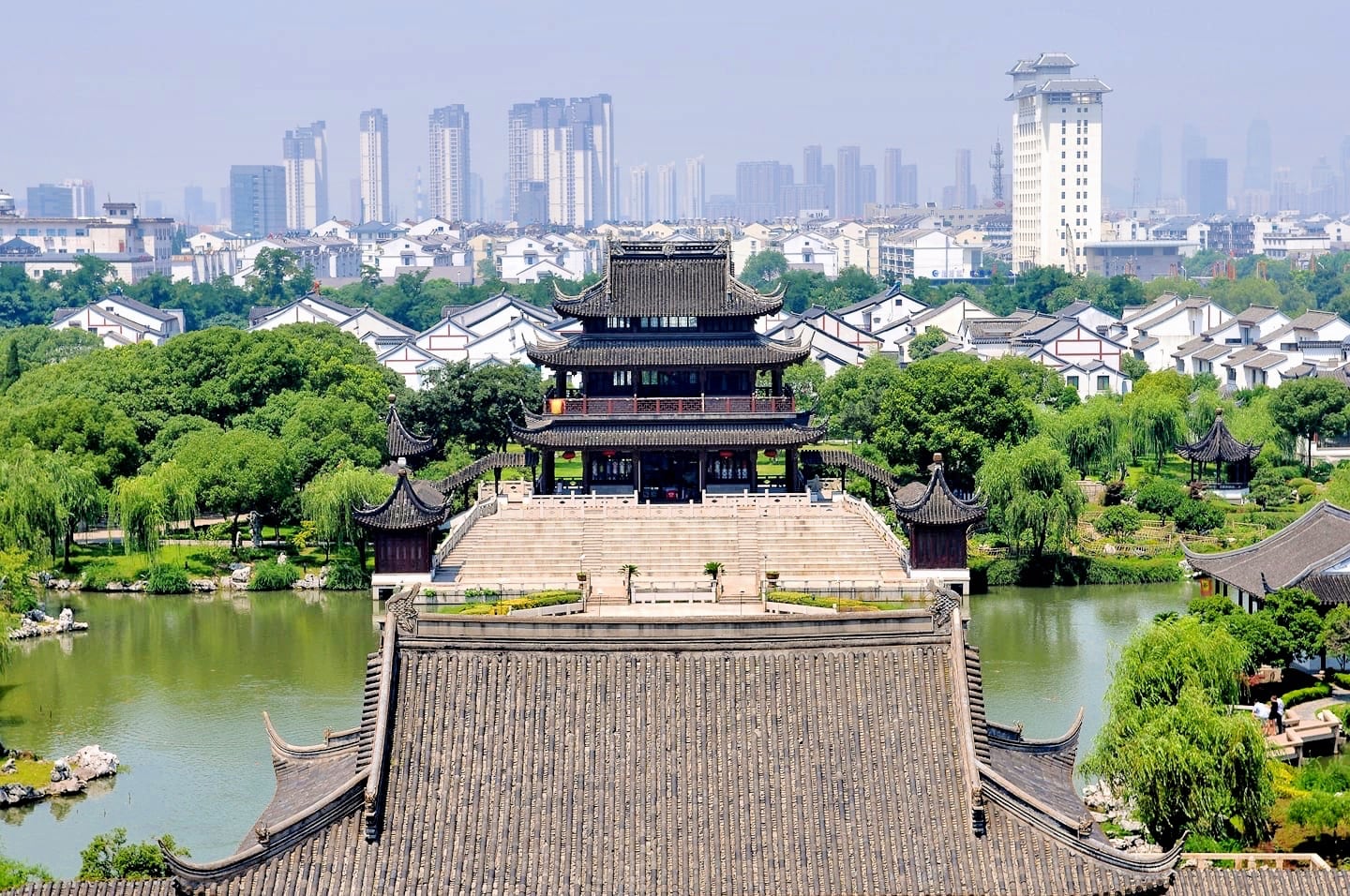
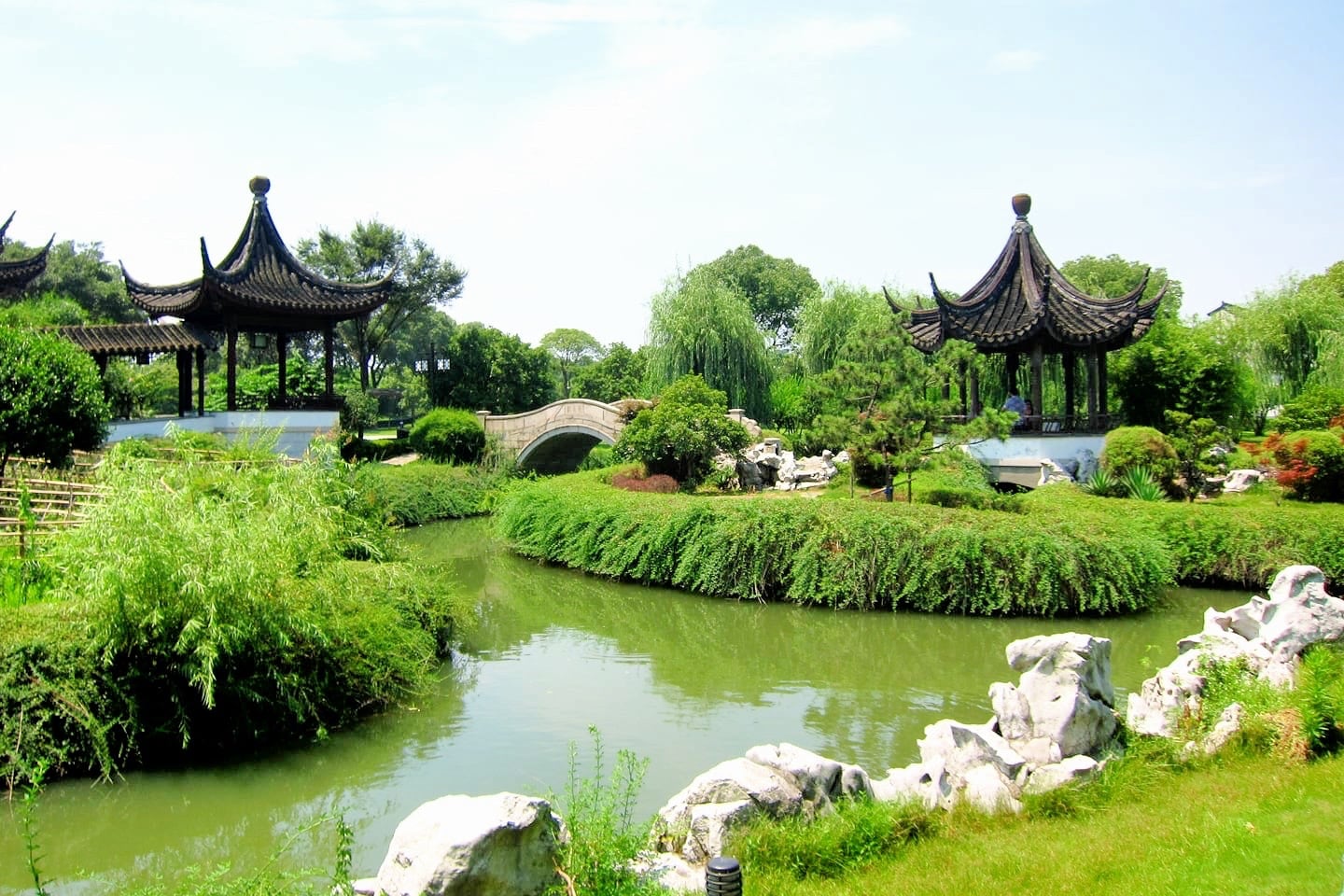
The grounds of the Panmen complex are landscaped in the classical style, integrating numerous water features.
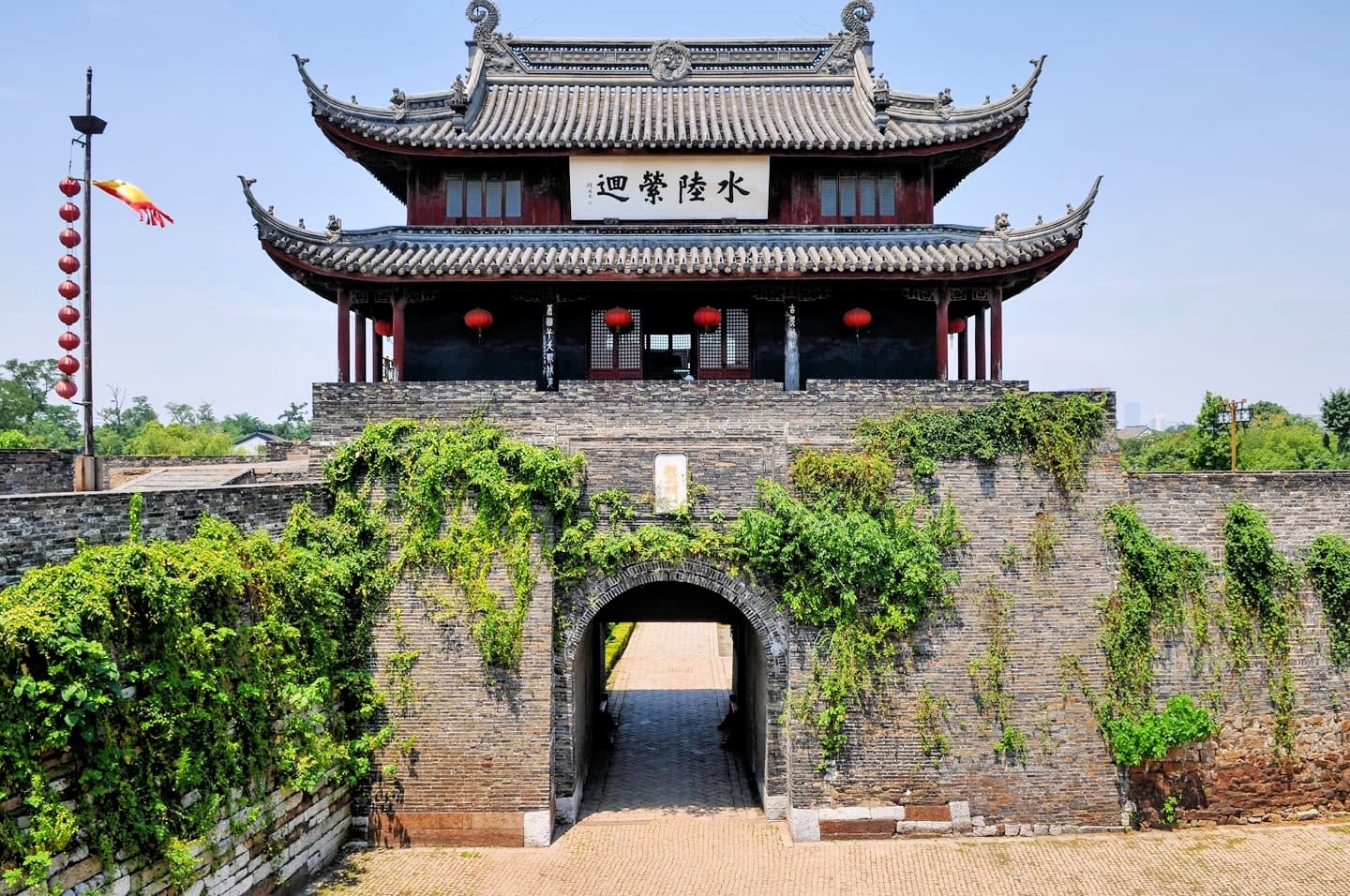
Pan Gate is part of the city wall that surrounded ancient Suzhou. It was constructed about 2,500 years ago and is commonly referred to as the “Land and Water Gate”. The present structure that sits atop the stone gate dates to the 14th century.
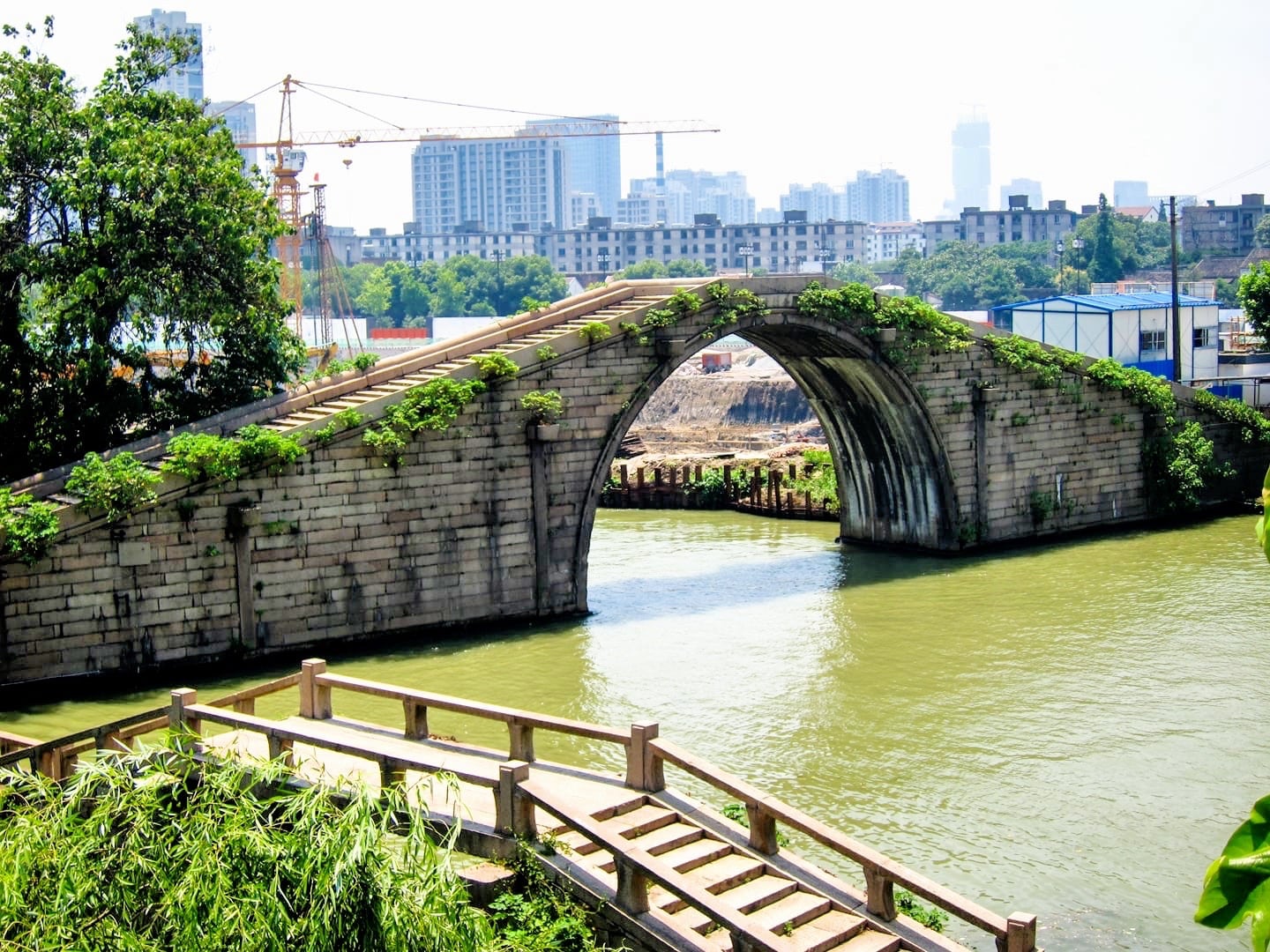
Wu Gate Bridge is part of the ancient Land and Water Gate.
Tiger Hill + Yunyang Pagoda
Tiger Hill (Hǔqiū) is another one of Suzhou’s most famous historic sites, encapsulating more than 2,500 years of history. The site combines legends, ancient structures, and gardens in a compact area.
Perhaps the most recognizable landmark is the Yunyan (Leaning) Pagoda, a 1,000-year-old brick tower that tilts (noticeably!), earning it the nickname “the Leaning Tower of China.”
It’s also a bit removed from the city’s other attractions, but well worth the effort to reach, in our opinion.
④ Old Town Night Stalls
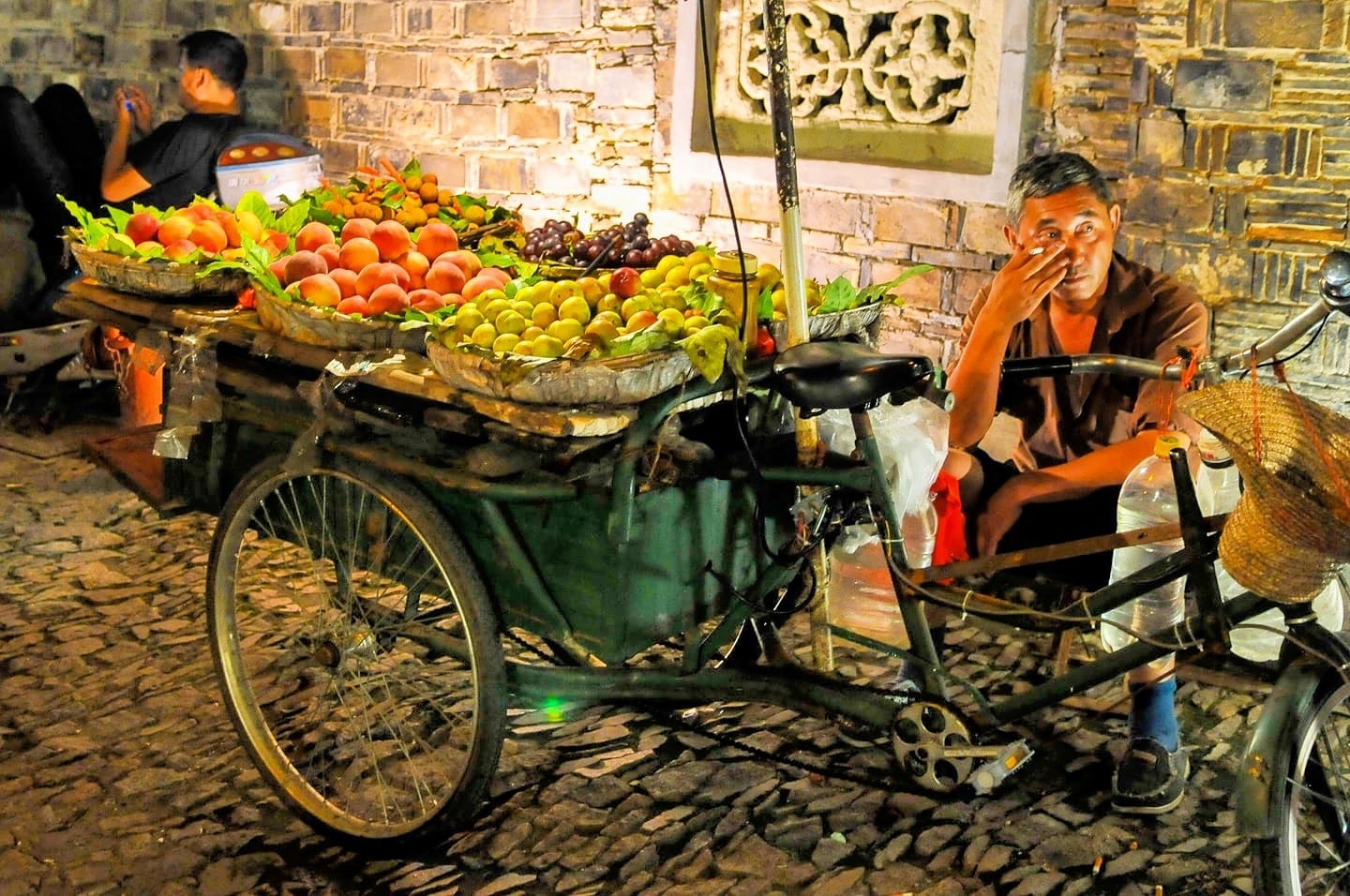
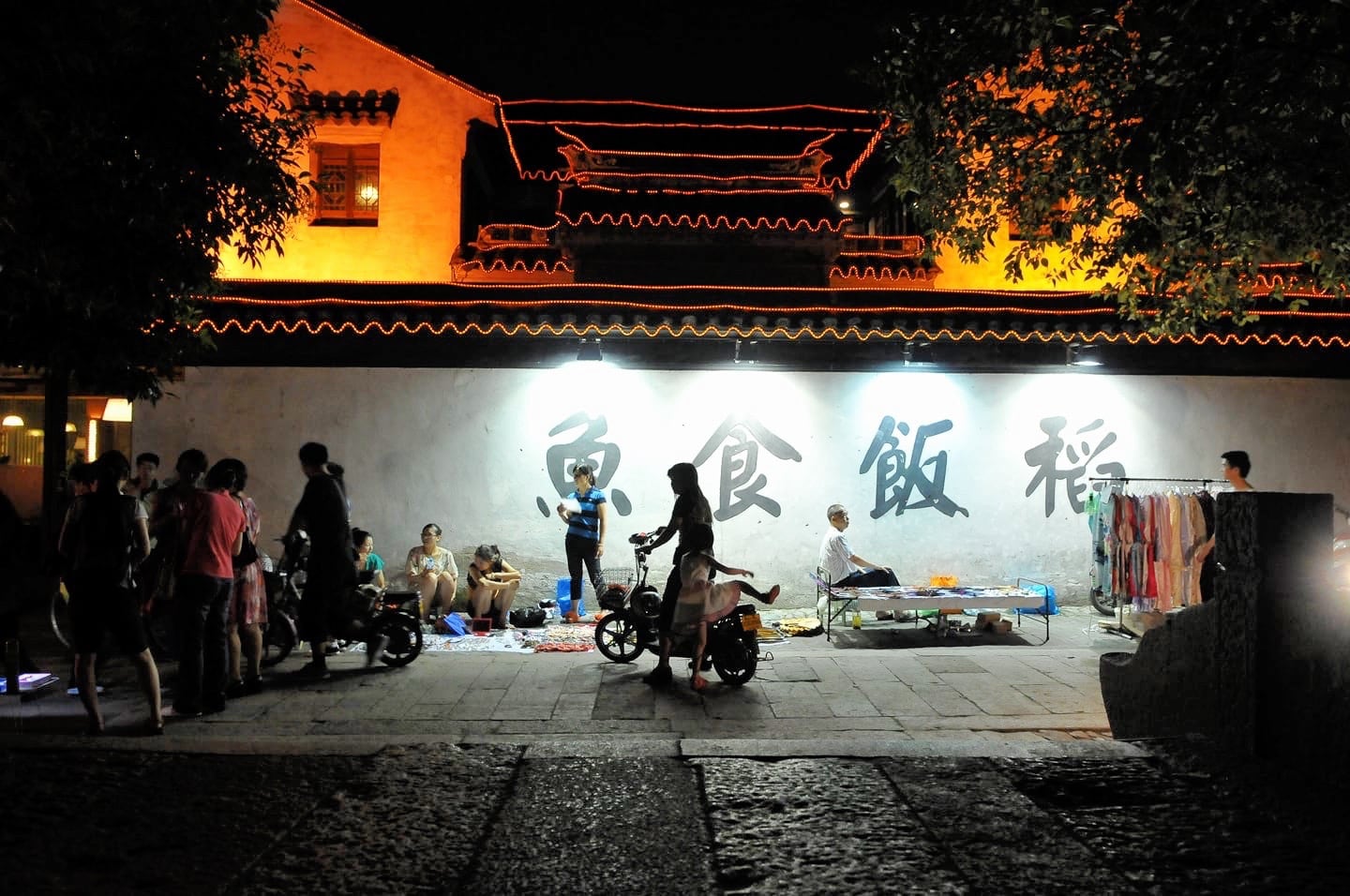
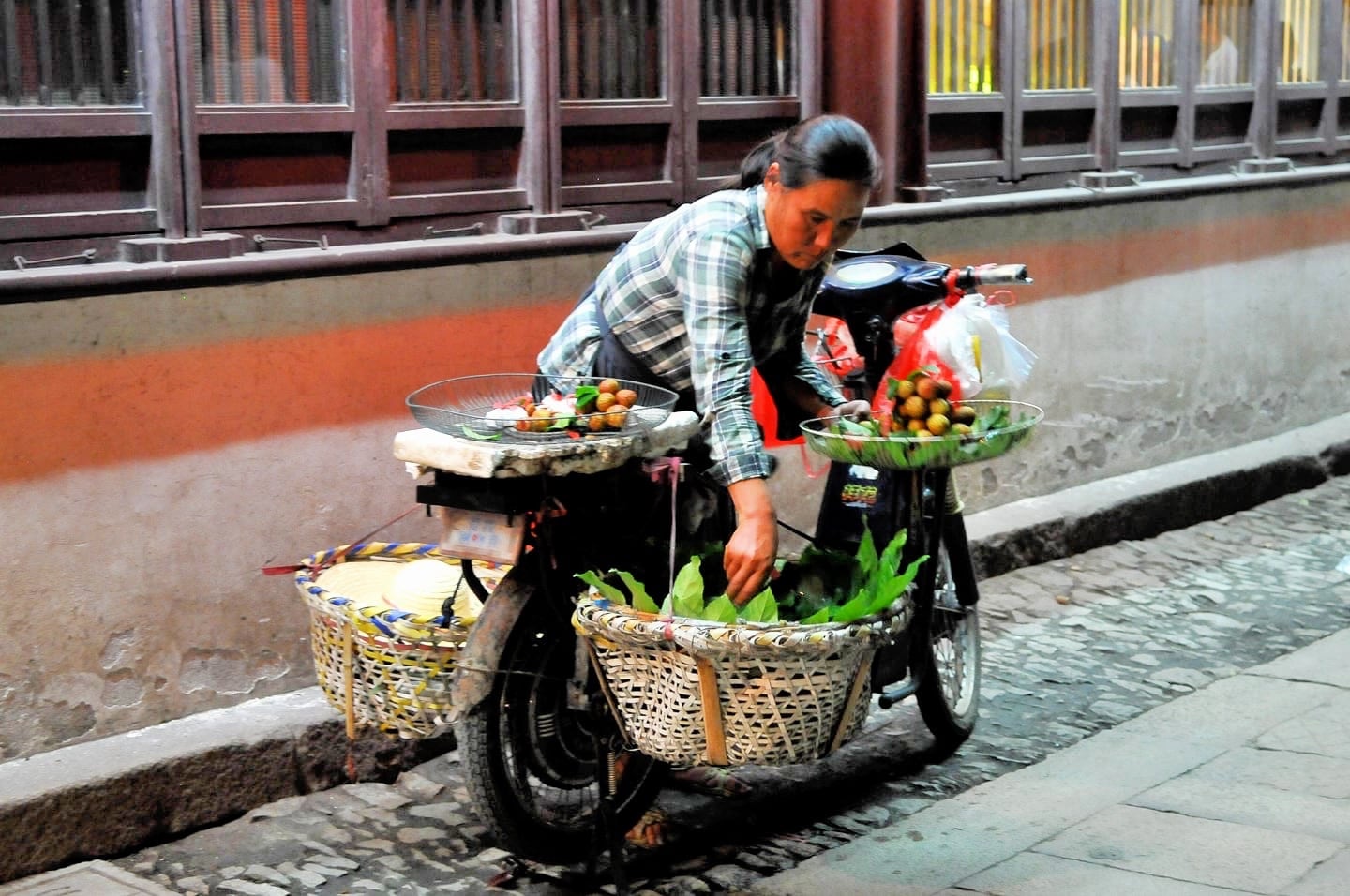
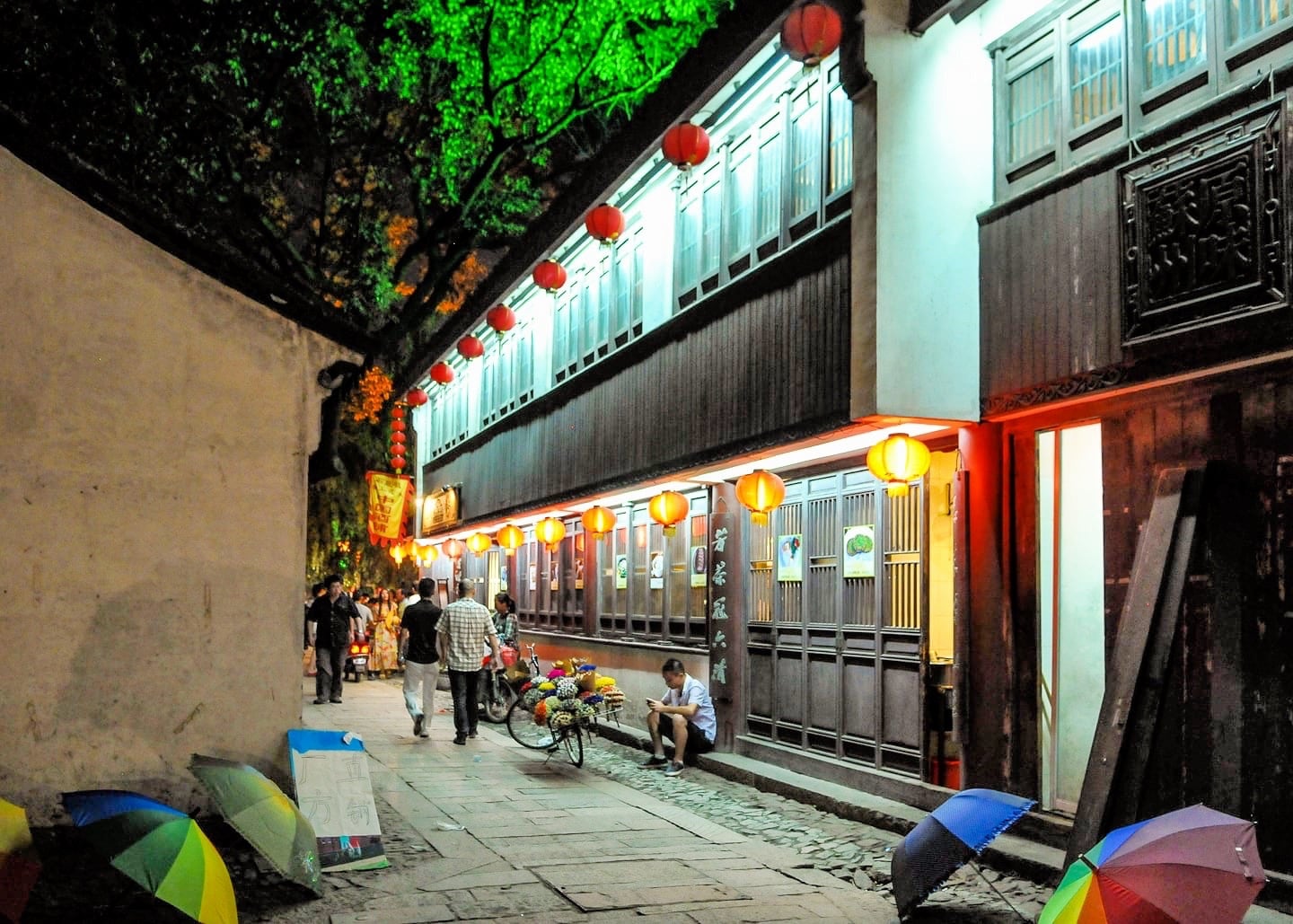
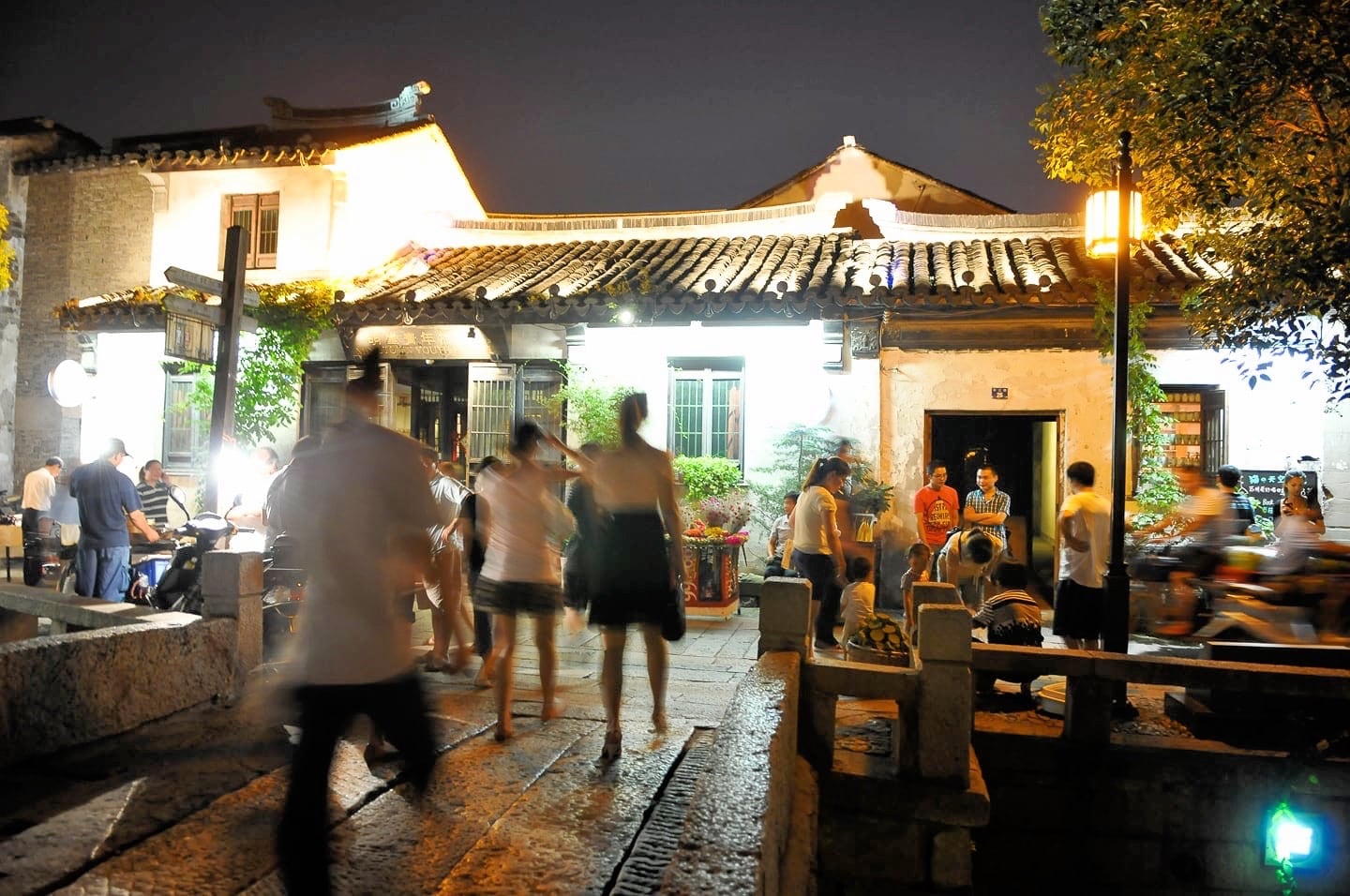
Old Suzhou’s bustling night stalls delight with their colors, tastes, and energy. Visiting Suzhou? Strolling Pingjiang and Shantang Road at night is a must!
Suzhou at night came as a very pleasant surprise. The old town is beautiful by day of course, but we had no idea what was in store for us when we emerged from our air-conditioned oasis after the sun had gone down.
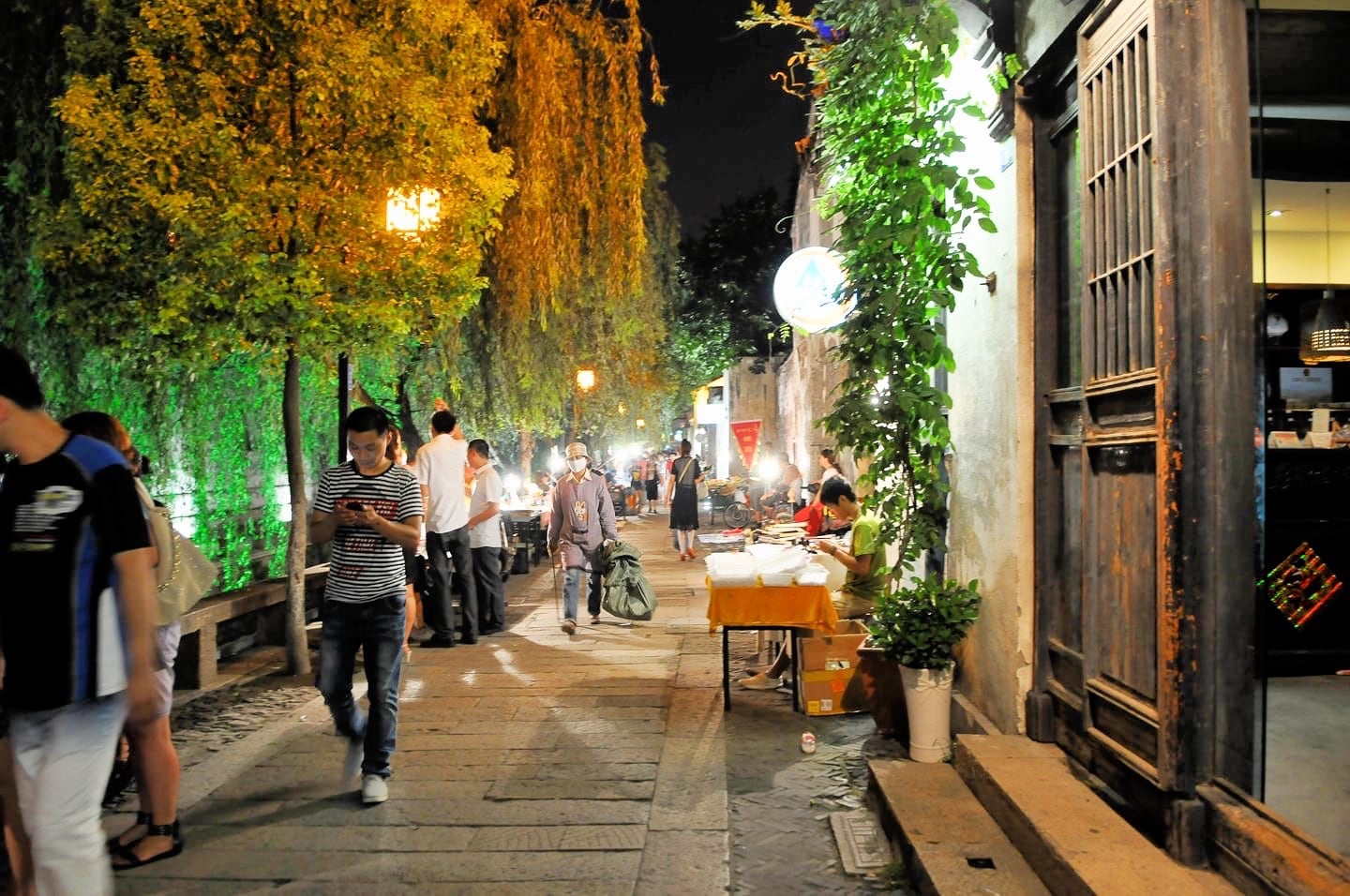
This particular evening, the humidity remained high but temperatures had dropped making an outdoor stroll very pleasant.
It was wonderful to see local life happening in the streets of this ancient town and you really do get a sense that this is indeed a real living, breathing community with or without the tourists, even if tourism accounts for a good portion of residents’ livelihood in this part of town.
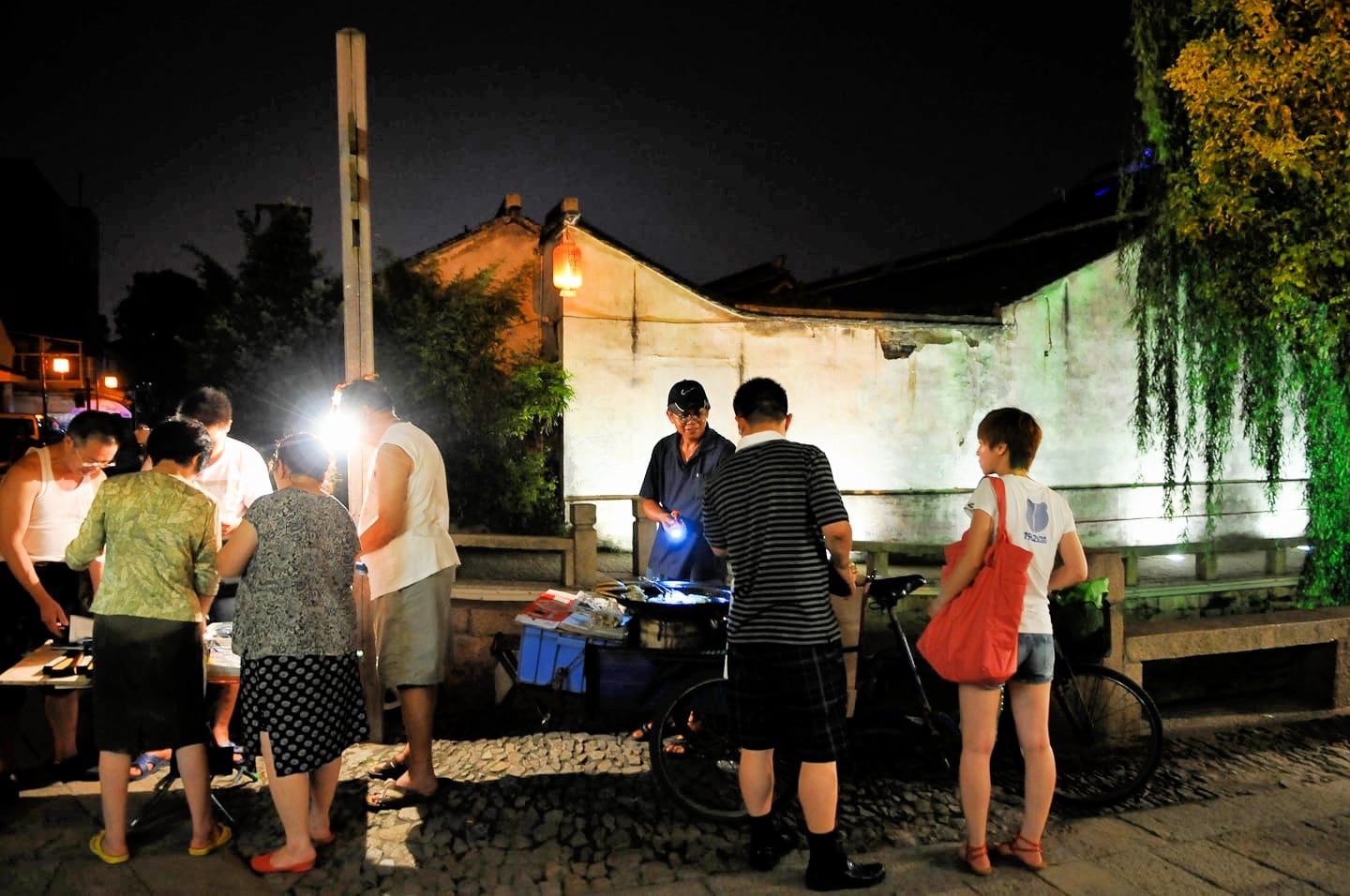
Food prices in China for travelers are not the cheapest in East Asia. But fresh, hot street food at these sorts of night markets seems to be a pretty good bet for getting inexpensive, tasty, and relatively safe evening fare.
The two of us filled up for about US$5. We carried our dinner across the small stone bridge nearby and perched ourselves on a set of old crumbling stairs overlooking the canal and the night-time activity.
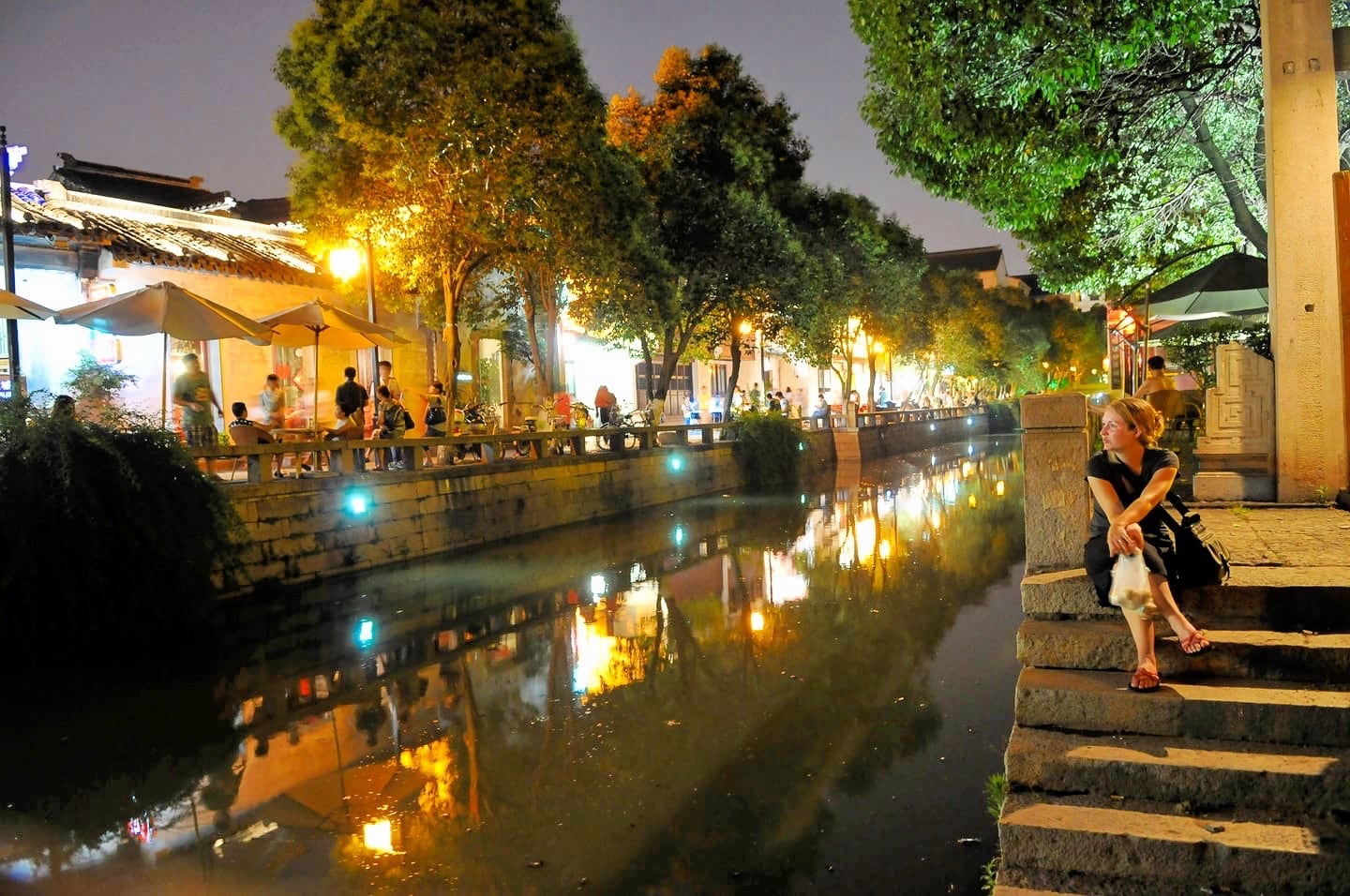
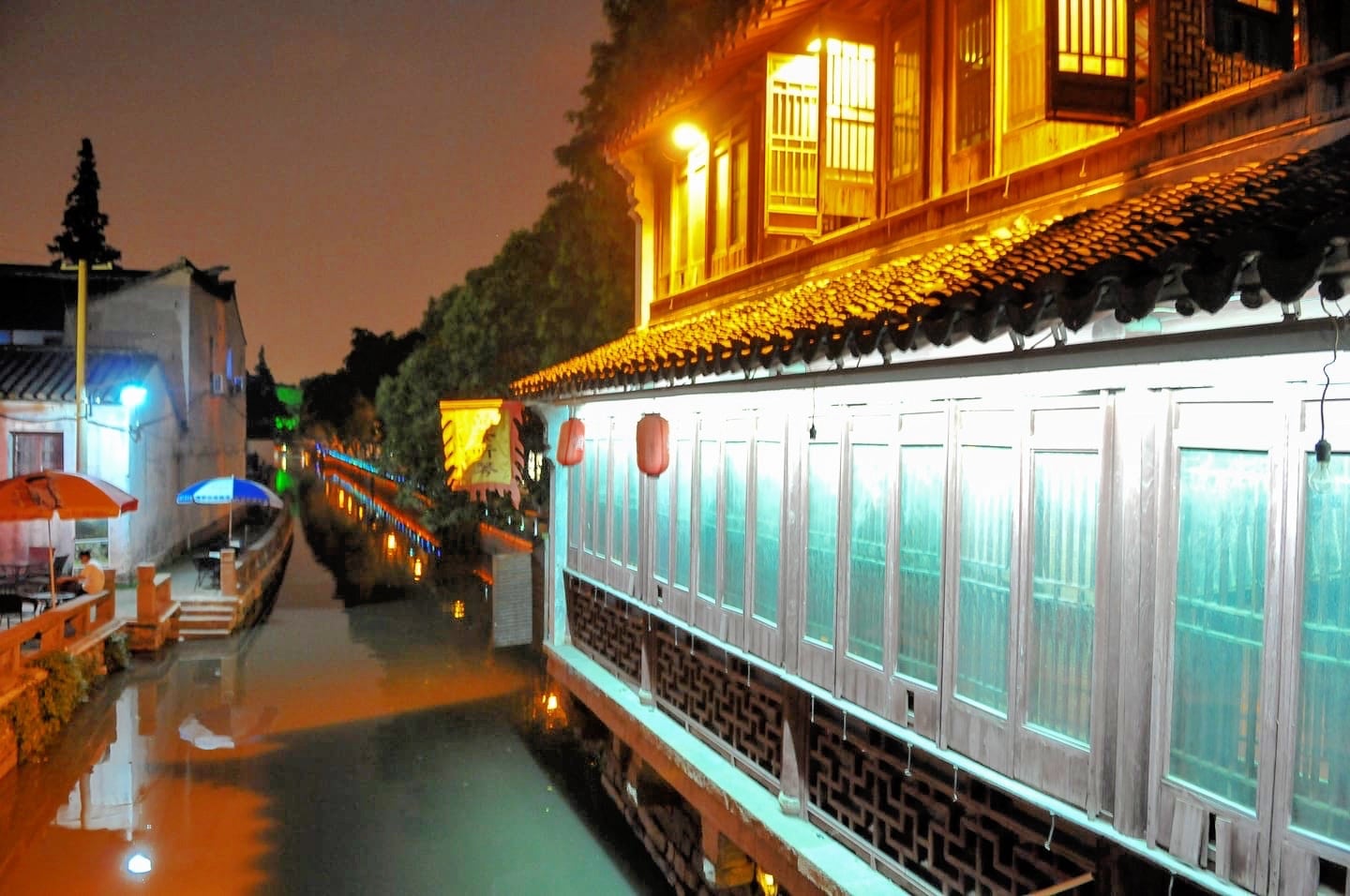
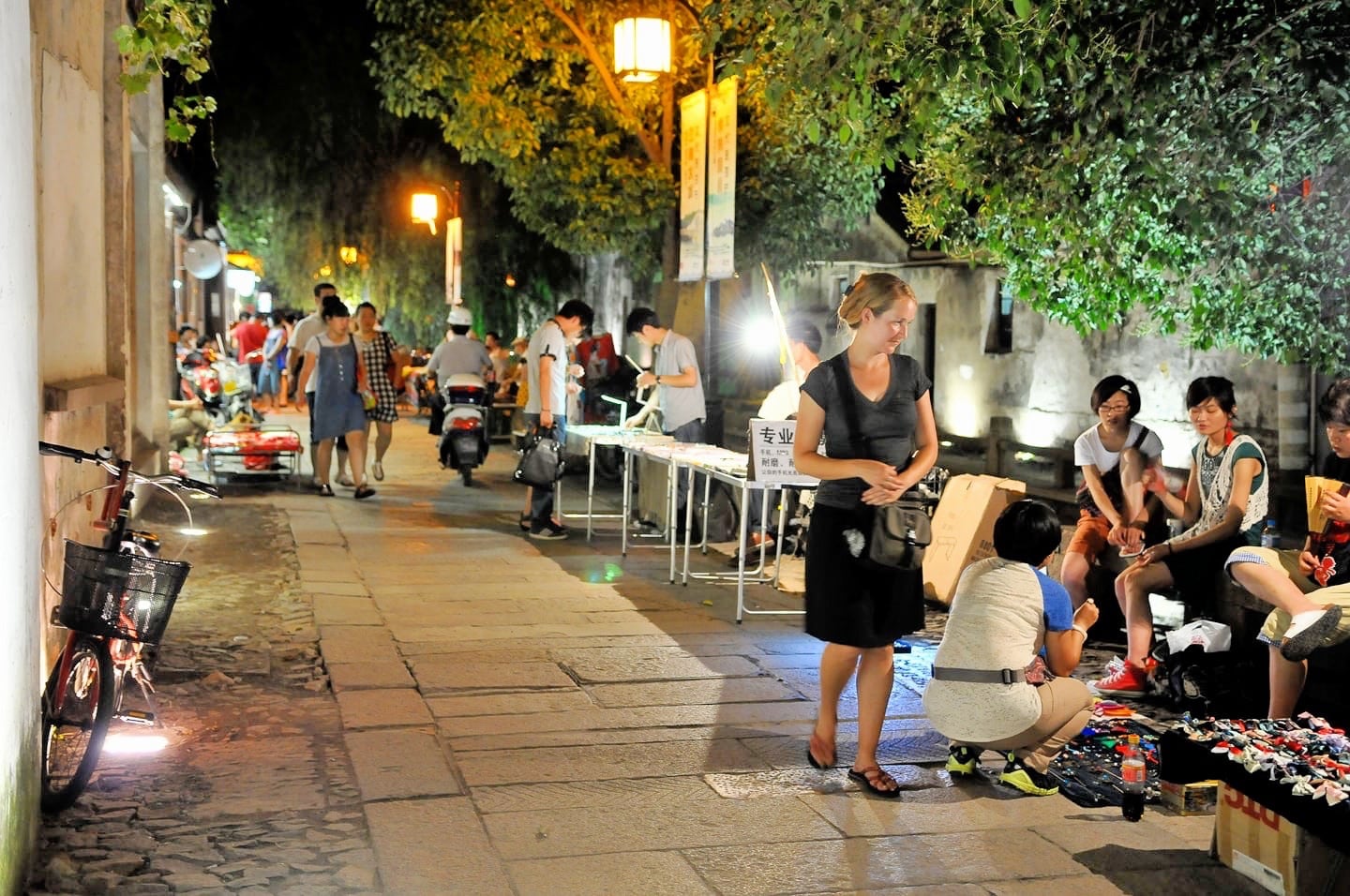
After dinner, we strolled the narrow cobblestone Pingjiang Road, which at this hour had become inundated with vendors and curiosities.
The guy, below, is actually making large custom lollipops before a sea of curious onlookers.
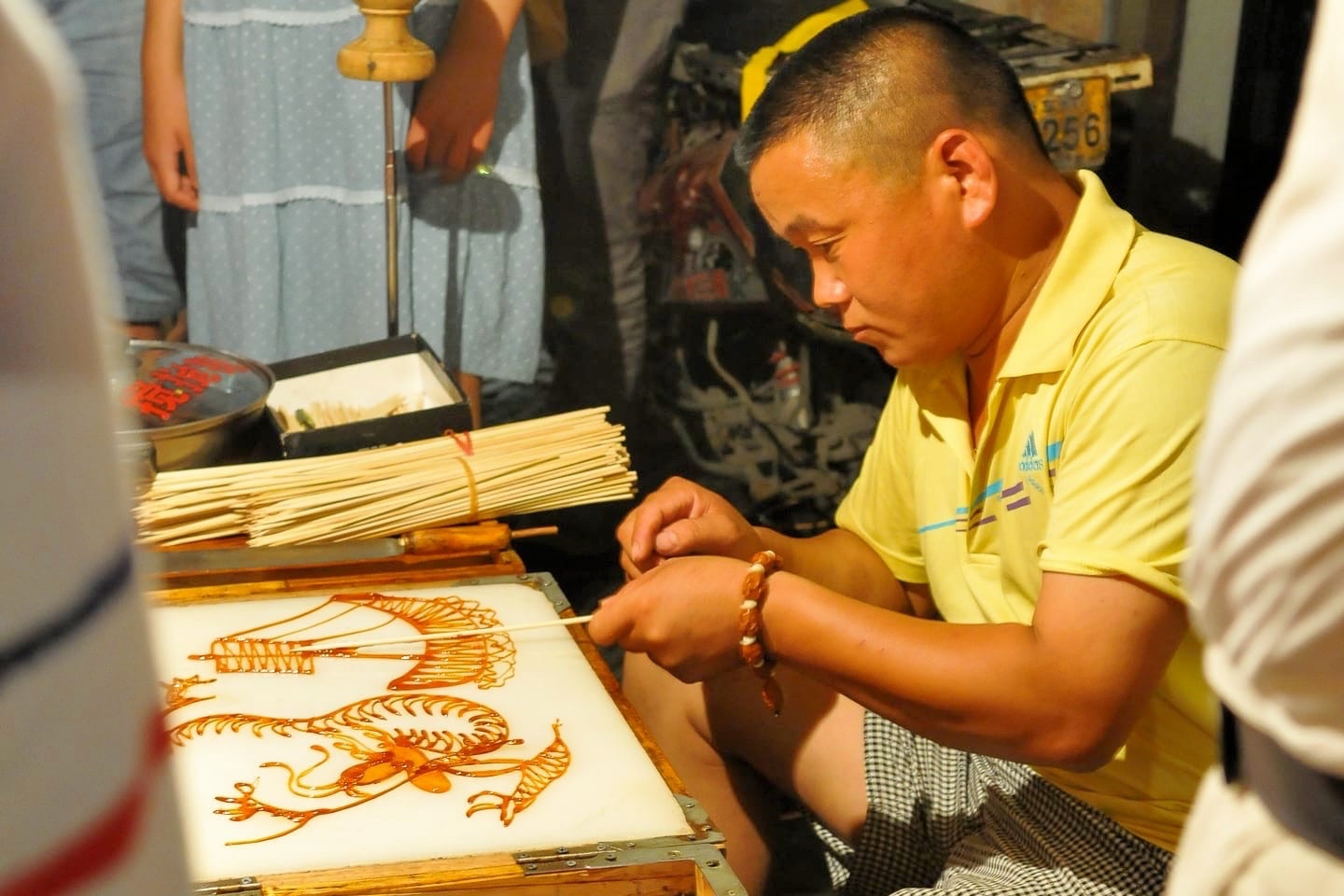
The tedious process involves drawing a design on wax paper using a squirt bottle full of hot liquid that dries quickly and very hard.
When he’s finished “drawing” his creation, he lays a skewer on top before the liquid hardens, then carefully pulls the sucker away from the wax paper and BAM! Instant lolli.
The most fascinating part of the process is watching how quickly and skillfully he squirts out any number of designs.
Hard to tell from the photo, above, but this guy is selling a variety of exotic critters in plastic containers, from spiders to snakes (as he plays on his iPhone with cigarette and live scorpion in hand).
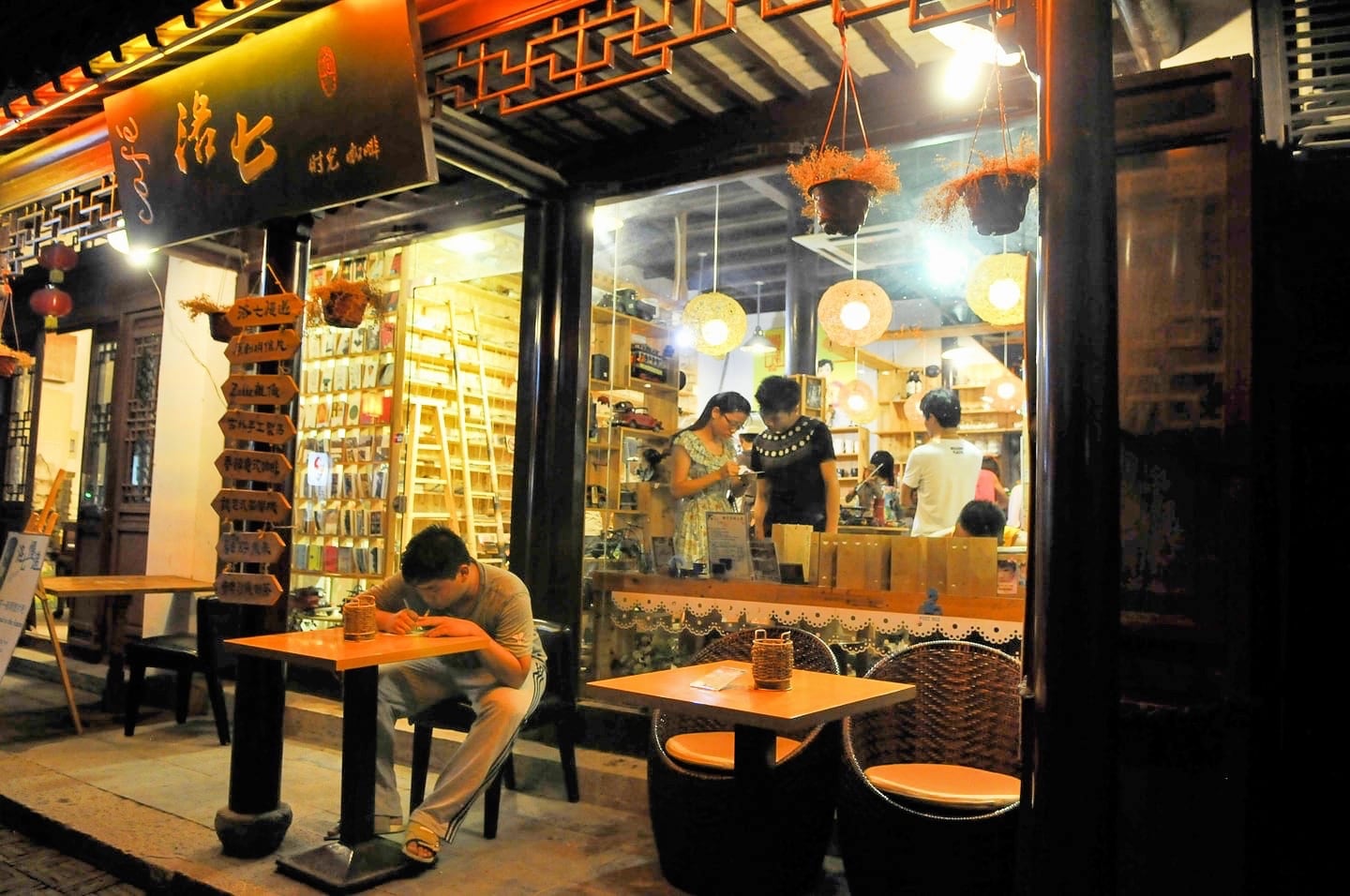
Also ubiquitous in China, the random (and always packed with teens) postcard / birthday card shop.
Young people seem to love to sit for hours and customize their cards before mailing them to their friends.
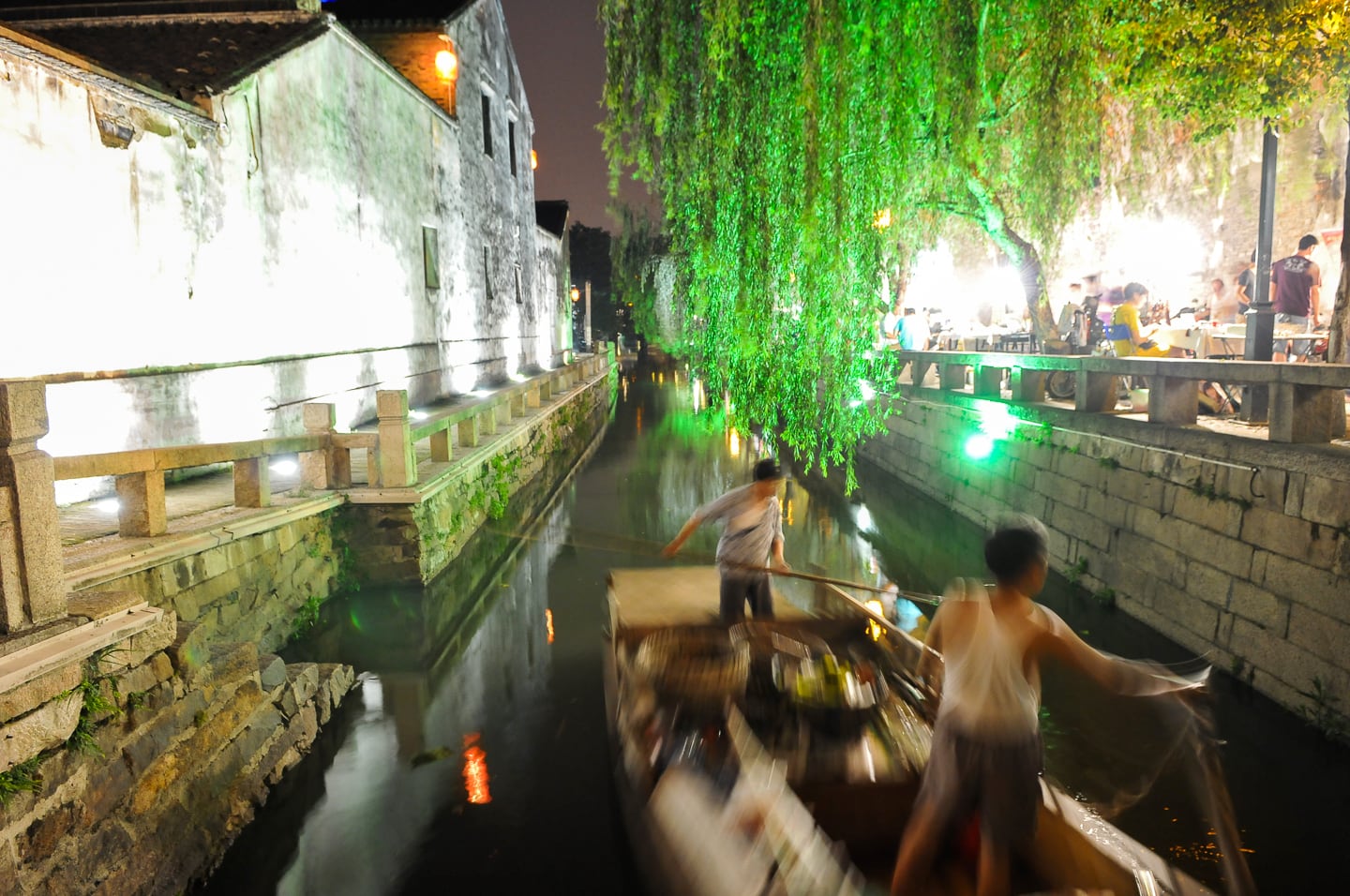
Even by night, the canal garbage collectors keep the canals virtually trash-free, which is no easy task in China where people seem accustomed to depositing whatever, wherever.
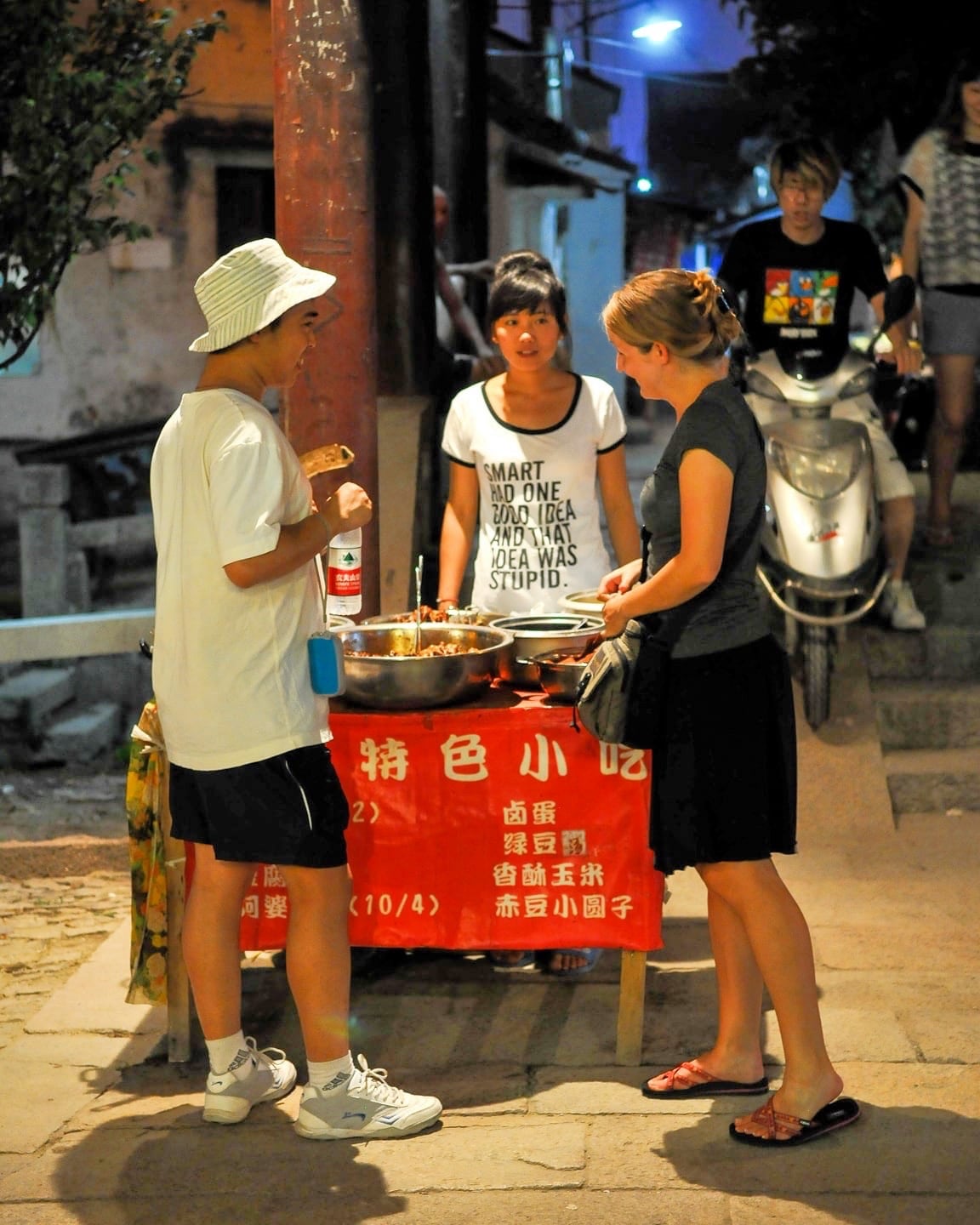
Lori, trying to break through the language barrier to find out what each food item is, which is very often easier said than done in China.
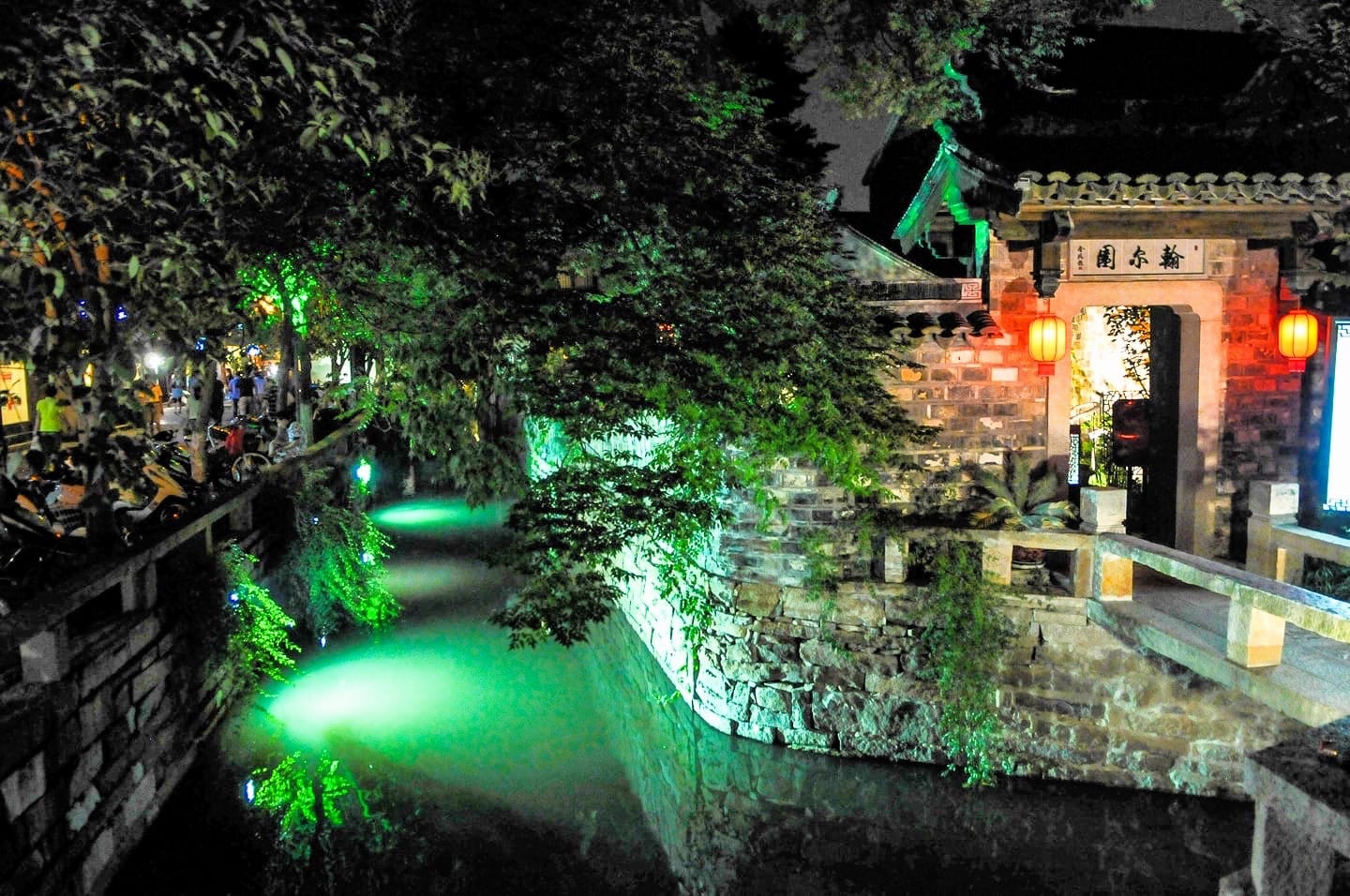
This corner of the canal at the entrance of a hotel struck me as one particular place in Suzhou that may look much the same as it did a century or two ago.
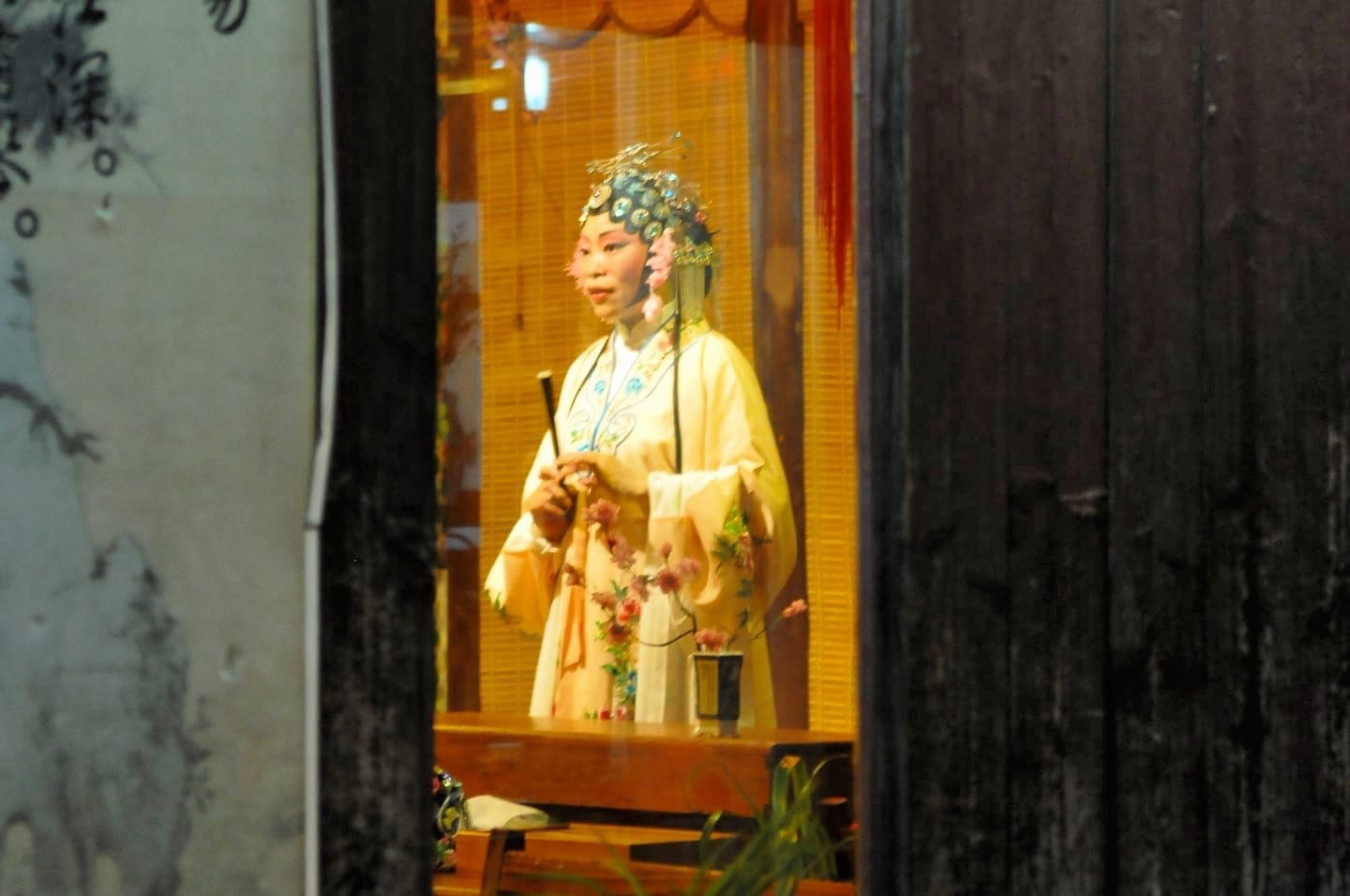
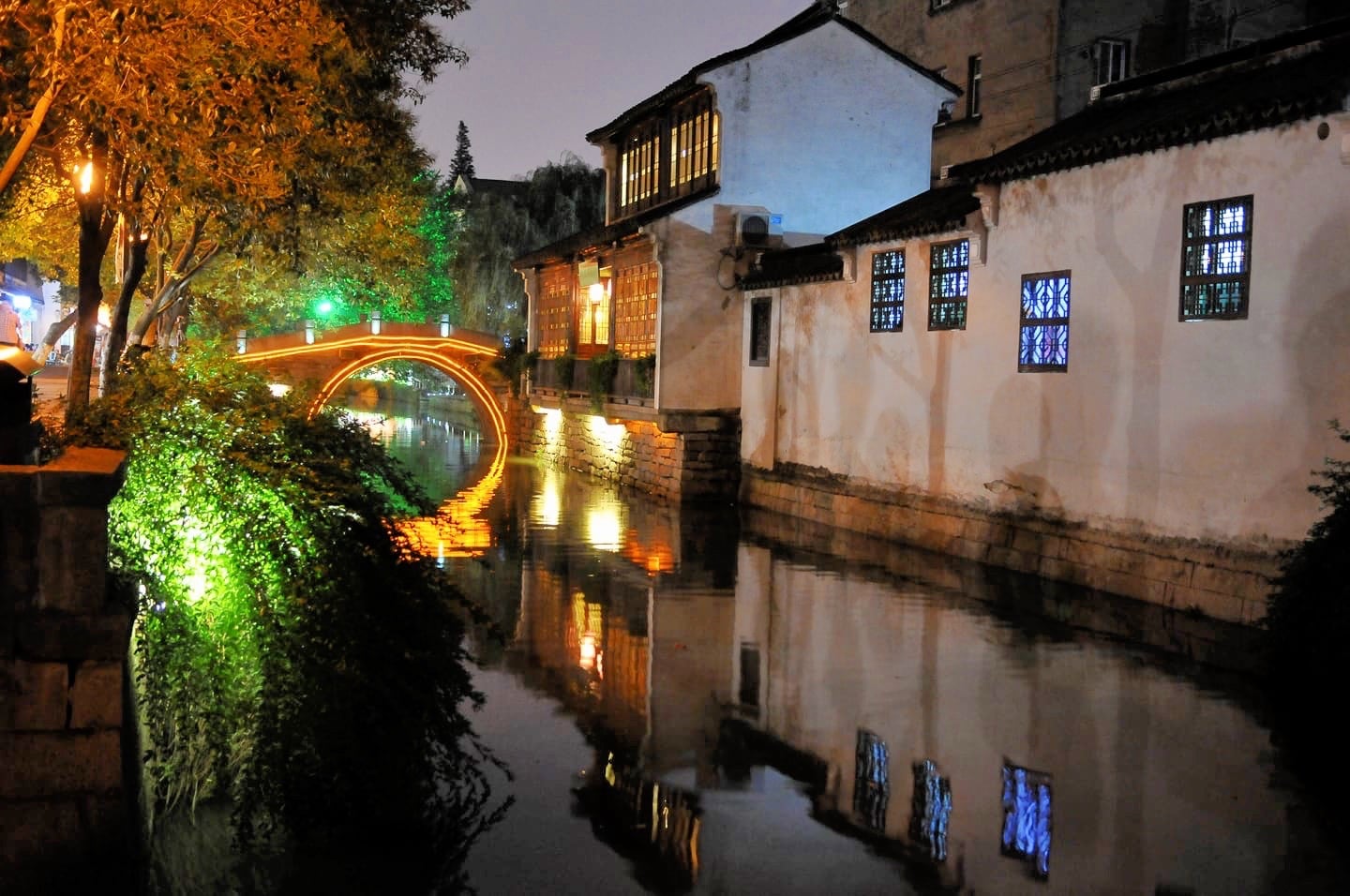
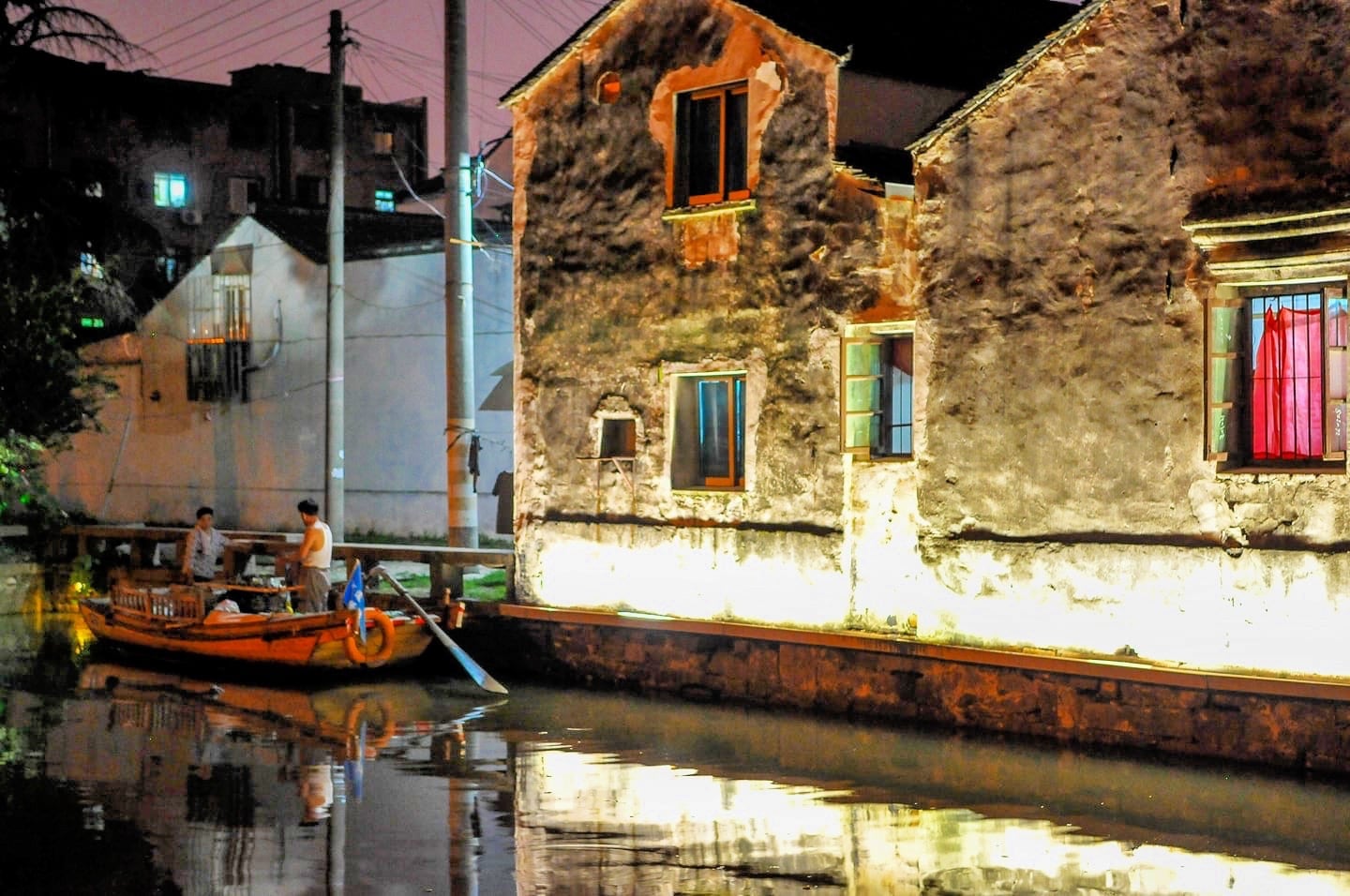
⑤ Suzhou New City
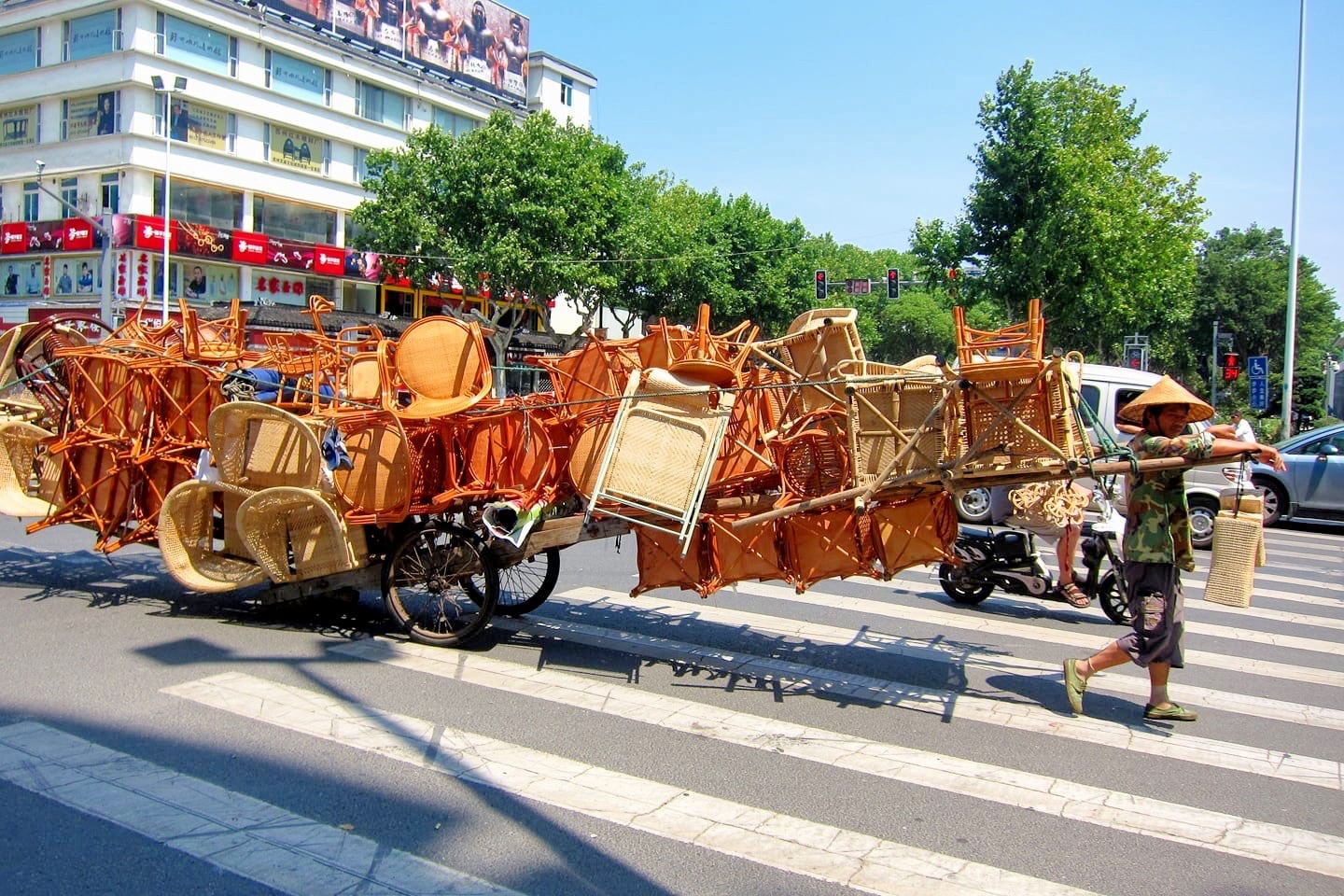
It would be difficult to spend any amount of time in Suzhou and not be somewhat cognizant of the modern world that lies beyond the ancient canals and pathways of Old Town.
From Pingjiang Road, walk in any direction for 10 to 15 minutes and you will most certainly find yourself crossing a very wide and busy avenue unceremoniously depositing you back into modern China, with all the hustle and bustle you’d expect from a city of millions.
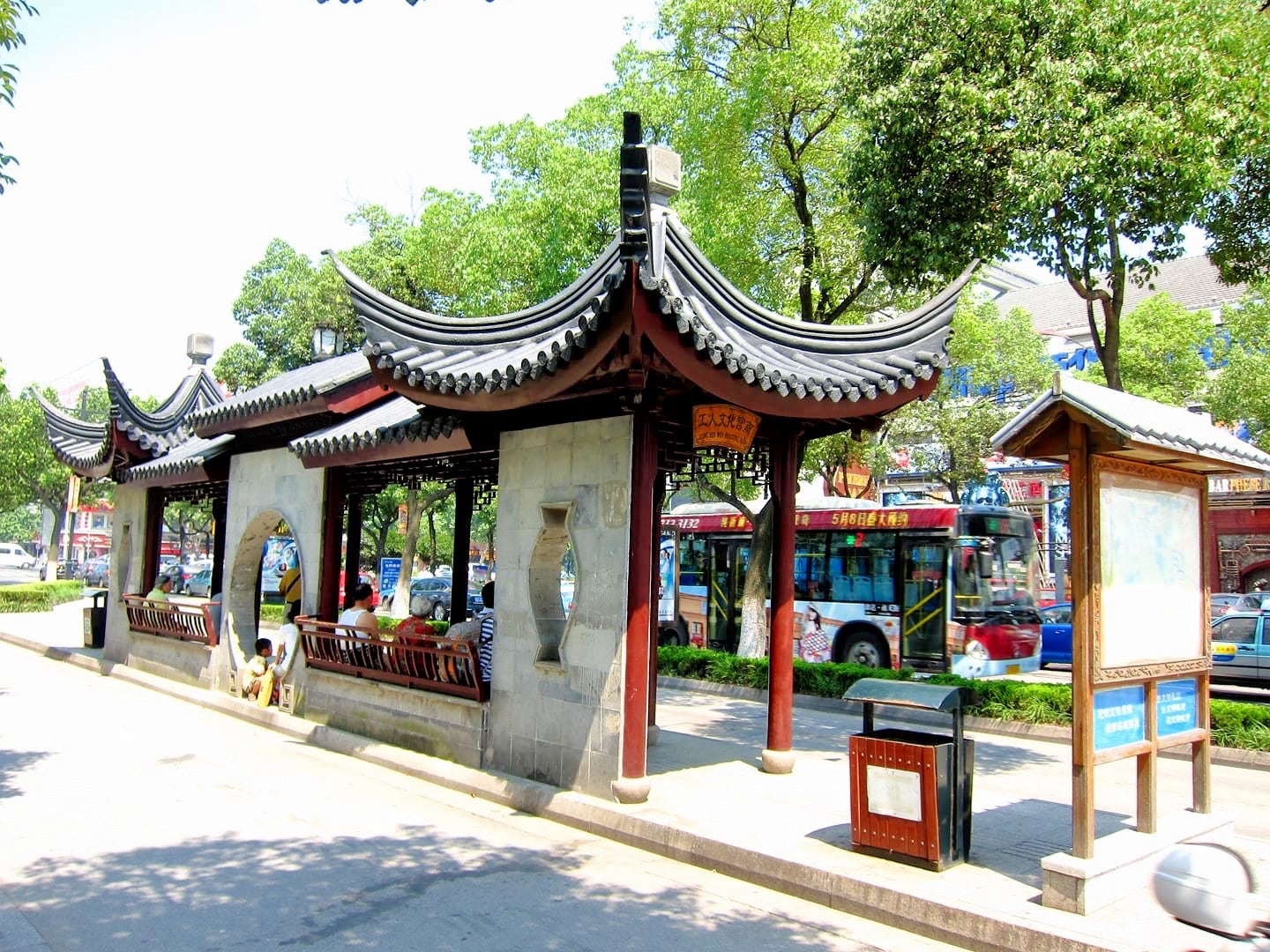
Suzhou’s modern city is remarkably tidy and efficient with a highly livable quality to it. And did I mention Suzhou is huge?—4 million people—with an administrative/metro area encompassing a population of over 10 million! Yet, strolling down one of Old Town’s cobblestone pathways around midday, you’d never know it.
If you have a bit of extra time on your hands, check out Jinji Lake in Suzhou Industrial Park—a lively urban area with waterfront views, shopping, dining, and evening fountain shows.
⑥ Take in a Museum or Two
Suzhou Museum is worth a visit for its thoughtful exhibits and unique design. Designed by famed architect I.M. Pei, the museum blends modern design with classical aesthetics and houses China’s art, calligraphy, ceramics, and relics. It’s also conveniently located right next to the Humble Administrator’s Garden!
The Suzhou Silk Museum offers up a different side of life in the city. Suzhou has been a major silk center for more than 2,000 years, and the museum explains the full story — from silkworms and cocoons to weaving techniques and finished garments.
⑦ Sampling Local Food + Teahouses
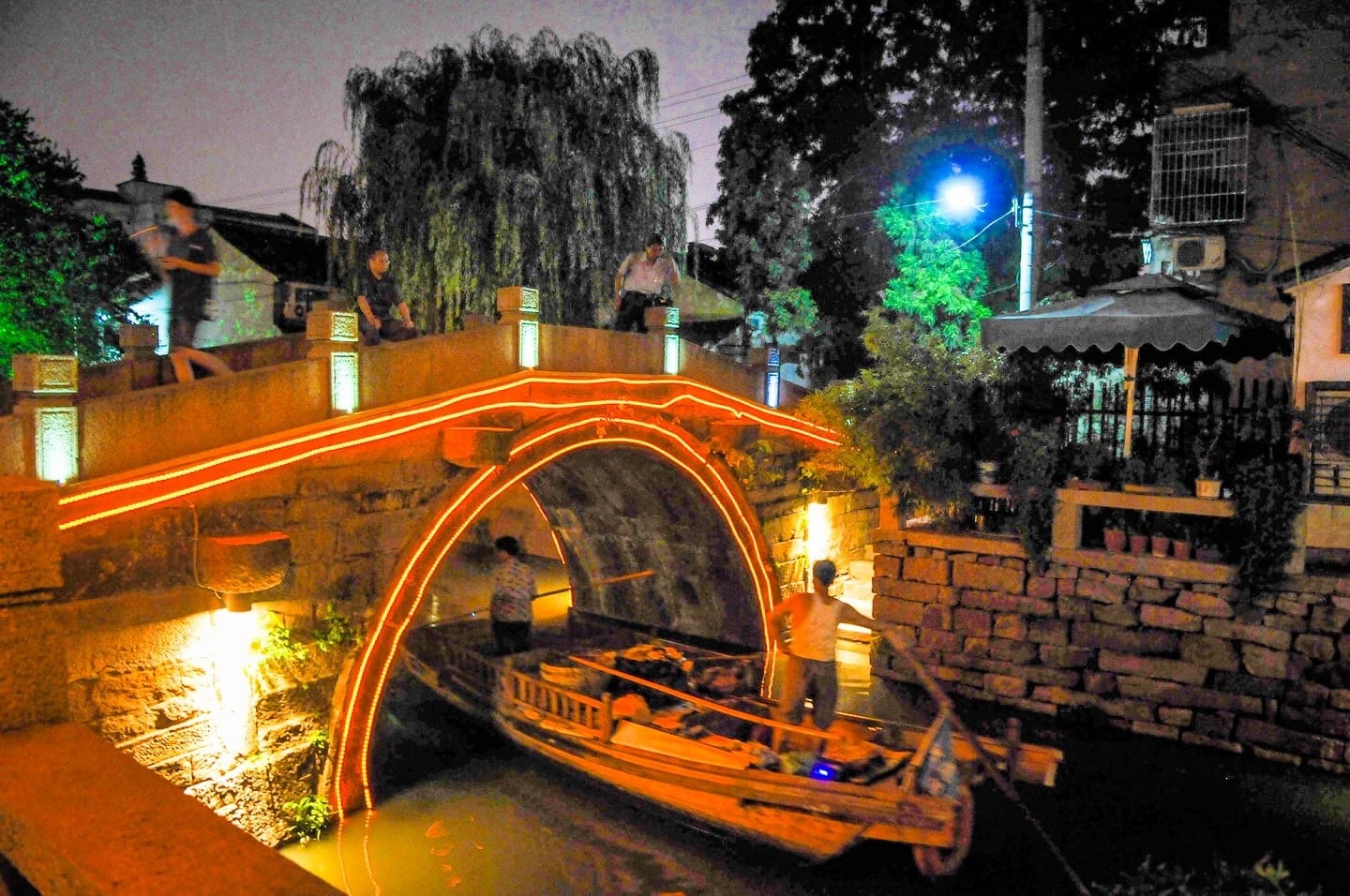
Sampling Suzhou cuisine (like sweet-and-sour mandarin fish) and relaxing in a teahouse or café along the canals is a great way (in our opinion) to slow down and let the Old Town’s laid-back charm wash over you.
Suzhou is a huge city, and one could spend a lifetime trying to explore the city’s eateries, so we’re not going to even try to list them all. For us, there were three places that stood out from the rest.
Suzhou Night Market
As previously mentioned, the Suzhou Night Market along Pingjiang Road is a must-visit for the atmosphere, but also for a bit of traditional street food. It’s also one of the cheaper options in this part of town.
Pin Von Teahouse
Suzhou’s famous Pin Von Teahouse is considered one of the world’s best teahouses. And best of all, it’s right in the heart of Suzhou Old Town along Pingjiang Road.
This unassuming teahouse right on the Pingjiang canal has been featured in a number of top ten lists of teahouses over the years, and I’ll agree, it’s not one to be missed if you find yourself in Suzhou.
Pin Von serves up a number of delicious treats throughout the day, but is best known for their dim sum style dumplings and potstickers, which is exactly what we ordered. And they were awesome.
Being that Pin Von is a teahouse (and a really amazing one at that), I also felt obligated to try some tea.
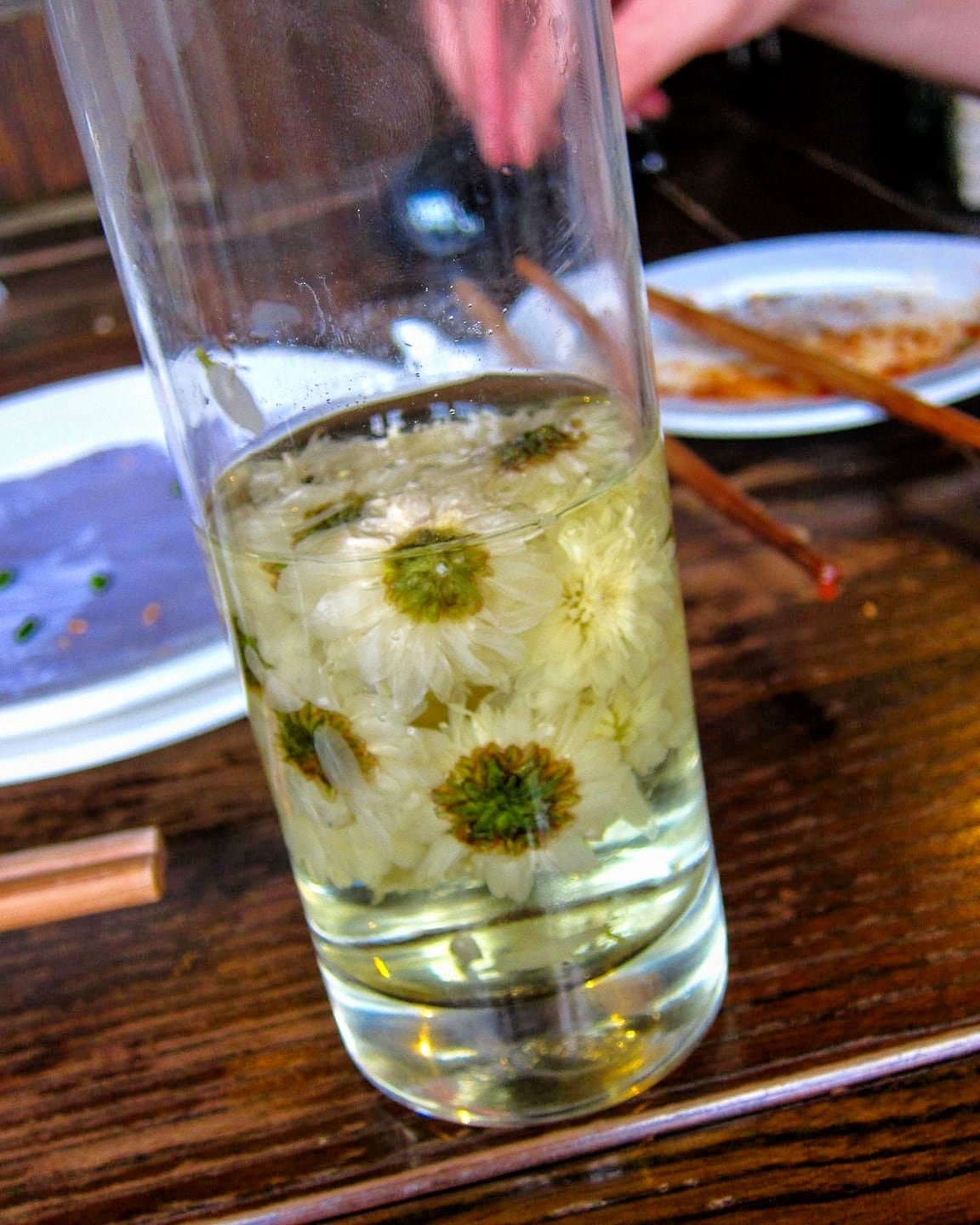
I went with the local Chrysanthemum variety, which not only had the appearance of a glass full of hot water and wildflowers, but tasted as such.
The next day, I tried one of their black teas, and it was awesome.
Xinjiang Ya’kexi
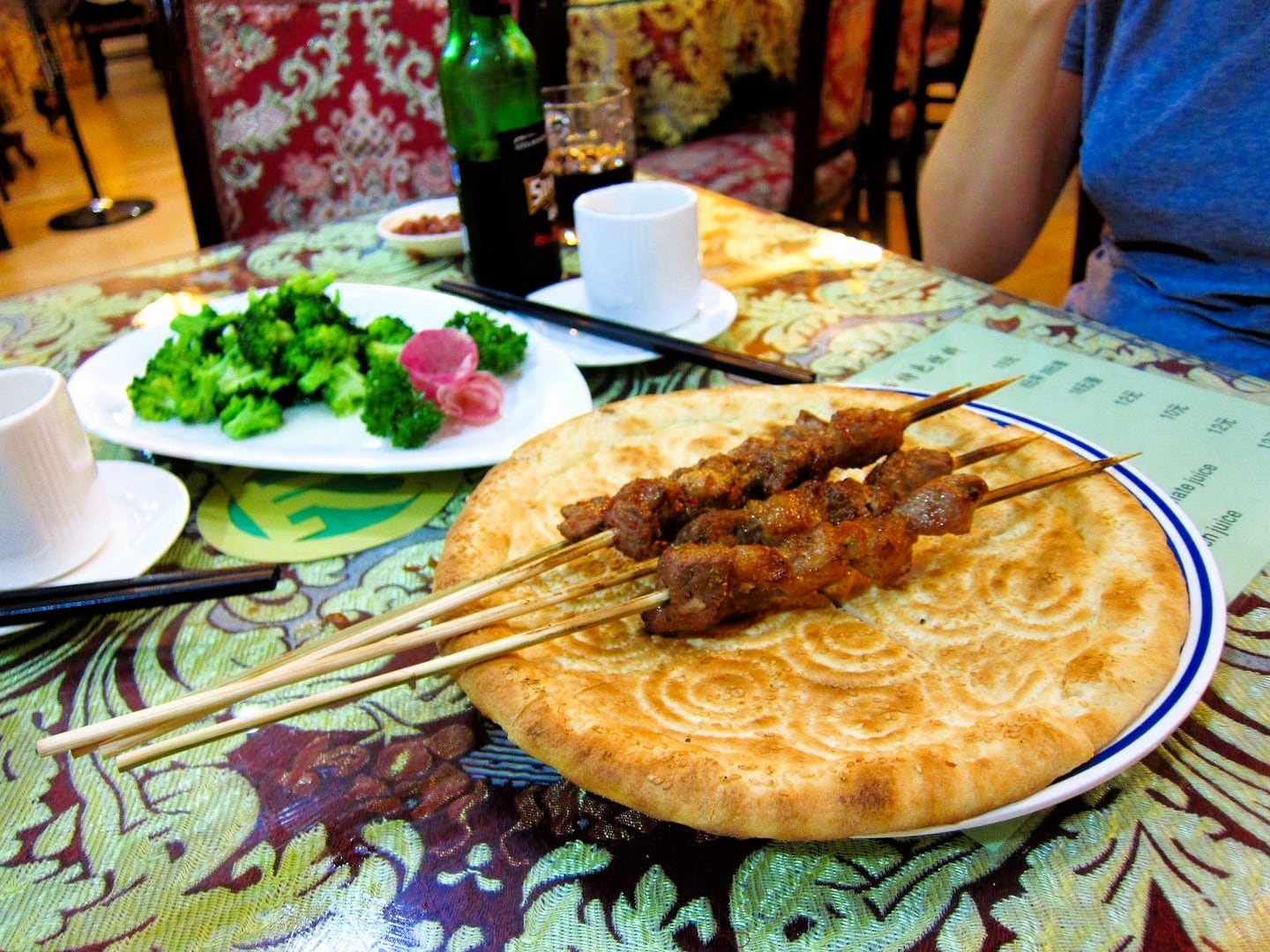
A short ride from Pingjiang District in Suzhou, Xinjiang Yakexi restaurant (pronounced Shin’jang Ya-KESH-ee) serves up delicious Uyghur (WEE’ger) Muslim cuisine for those craving something apart from the city’s norm.
Yakexi is a bit of a walk from the main tourist area, but well worth the effort.
We chose four delicious food items—lamb kabob, flatbread, veggies, and rice—from what must have been a menu of over 100.
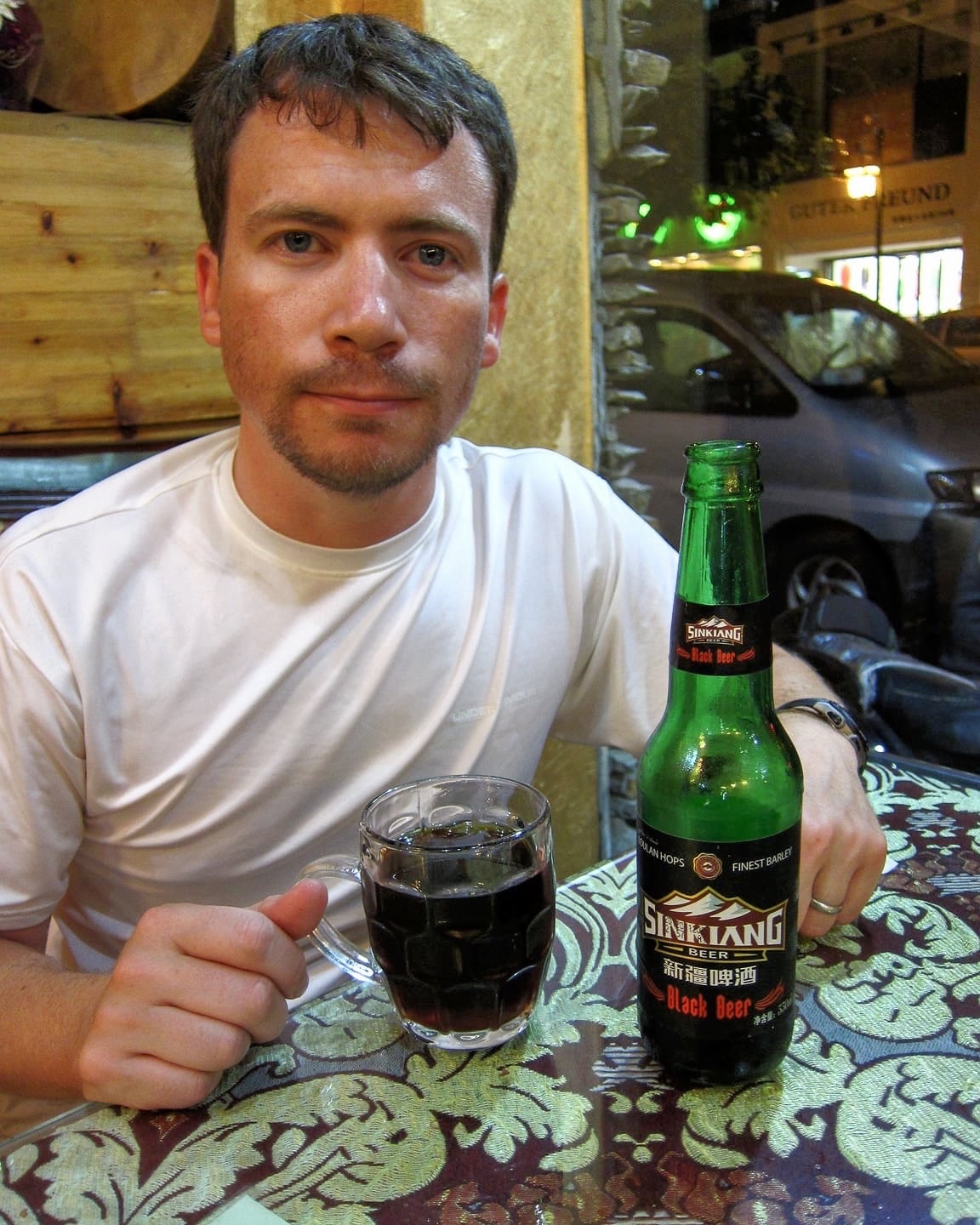
The food was tasty, but the highlight of the menu (at least for me) was the unusual Uyghur Sinkiang Black Beer which, according to RateBeer.com, is actual an Amber Lager…a very dark Amber Lager at that.
Very tasty and very unlike any other beer I’ve had in China.
⑧ Water Town Day Trips from Suzhou
Suzhou is ideally placed for visiting the region’s wonderful water towns, which make for excellent half- or full-day trips, if you’ve got the time.
The towns are known for their narrow canals, stone bridges, whitewashed houses, and a slower pace that feels very different from the city—and they’re relatively easy to reach by bus, taxi, or train.
We think Tongli might offer travelers the best bang-for-the-buck from Suzhou. It’s compact, charming, and less commercial than some bigger-name towns.
You can wander along the canals, cross photogenic bridges, poke into small museums and former residences, and take a short boat ride—all in a small area.
Zhouzhuang is probably the most famous (and popular) water town in the region and the most photographed, with wide canals and well-preserved buildings.
If this is your first time visiting a Chinese water town and you want the classic postcard experience, then Zhouzhuang is probably what you’re after.
On the quieter side, Luzhi is a great alternative. It’s closer to Suzhou, sees fewer tour groups, and has a more local feel to it. There are fewer major sights, but visiting Luzhi is more about wandering and taking it all in.
What else to know for visiting Suzhou
Where to Stay in Suzhou
We’re big fans of spending a little more time and money to get our accommodation right—it’s the one piece of the puzzle that can easily cast a cloud over an entire visit.
In that respect, Lori and I think these three options are a great place to start. The first two are solid, top-rated, strategically-located mid-range properties. The last one is where we stayed on our visit—still well-reviewed (and you can’t get more central to Old Town), but no longer our top-top pick.
✪ Our Top Pick Pan Pacific Suzhou blends traditional Chinese architecture with modern amenities and a peaceful vibe after busy days visiting gardens and wandering along canals. We especially like its convenient location near some of Suzhou’s top historic highlights.
✪ Our Boutique Pick Suzhou Unique Space Design Art Hotel is a unique boutique hotel with personality and flair that you won’t find elsewhere. It’s a stay that feels a little different from a typical hotel experience.
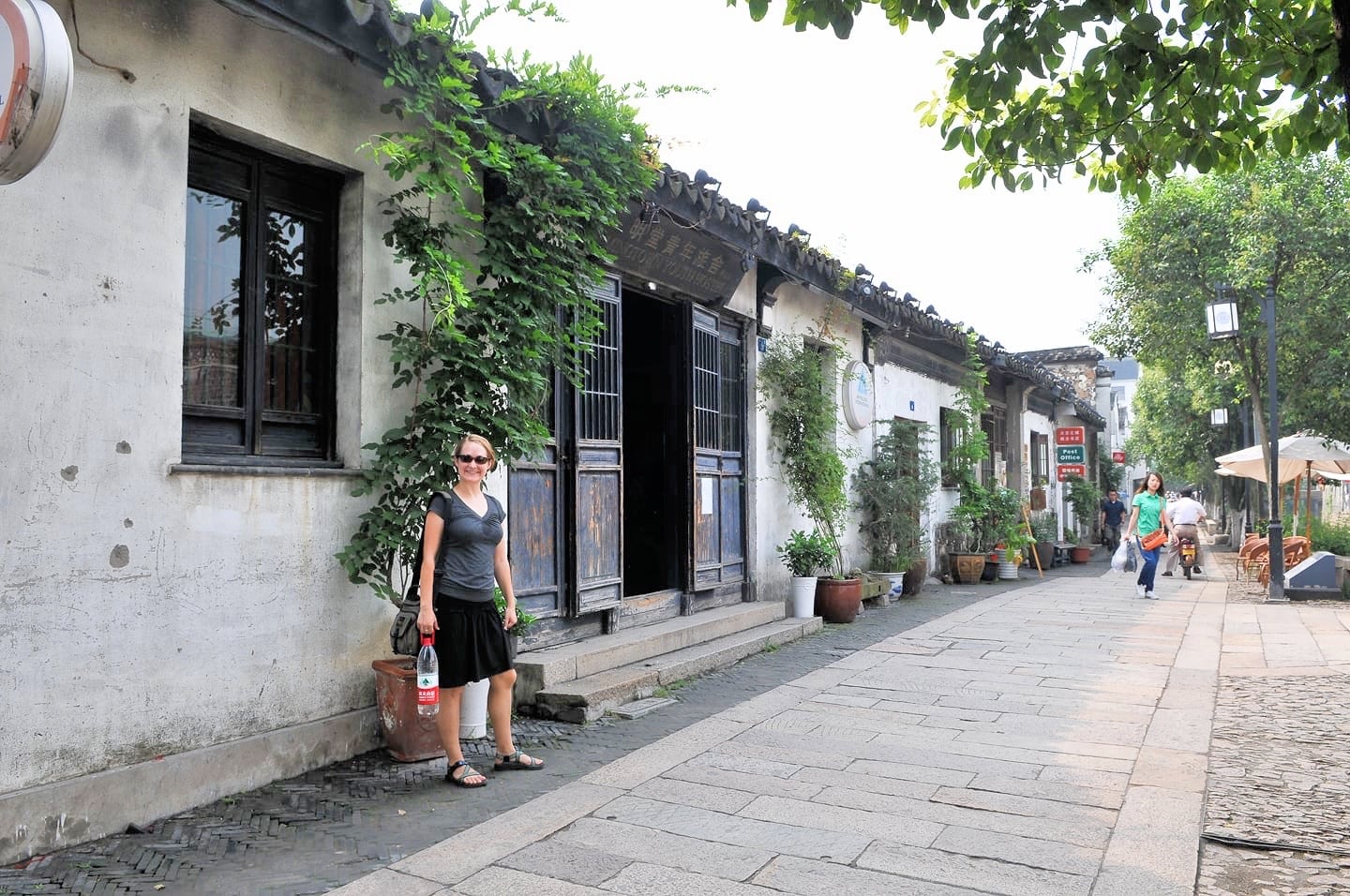
✪ Our Budget Pick The venerable Mingtown Suzhou International Youth Hostel is an ideally-located stay for travelers keeping an eye on their budget. We enjoyed our stay here and found the English-speaking staff to be welcoming and helpful.
When to Visit
We arrived in Suzhou in July, still hoping somehow to beat the summer heat. Instead, we encountered daily highs in the mid to upper 90s with a generous helping of humidity.
The good news is that Old Town Suzhou’s Pingjiang district lends itself to strolling around slowly and aimlessly with plenty of frigid shops, teahouses, and cafes to duck into when you’ve reached your limit with the heat.
If you want to avoid the heat altogether (and the cold!), the best time to visit Suzhou is in spring or autumn (April-May or September-October). But do keep in mind, these months also tend to coincide with tourist high season (both foreign and domestic).
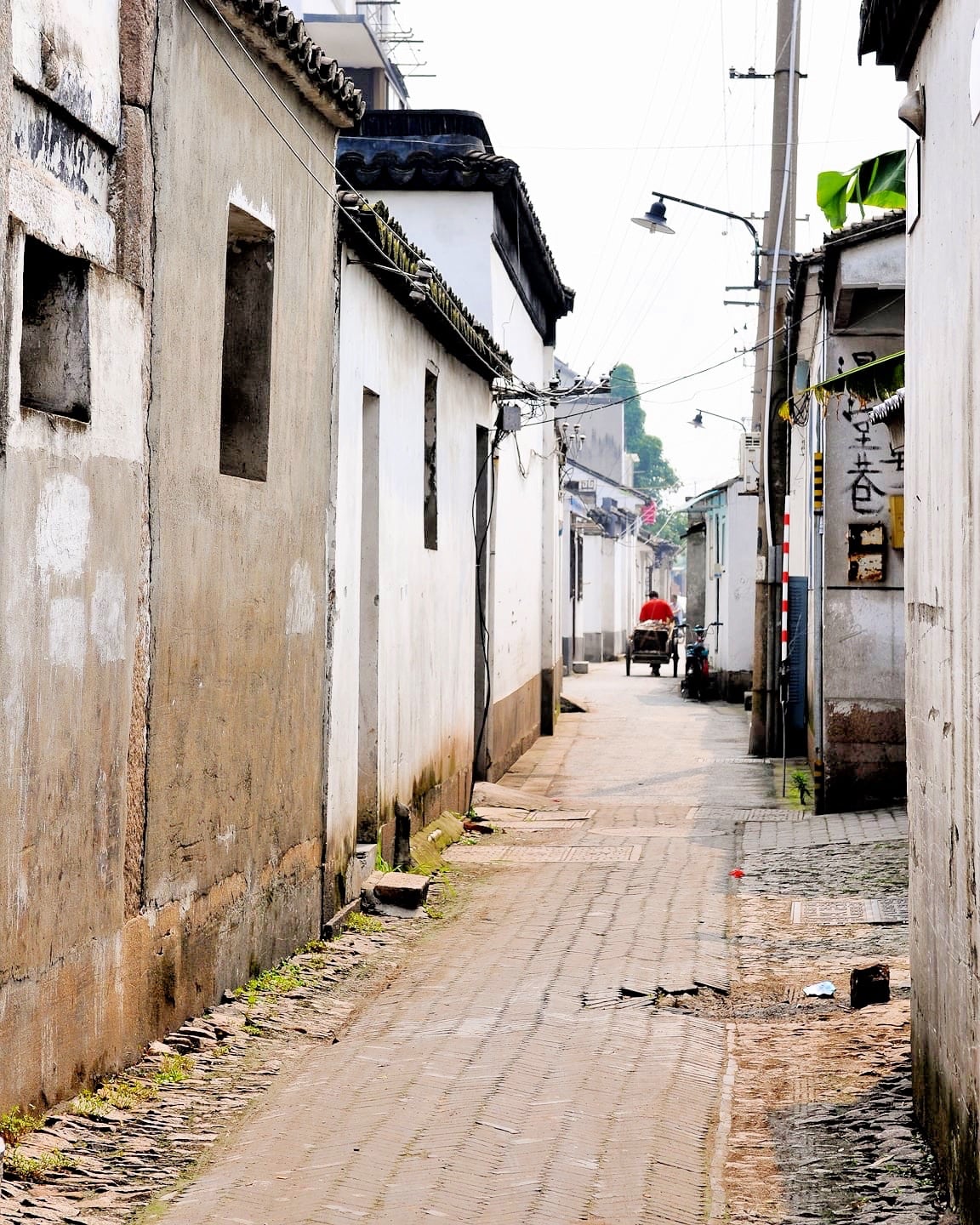
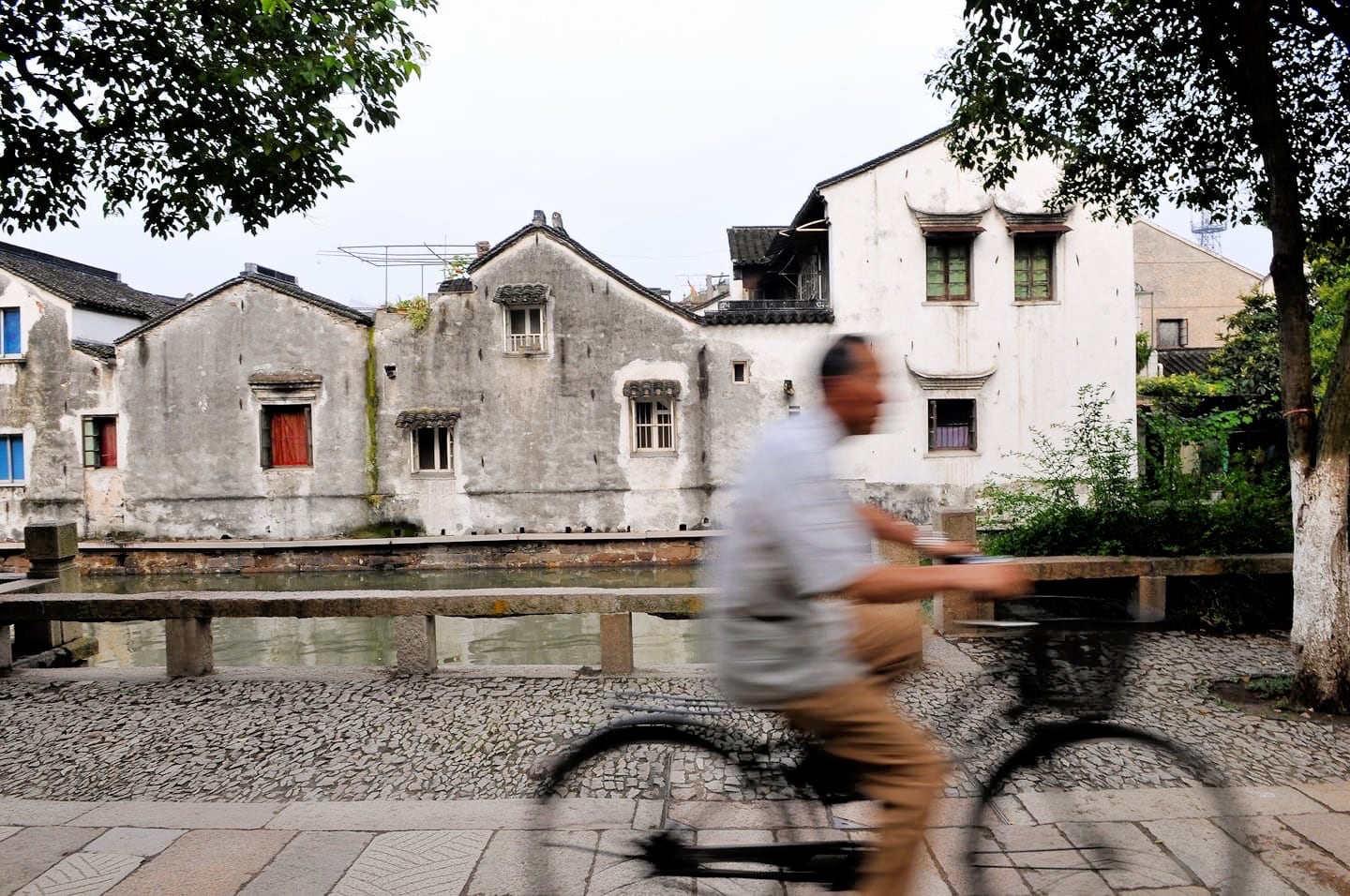
Full-sized vehicles are not permitted in Old Town, but bicycles and motorbikes are, which can be an occasional hazard to your health and sanity on Suzhou’s narrow cobblestone streets.
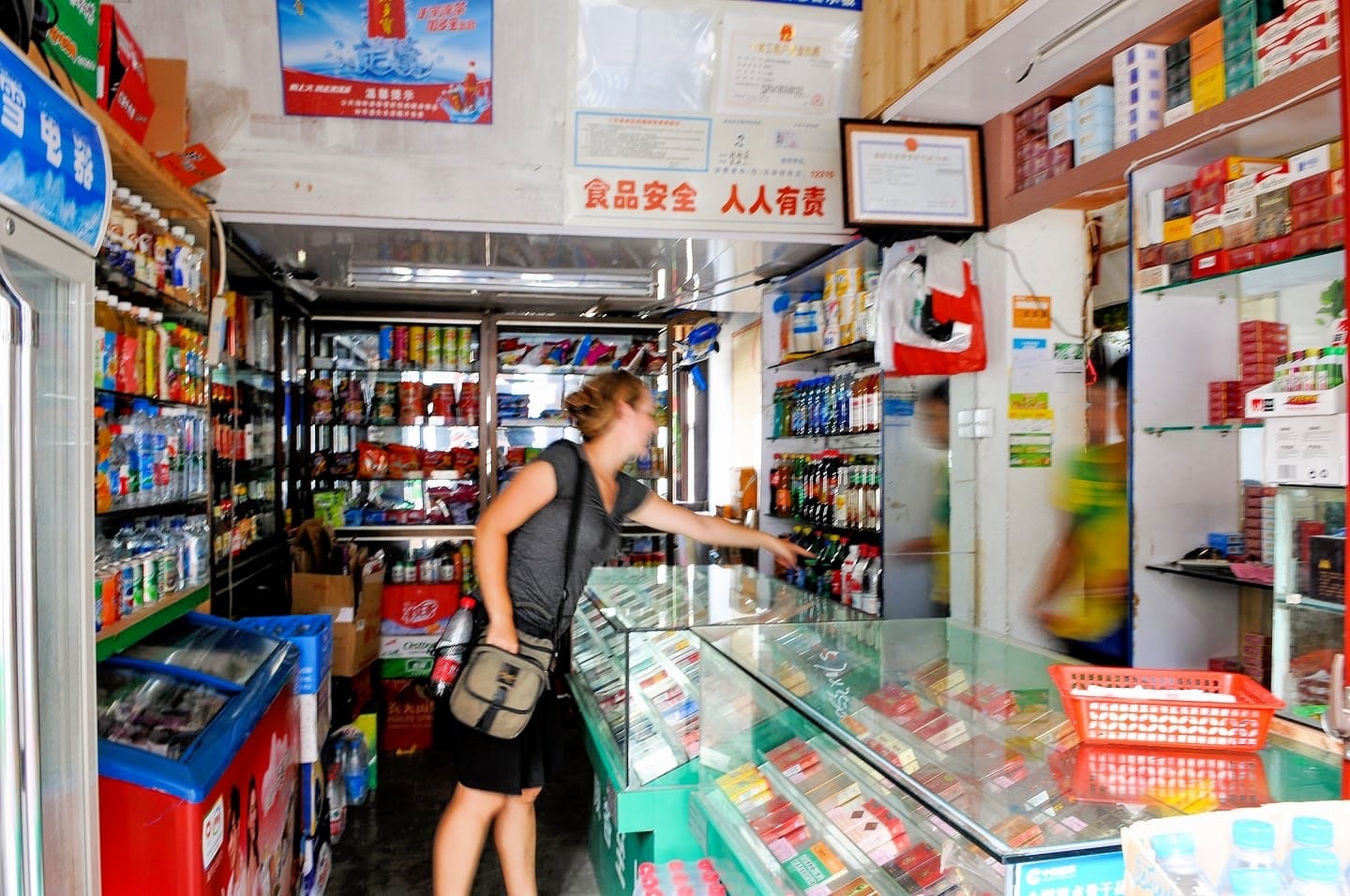
An added benefit of strolling in the midday heat is that you won’t find a lot of motorbikes vying for precious cobblestone—though you’ll want to stock up on water in the morning as we also found few street vendors out in the heat of the day.
How to Get From Shanghai to Suzhou
With the arrival of the bullet train over a decade ago covering the 70 km between Suzhou and Shanghai, it’s easier than ever to visit this ancient city.
We left Shanghai on a blazing-fast Suzhou-bound G-train (Gaotie), arriving a mere 25 minutes later—a journey that still takes 1.5 hours by K (formerly known as “fast”) trains and even longer by freeway.
The G-train is not cheap, but unless you are on an extreme budget (which is pretty close to describing our backpacker budget at the time), we’d encourage you to splurge for a G-train ticket for this journey.
Because of the relatively short distance, it’s one of the cheaper ultra-fast train tickets between two major cities in China. If you’ve ever wanted to ride a 300 km/h train, you’ll never get a better opportunity.
In addition to the cost, the only other downside to doing the journey by bullet train (Dongche) means you’ll need to access the ultra-modern train terminals that the G- and D–trains service, which can be quite a ways outside of the urban core.
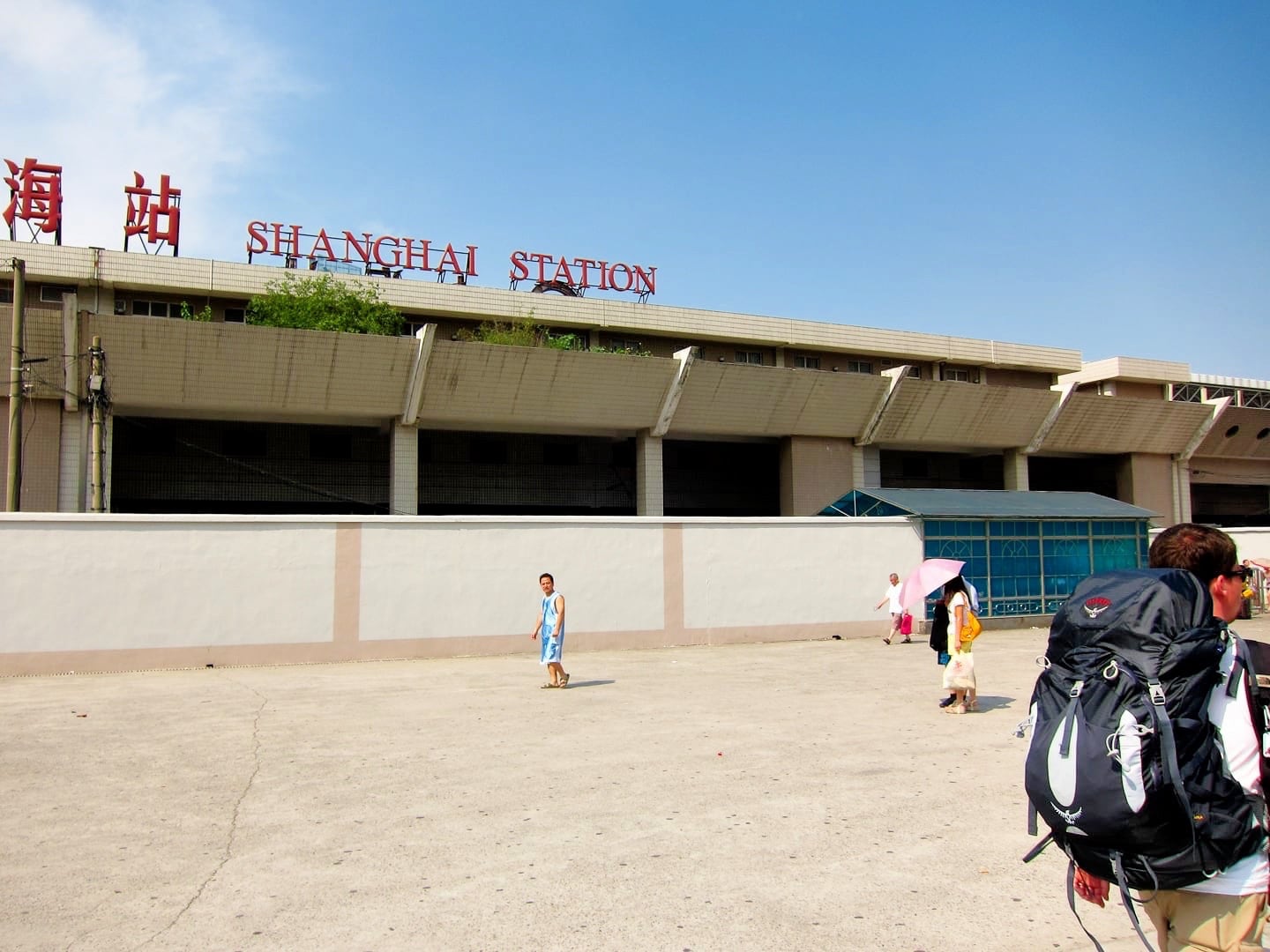
The journey can still be done by K-train, which takes about 3x the amount of time but is quite a bit cheaper. When we visited, K trains were still servicing stations within the urban core (e.g. Shanghai Railway Station), but this very well could have changed, as transport infrastructure in China is constantly in flux these days.
Check with your guesthouse/hotel before leaving Shanghai for the latest updates and information for your journey.
A number of travel agencies and tour companies in Shanghai also run group tours to Suzhou via bus (we recommend checking out this private tour from Shanghai).
Going with a tour group has the advantages of having someone else figure out the logistics for you (which can be daunting if it’s your first time in China and you don’t speak Mandarin), door-to-door transport, and an English speaking guide for seeing Suzhou’s attractions, if that’s your thing.
As always, the trade-offs will be independence and flexibility, but you’ll also spend a lot more time traveling between the two cities when you could be strolling the ancient canals and UNESCO classical gardens.
While it is possible to make a day trip to Suzhou from Shanghai, we strongly advise against doing so. Sights are spread out across the sprawling Old Town, there’s way too much to see in a matter of hours, it can get very hot in the summer months, and evening is by far the most pleasant time to find yourself strolling along Suzhou’s evocative canals.
Add some time time to your visit to Suzhou to fully explore this ancient and modern Chinese city and you won’t be disappointed.
Explore More China
- Climbing Taishan Mountain: A Detailed Guide
- Tian Tan Buddha: Guide to Hong Kong’s Big Buddha
- Tai O Fishing Village: Our Favorite Things to See & Do
Suzhou is a wonderful city to travel to and visit. We loved all the canals and gardens that are there. If you are there during the summer we suggest checking out the festivals that they have going on.
Great advice, Alexis. Thanks for sharing.