
The ancient port city of Tangier was our introduction to Morocco—and a fitting one at that. Looking back now, we can’t imagine a better place to begin three months of travel around the country.
We came by way of ferry from Spain (as most international visitors to Tangier do). After three months in the Iberian peninsula, we were ready for a change and Tangier delivered.
Lori and I thought Tangier might feel like one big seedy tourist trap (spoiler alert: we were pleasantly surprised to find it isn’t—the Marrakesh medina is a different story).
We ended up spending four days here, which was longer than most travelers seem to stay. And, even then, we easily could have spent more time.
If you only have one day in Tangier, no problem! The Old Town is compact and super manageable, and a short walk from the ferry terminal.
Here are 8 worthwhile things to do in Tangier in one day, based on our own experience exploring the city during our first days in Morocco.
And if you end up extending your stay like we did, we’ve got tips for that as well.
Looking for the easiest way to visit?
These are our picks for top-rated day trips from Tarifa:
✪ Group Tangier Day Trip from Tarifa (Lunch + Ferry included)
✪ Private Tarifa/Algeciras: Tangier Private Day Tour w/ Ferry Ticket
This post contains affiliate links. If you click and make a purchase, we might receive a commission (at no added cost to you). Thanks for supporting independent, ad-free blogs!
Why Visit Tangier?
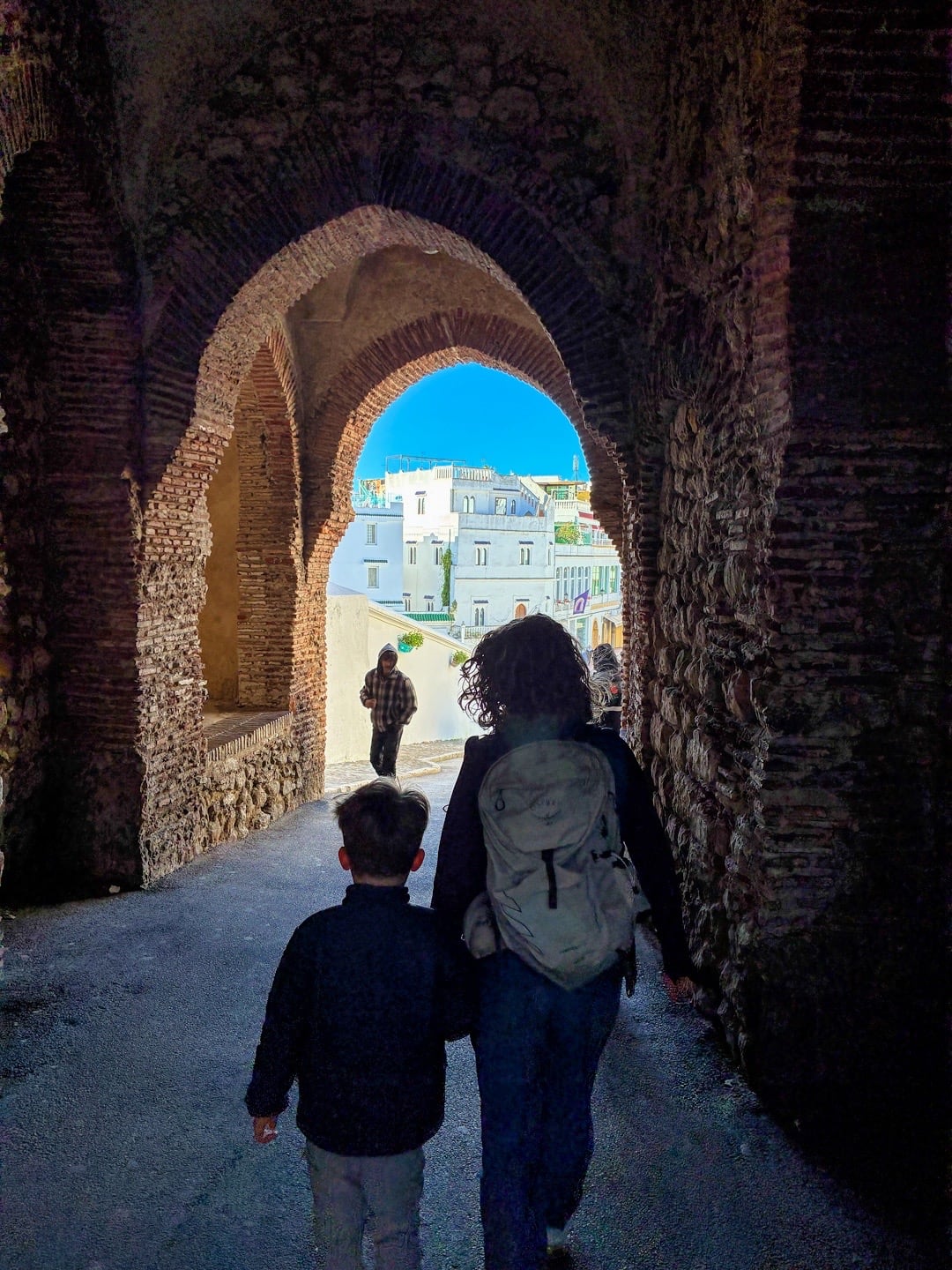
In a lot of ways, I expected to arrive in a crazier seafaring version of what I once imagined Marrakesh to be—a bustling, medieval labyrinth of spice markets, livestock, and humanity that somehow feels both African, European, and Middle Eastern at the same time.
Today’s Tangier is far more subdued and clean-cut than it was just decades ago at the height of its autonomous independent zone era, when spies, writers, musicians, and criminals all converged here and intermingled.
(So, if you’re looking for international intrigue and the underbelly of Northern Africa, you may be sorely disappointed).
Old Tangier (particularly the medina) still retains its historic feel. But it’s also clear that this city is one on the rise, with modern buildings popping up by the week and businesses increasingly catering to a growing local middle class (not just tourists).
The city’s geography puts Tangier at the a unique cultural crossroads. Europe feels close here (because it is—on clear days, you can see Spain across the water). French, Spanish, Arabic, and English all mix together throughout the city, as well as the different styles of architecture.
At the same time, Tangier feels unmistakably Moroccan. The medina remains a busy and unpredictable tangle of footpaths. Calls to prayer echo across the hillsides. Souks spill into alleyways. Many residents still don traditional attire. And male-dominated café culture rules the sidewalks.
Tangier’s Old Town is delightfully compact and much easier to navigate than the likes of Fez or Marrakesh. We found it easy to settle into a rhythm here and even lose the crowds from time to time.
There is certainly tourism here (mostly day trippers from Spain), but the vibe (even in the medina) feels grounded in daily local life (especially in the late afternoon and evening).
For all these reasons and many more, we think Tangier is an excellent introduction to Morocco for first-time visitors, even for a day.
8 Worthwhile Things to Do in Tangier, Morocco
Wander Through the Tangier Medina
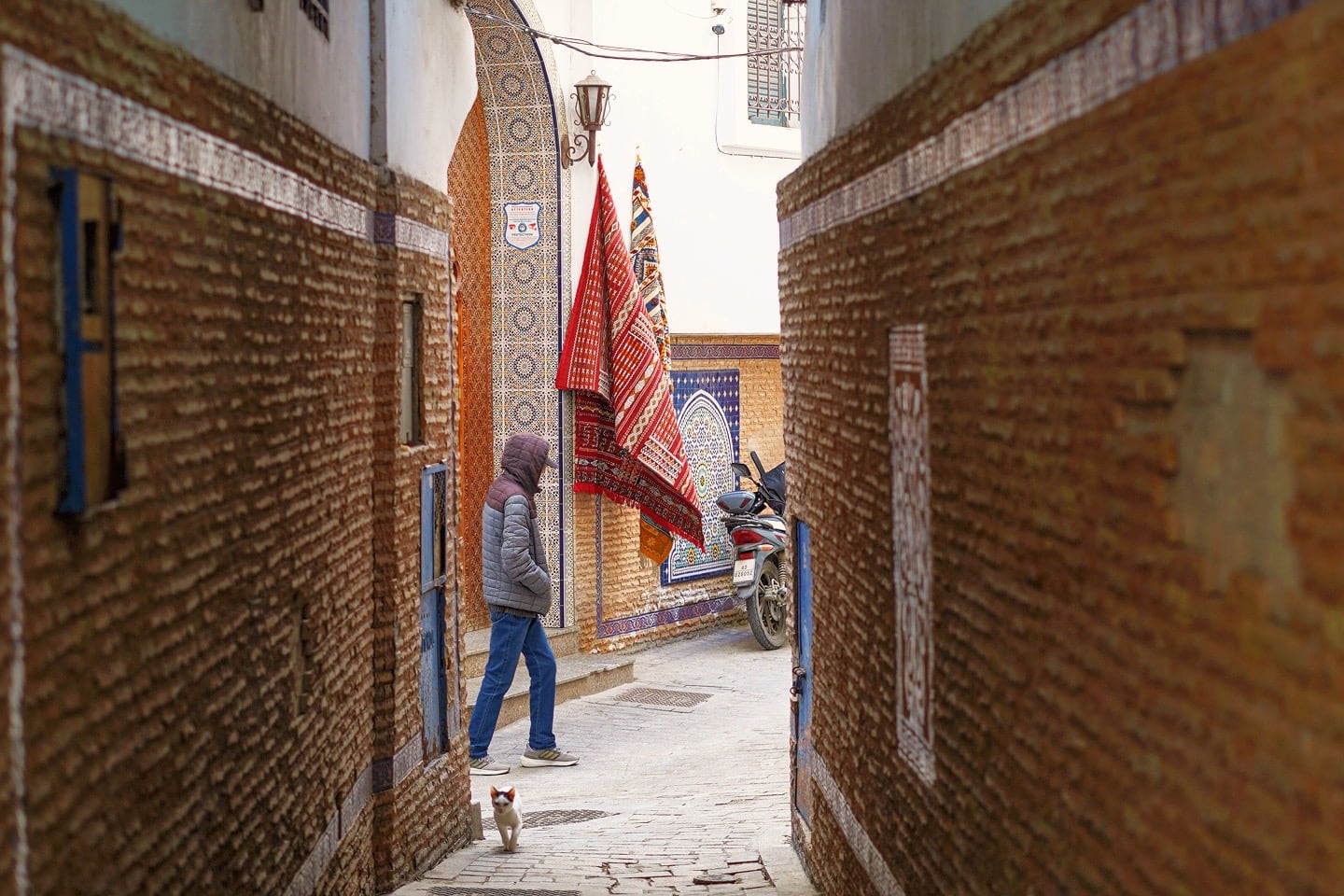
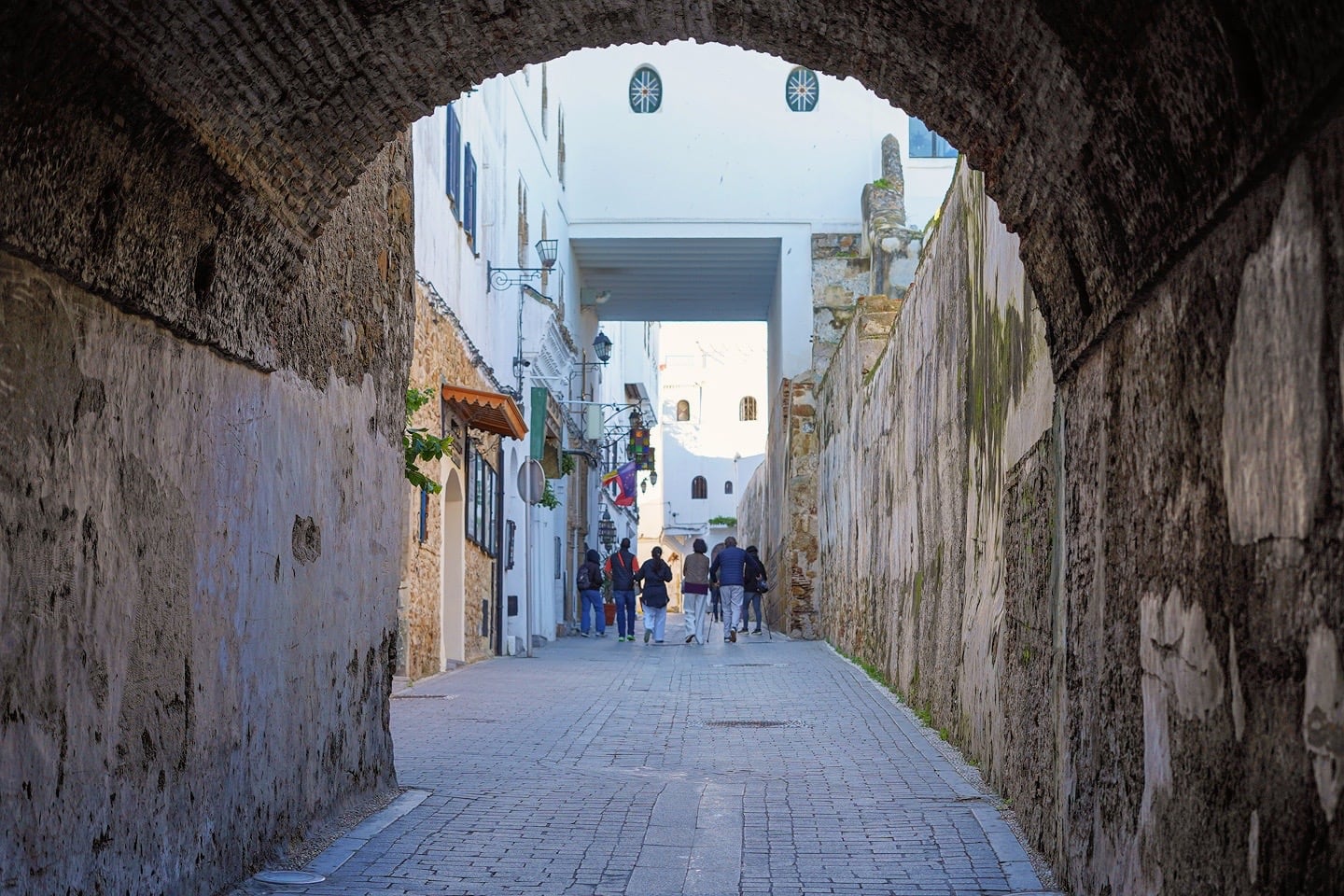
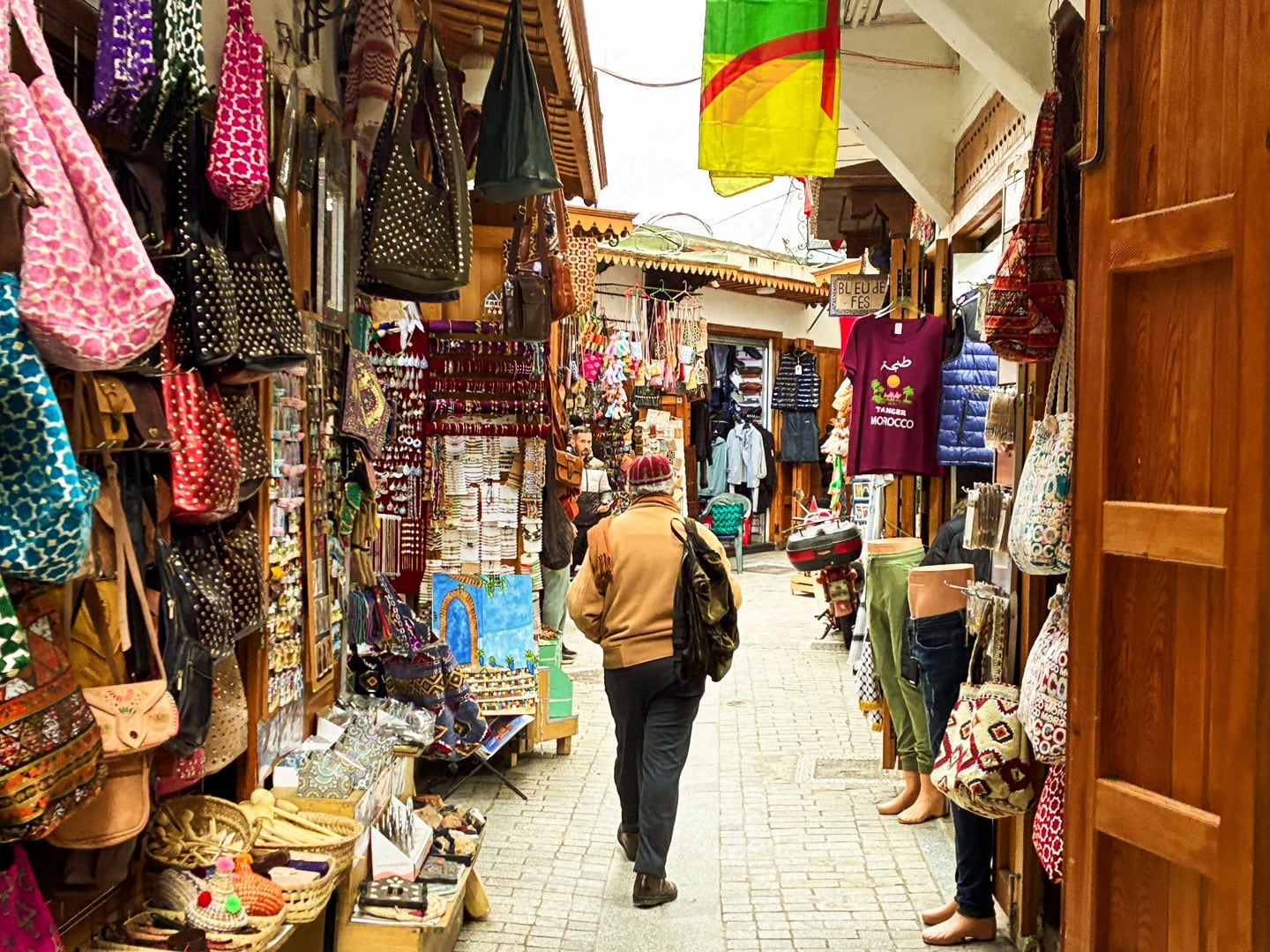
Like most visitors probably do, we started our Tangier explorations in the ancient medina.
At first, the old city can feel a bit intimidating. The alleyways twist in different directions, locals move through the streets at a blistering pace, and we found ourselves constantly having to consult the map app on our phones.
With that said, the Tangier Medina is a great place to get lost in. It’s a low-risk, high-reward sort of wandering, where you really can’t end up in a place you wouldn’t want to eventually find yourself in. It’s also laid out on a hill, which makes getting your bearings a lot easier.
Tangier’s medina feels a lot different from the medinas in Marrakesh or Fez. There’s a more predictable ebb and flow to daily life centered largely around the heat, work hours, and day-tripper schedules.
There’s also a distinctive coastal openness to it, where sunlight reaches more corners, ocean air drifts through alleyways, and portals higher up the hill offer sweeping sea views.
Our favorite memories in these sorts of places always come from wandering the streets without a particular agenda.
We passed tiny bakeries selling fresh bread straight from the oven, shops overflowing with leather bags and ceramics (as well as your typical souvenirs), older men drinking coffee in front of cafés, and children racing through labyrinthine alleyways.
We also quickly learned not to over-plan (or over-think) the medina. There aren’t a ton of sights and attractions here (the medina, itself, is the main event!).
✪ Hot Tip In our opinion, the best times of day to explore the medina are in the morning before 10am and after 5pm in the evening. If you’re here for the day, 1pm-3pm tends to be the busiest (that’s when locals eat their midday meal).
Sit with Mint Tea at the Petit Socco
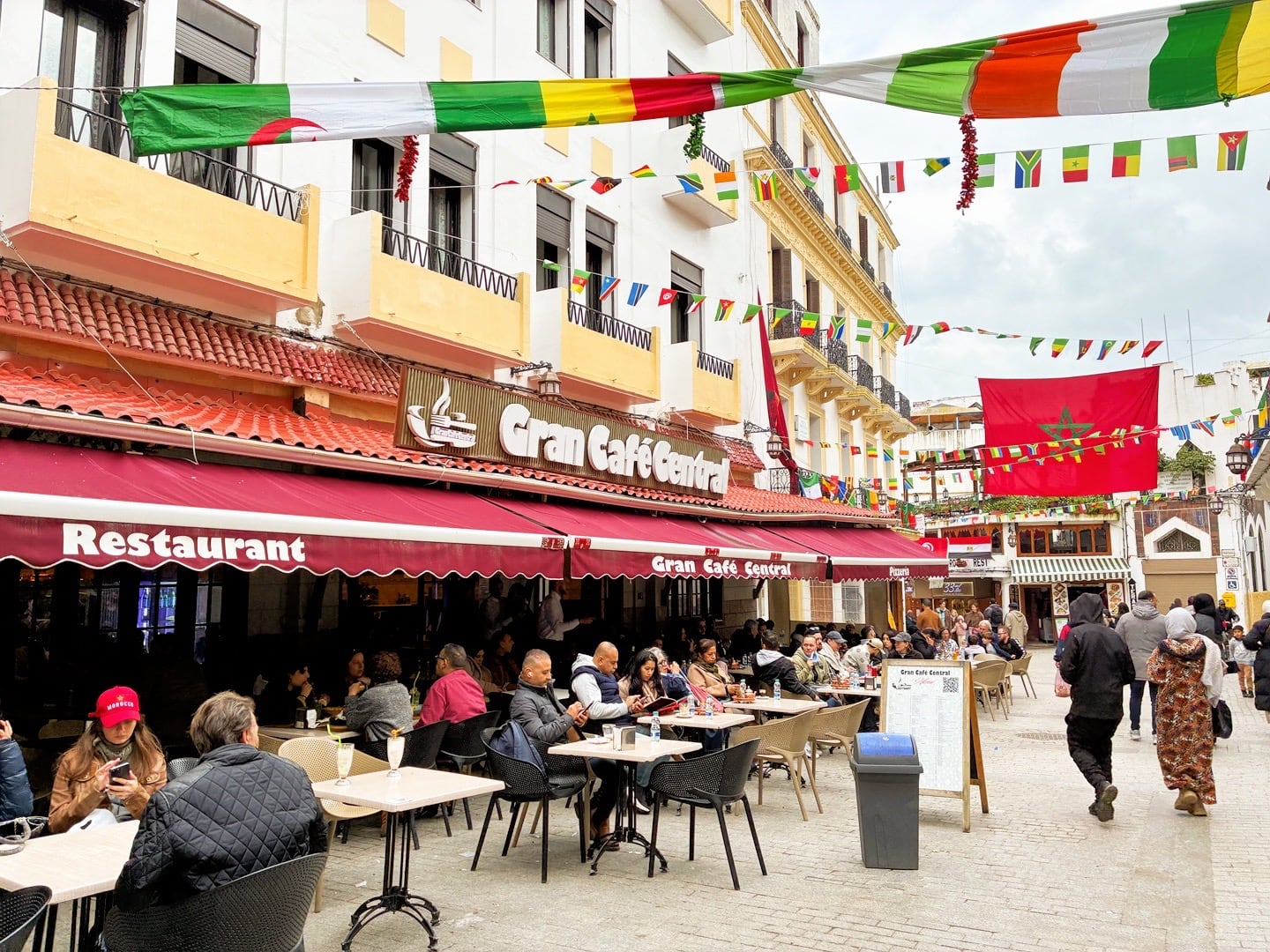
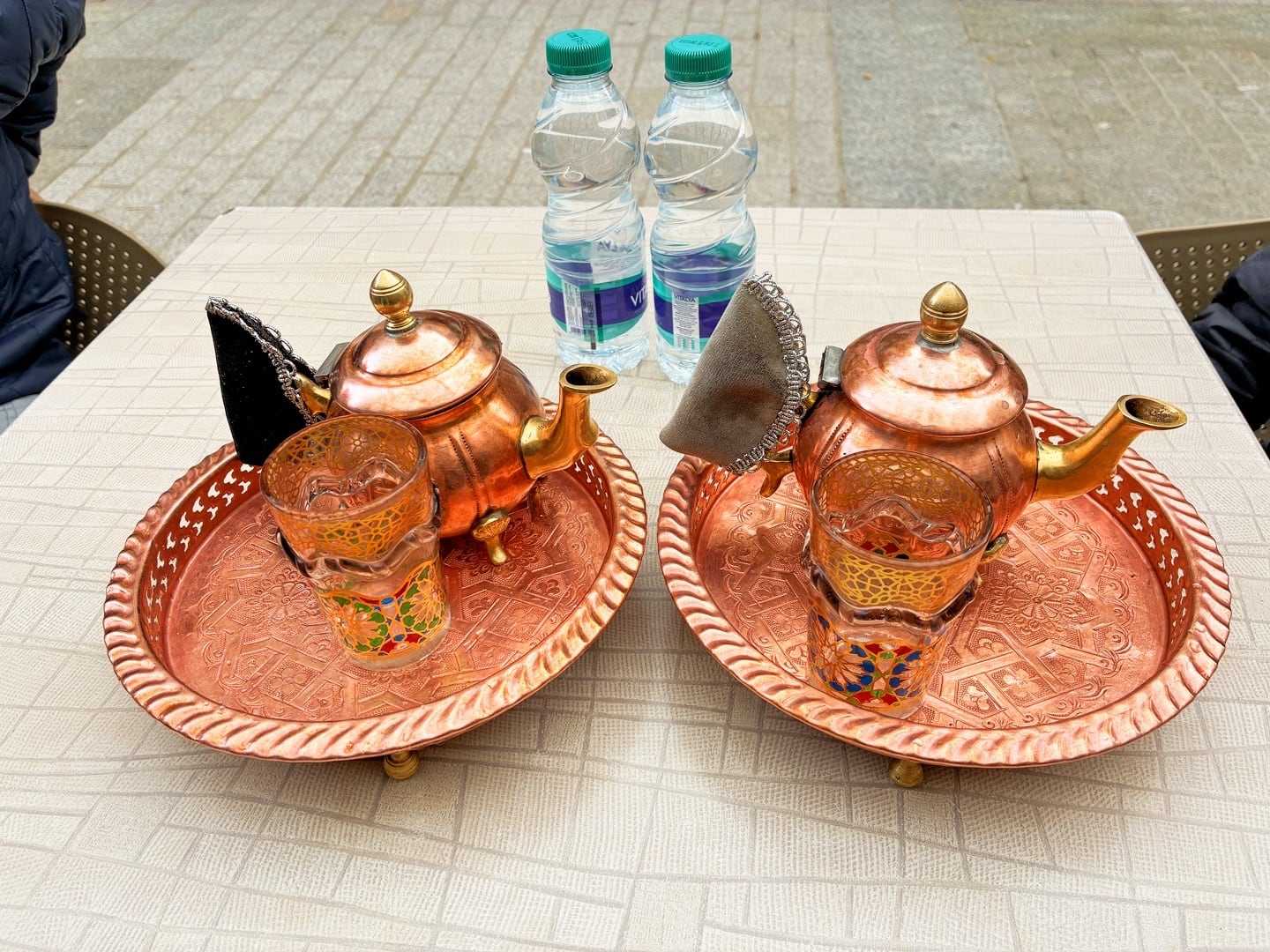
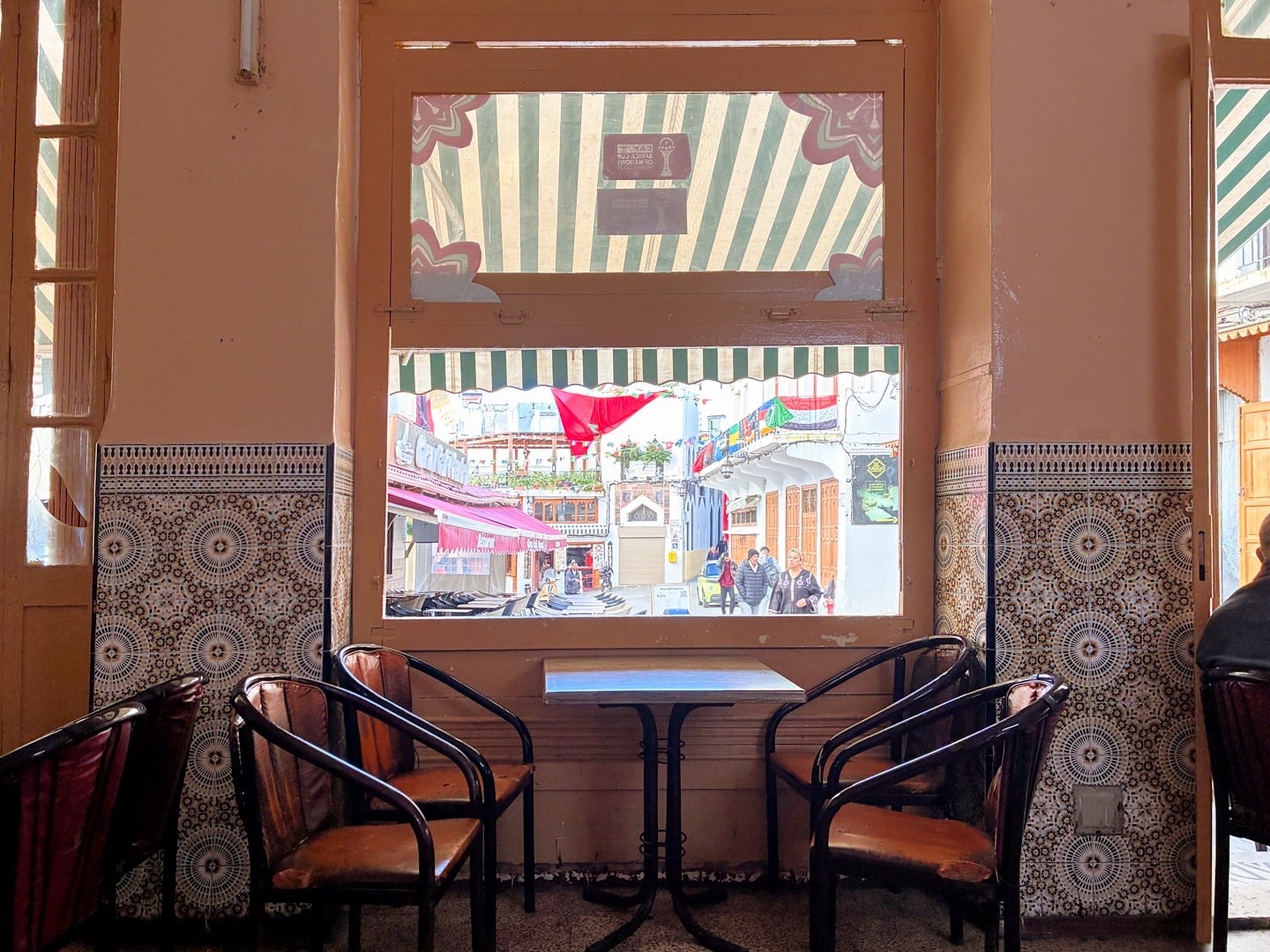
Eventually, you may need a break from walking (particularly in the warmer months). For that, there are seemingly endless numbers of street cafes.
Of them all, the Petit Socco might be the most ideal spot for parking yourself, ordering a mint tea, and watching daily life in the medina unfold.
Iconic Gran Cafe Central is a wonderful place to get your feet wet in this respect, but neighboring Cafe Tingis is also a good bet. Both establishments are steeped in history and lore, having hosted beat poets, rock stars, famous authors and many others over the years.
Today, Petit Socco is still busy, but in a more Moroccan-feeling way.
It’s worth noting here that, in Morocco, most patrons face out in order to people-watch while they sip their mint tea or coffee.
And these sorts of places do not serve alcohol—Morocco is a predominately Muslim and [mostly] dry country, and consuming alcohol in public is strictly taboo (head to the windowless bars of New Town for that sort of fare).
Explore the Kasbah and Its Quiet Lanes
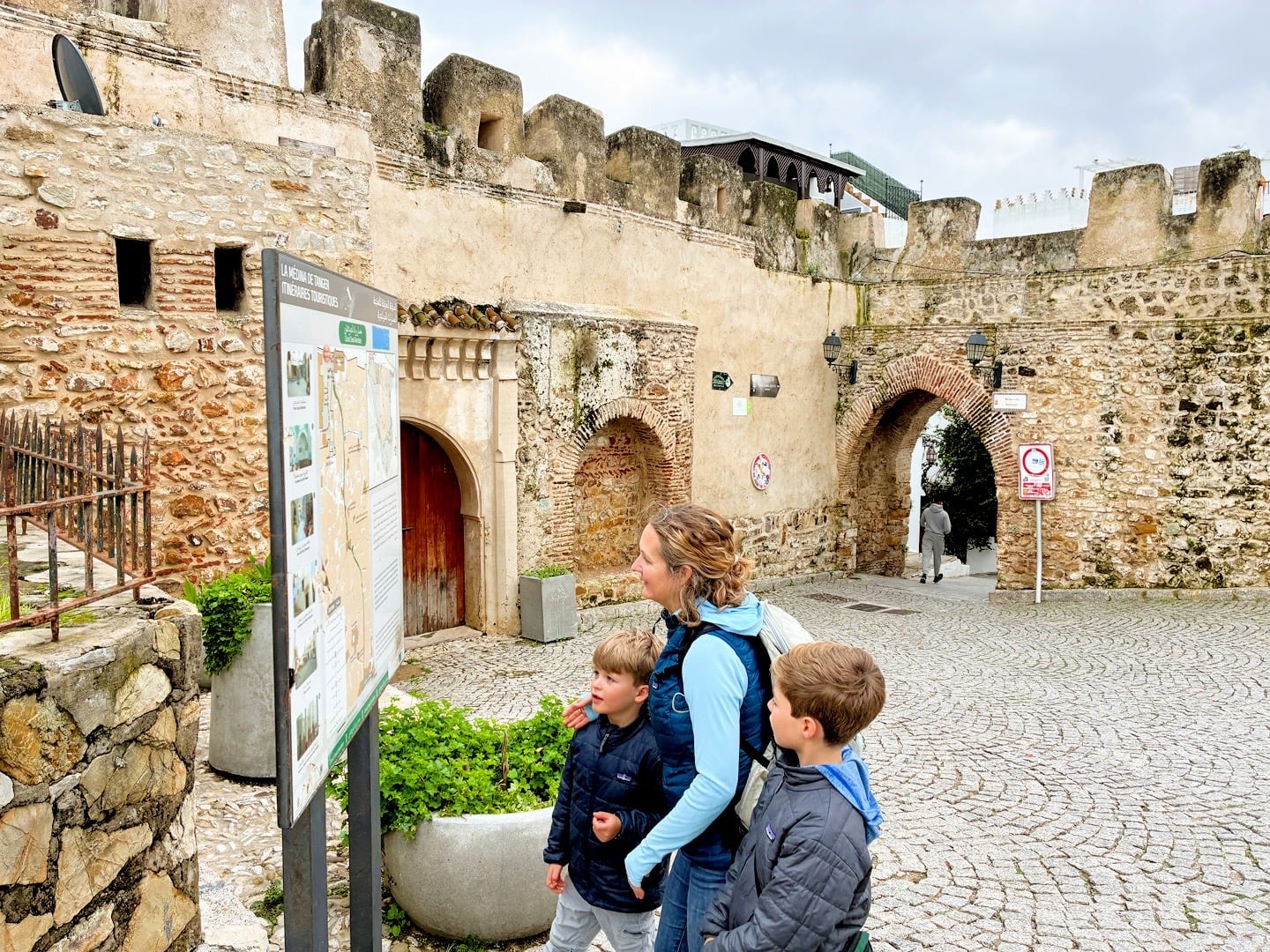
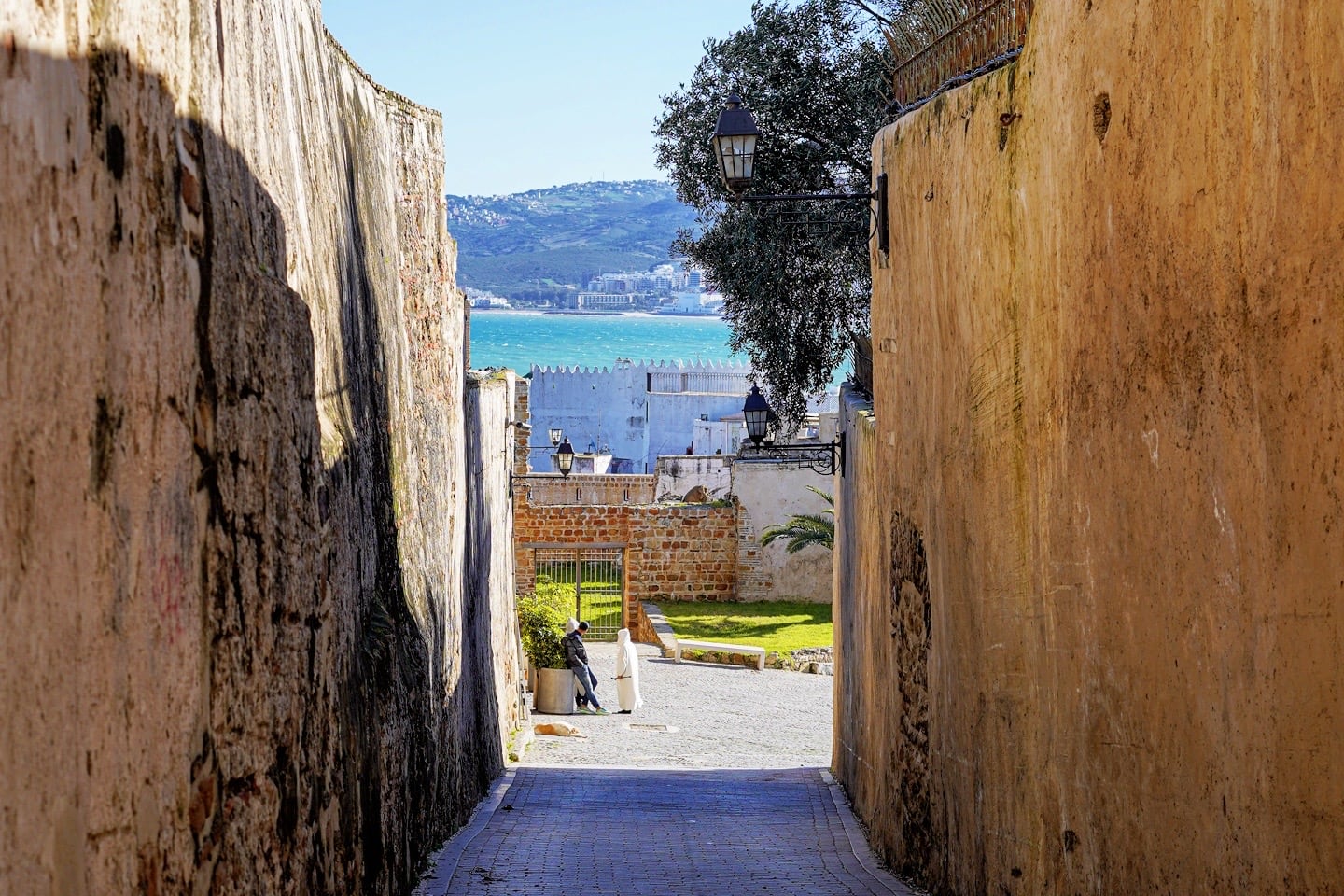
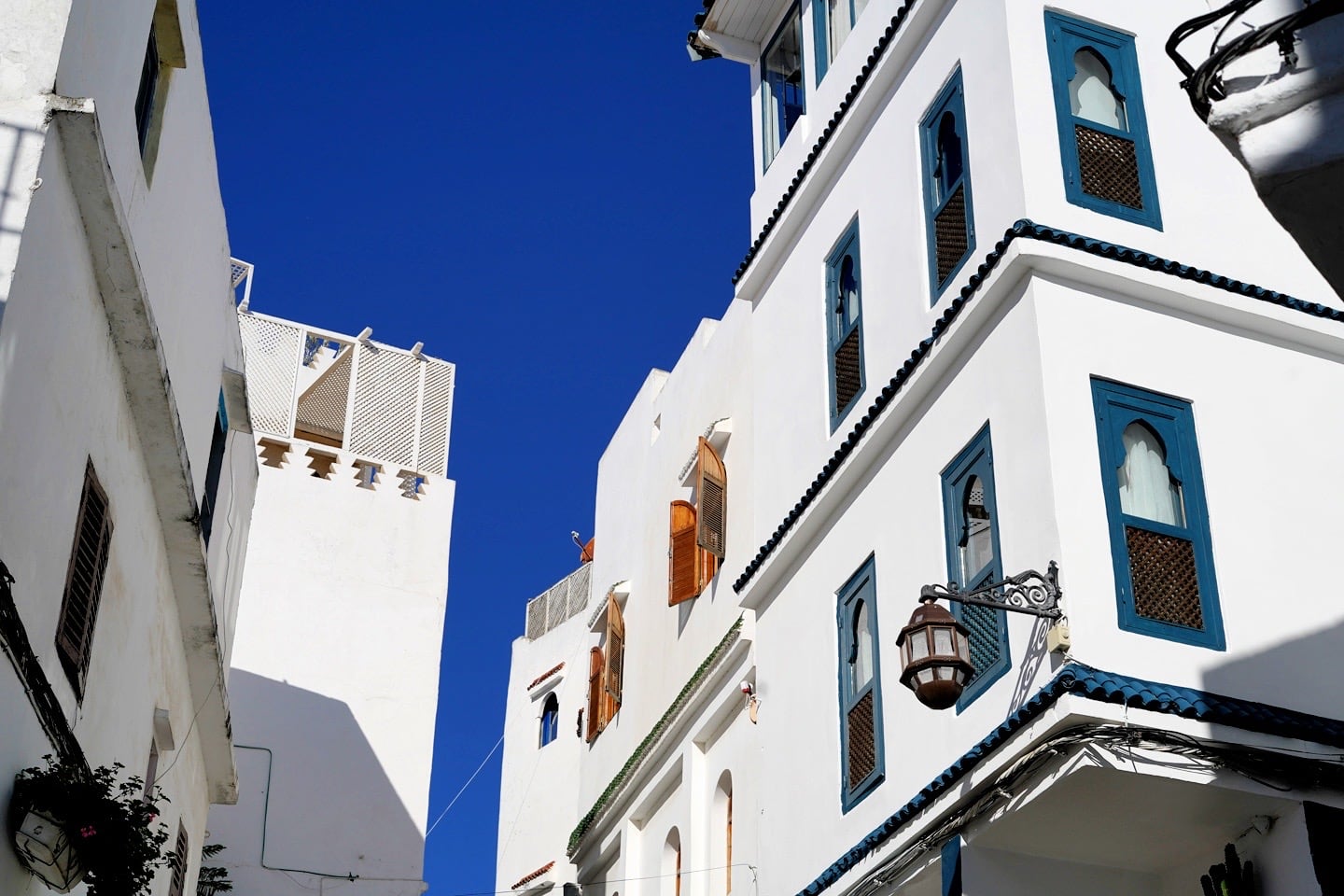
There isn’t much to the Tangier Kasbah these days, but we appreciated the area for offering a calmer alternative to the more bustling areas of the medina farther down the hill.
(I think the uphill climb to the kasbah might help weed out a lot of folks).
This area feels older and more historic than other parts, with exposed brick and stone, and narrower passageways.
The architecture is also a bit different up here, with whitewashed walls, colorful doors, small courtyards, and glimpses of the sea through small doorways. It has a more Mediterranean feeling in some areas.
From the viewpoints here, you can see the Strait of Gibraltar, Port of Tangier Ville, the rooftops of the medina, and ferries crossing to Spain. On a clear day, it almost feels like you can reach out and touch the Spanish coastline.
If you only explore one part of Tangier beyond the main medina, the kasbah is a good bet.
Visit the Kasbah Museum
Located inside the former Sultan’s palace, the Kasbah Museum offers both an interesting overview of this historic area as well as a calm respite from the hustle and bustle of the medina.
The museum is informative, but in all honesty, the building itself is the highlight here. The palace courtyards are beautifully crafted with tiled floors, carved wood ceilings, fountains, and peaceful gardens that feel a world apart from the streets outside.
The exhibits cover Tangier’s long history as a meeting point between cultures and civilizations. There are Roman artifacts, Islamic art, traditional craftsmanship, historical maps, and displays explaining the city’s role during different periods of Moroccan history.
Eat Fresh Seafood Near the Port
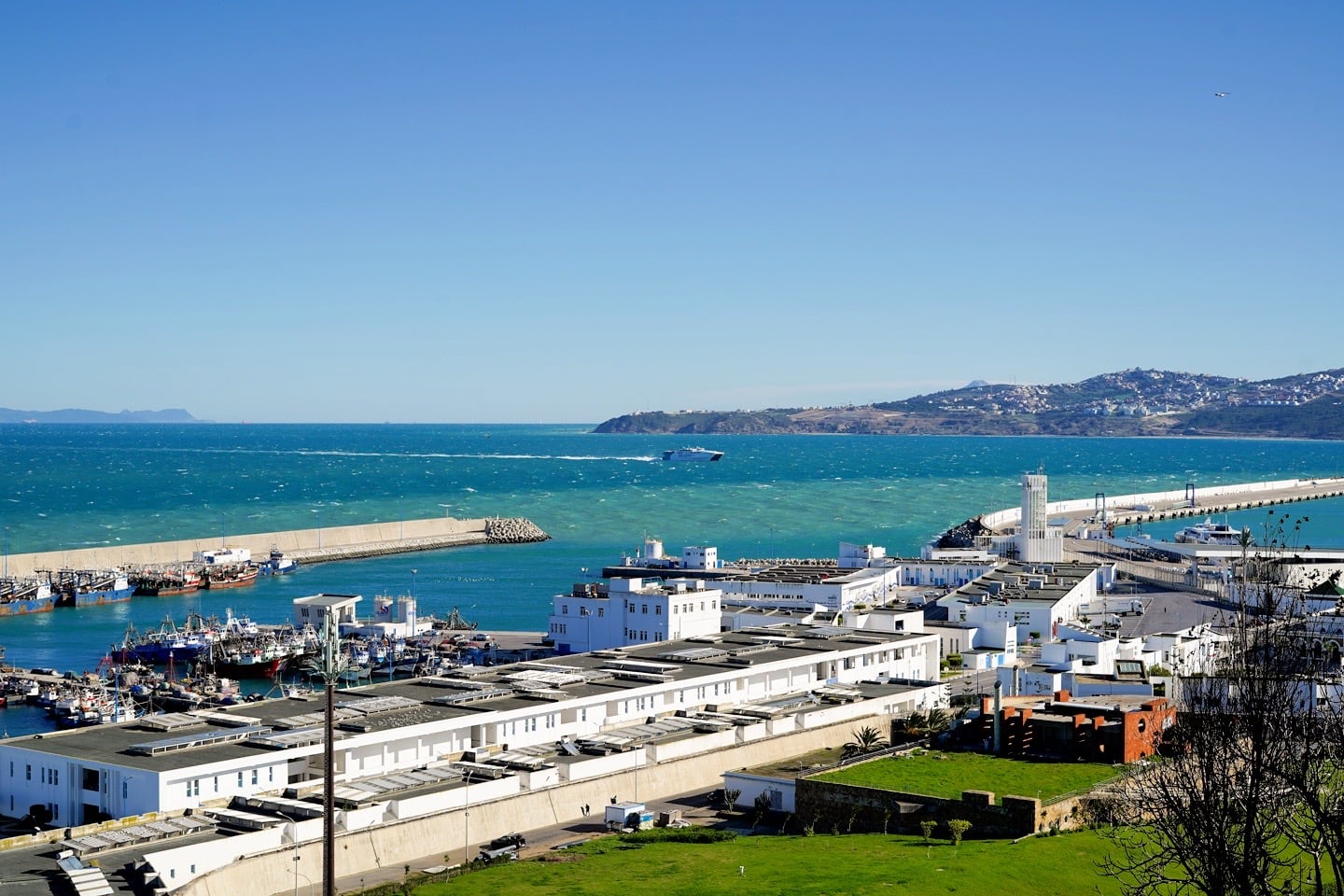
If they’ve got time for a meal in Tangier, most visitors seem to go for the tajine or couscous. But if you’re a seafood fan, you may want to save room.
Tangier’s coastal location has made seafood a big part of the diet and cuisine here—grilled sardines, fried fish platters, shrimp tajines, and calamari are just some of the examples of dishes worth trying.
Tangier’s food scene doesn’t get as much international attention as Marrakesh but we consistently ate very well here.
Seafood Spots Worth Trying
Here are 3 top-rated places to try fresh seafood in Tangier, chosen from consistently well-reviewed spots and places locals and travelers both return to. We’ve included a mix of styles so you can pick depending on your mood—grab-and-go grilled fish, sit-down dining, or a more atmospheric meal near the water.
✪ Grand Socco Area Tucked into a quiet corner a couple of blocks south of the Grand Socco, Saveur de Poisson is one of the best-known seafood restaurants in Tangier, and for good reason. We think this is an ideal place to get your feet wet with iconic Tangier seafood dishes, particularly if you’re only here for one or two days.
✪ Near the Old Port Al Achab Medina is a lively, casual, and energetic option. Located close to the fishing port, this is a good place for locals’ seafood dishes that feel more connected to daily life.
✪ Main Beach / New Town For something a bit more relaxed and scenic, Nono Sea Taste is a good option along Tangier’s waterfront. This is where we’d go if we wanted seafood combined with ocean views and a slower-paced meal rather than a bustling market-style experience.
✪ Hot Tip One thing we learned in Tangier is that seafood here is at its best when it’s kept simple. The closer you are to the port or the sea, the more likely you are to get fish that’s freshly caught that day.
Walk Along the Tangier Corniche
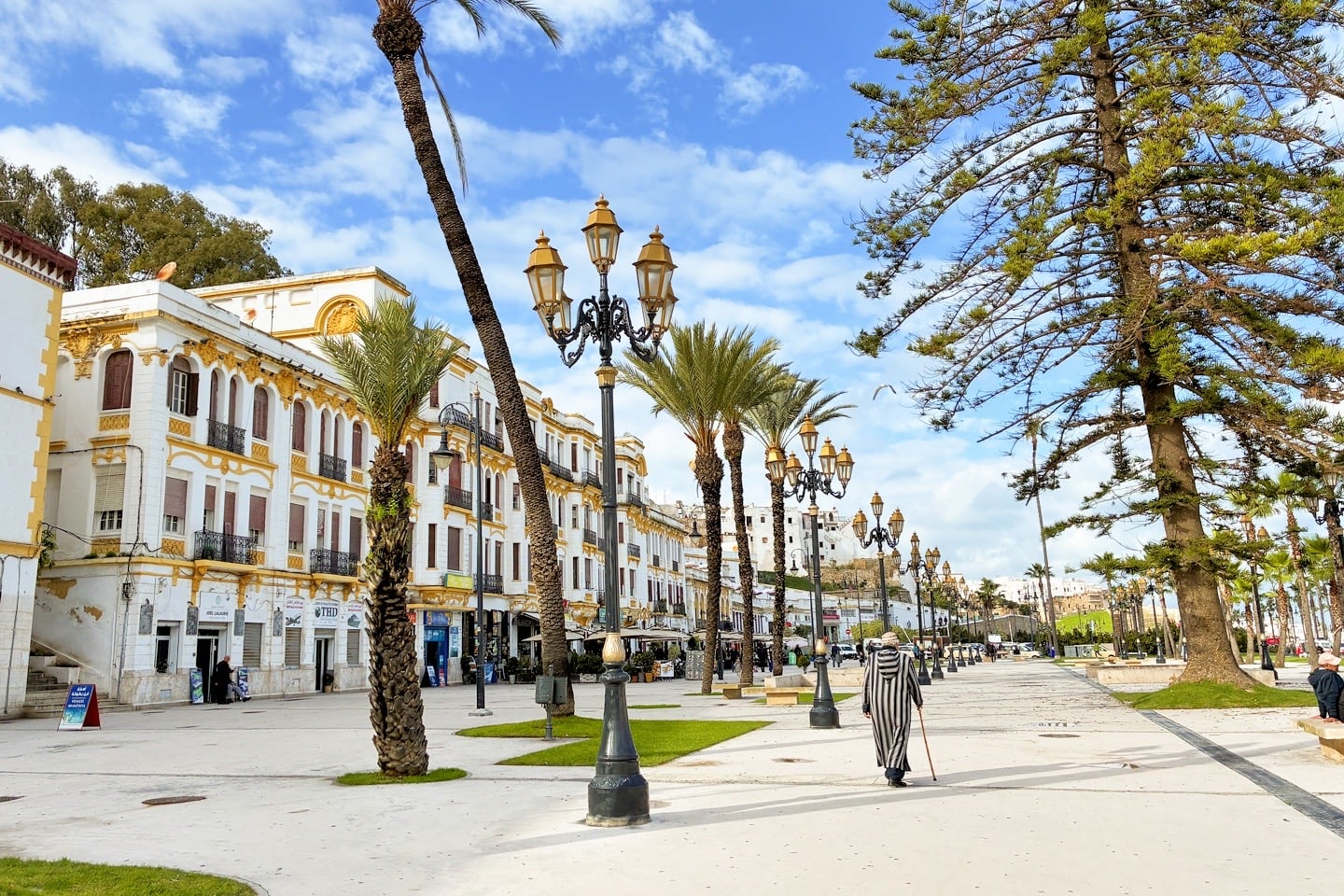
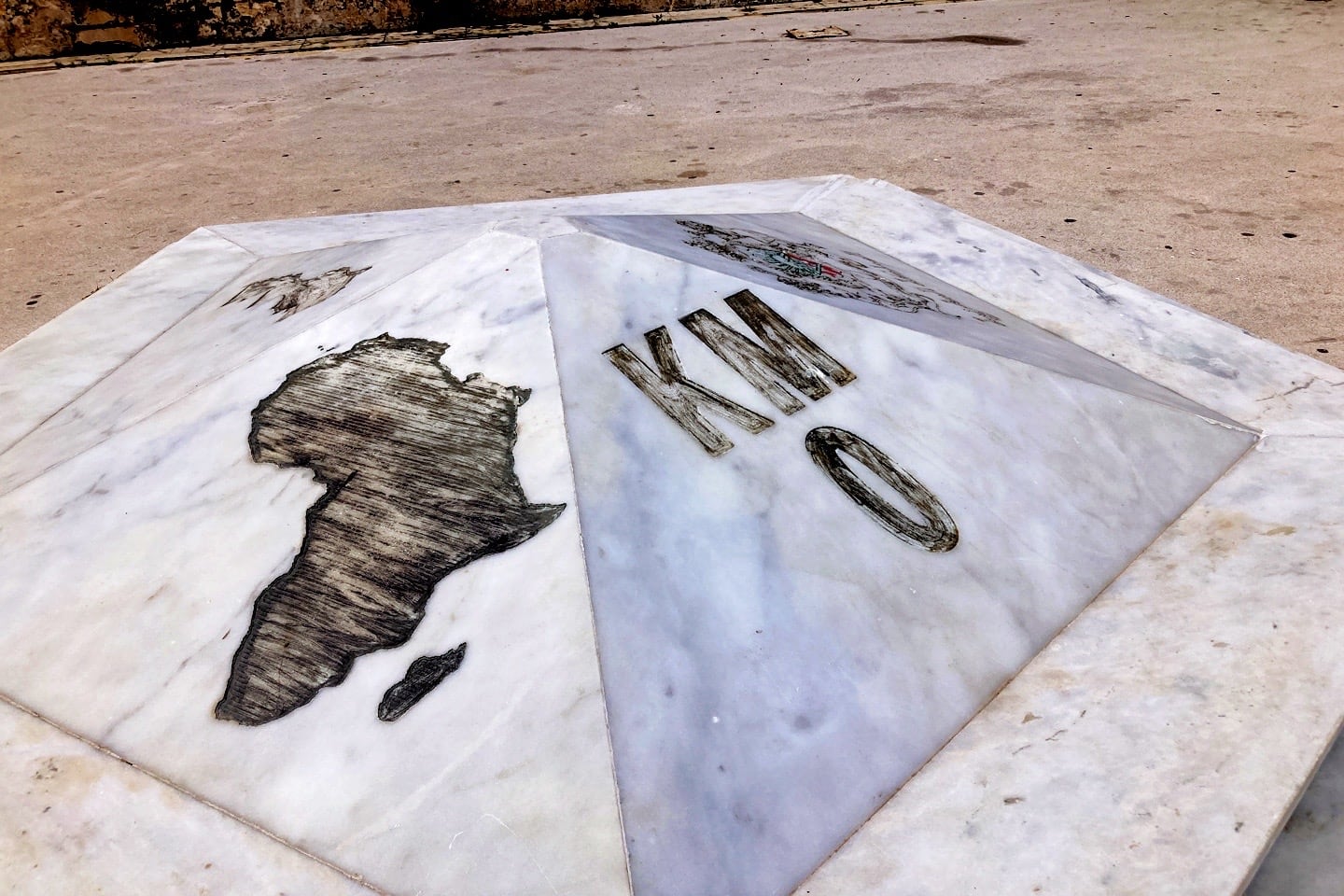
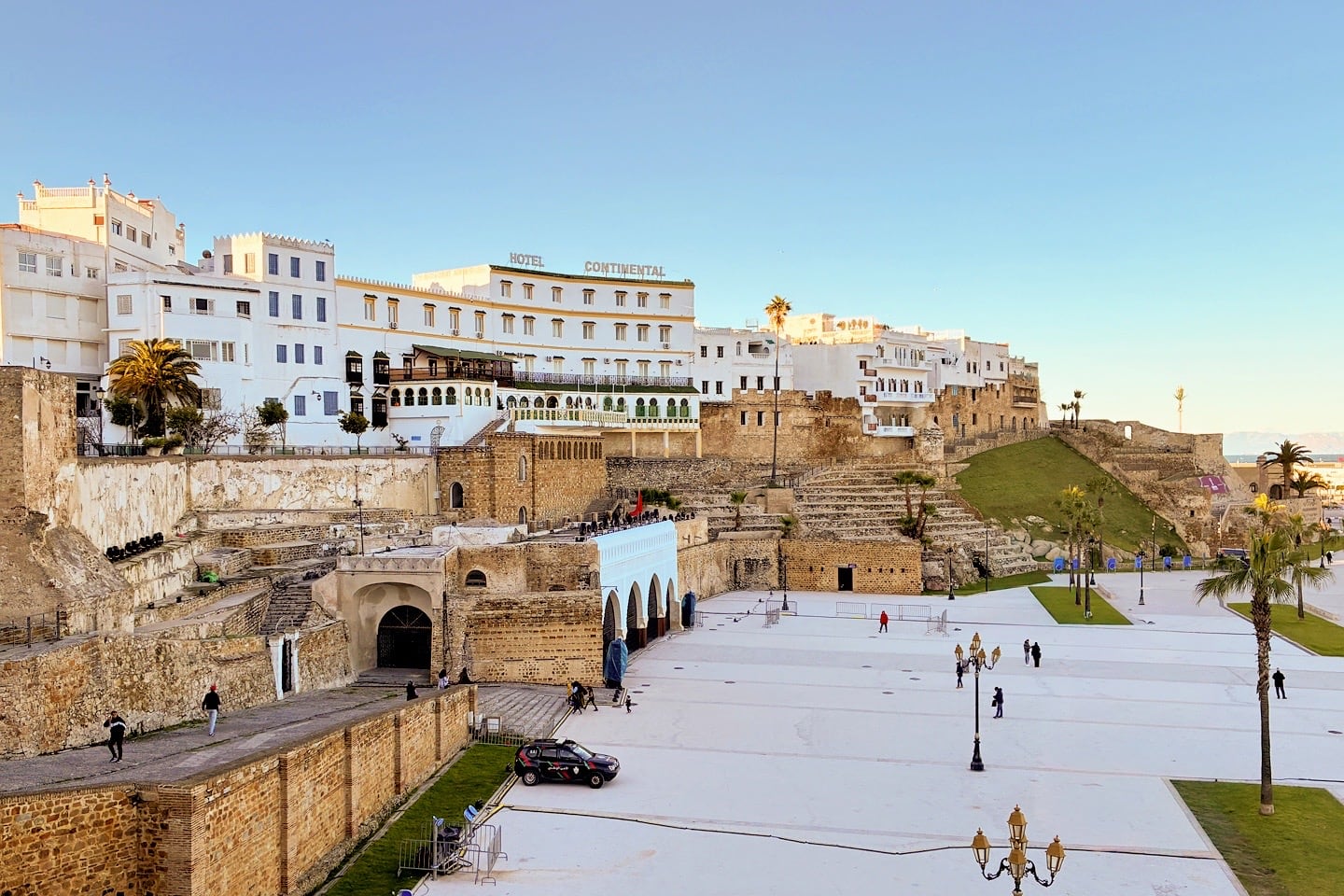
One thing that surprised us about Tangier was how quickly the city turns from ancient to modern once you leave the medina behind.
The Corniche, which stretches along the waterfront, binds the different parts of the city together. And one of the very best things to do in Tangier if you’ve got a bit of extra time is to take a relaxed stroll along this historic promenade.
The paved walkway traces the coast while cafés, hotels, restaurants, and beaches spread out beside the water. Locals gather here in the evenings for walks, coffee, and socializing, especially around sunset.
Walking along the Corniche can feel refreshing after a long day of navigating the medina’s crowds and network of alleyways. The sea breeze helps. So does the open space.
We found the contrast between the old city and the waterfront striking, and it ended up being one of the things we appreciated most about Tangier. The city offers a surprising many vibes to fit your mood.
Stroll Ville Nouvelle & the Beach
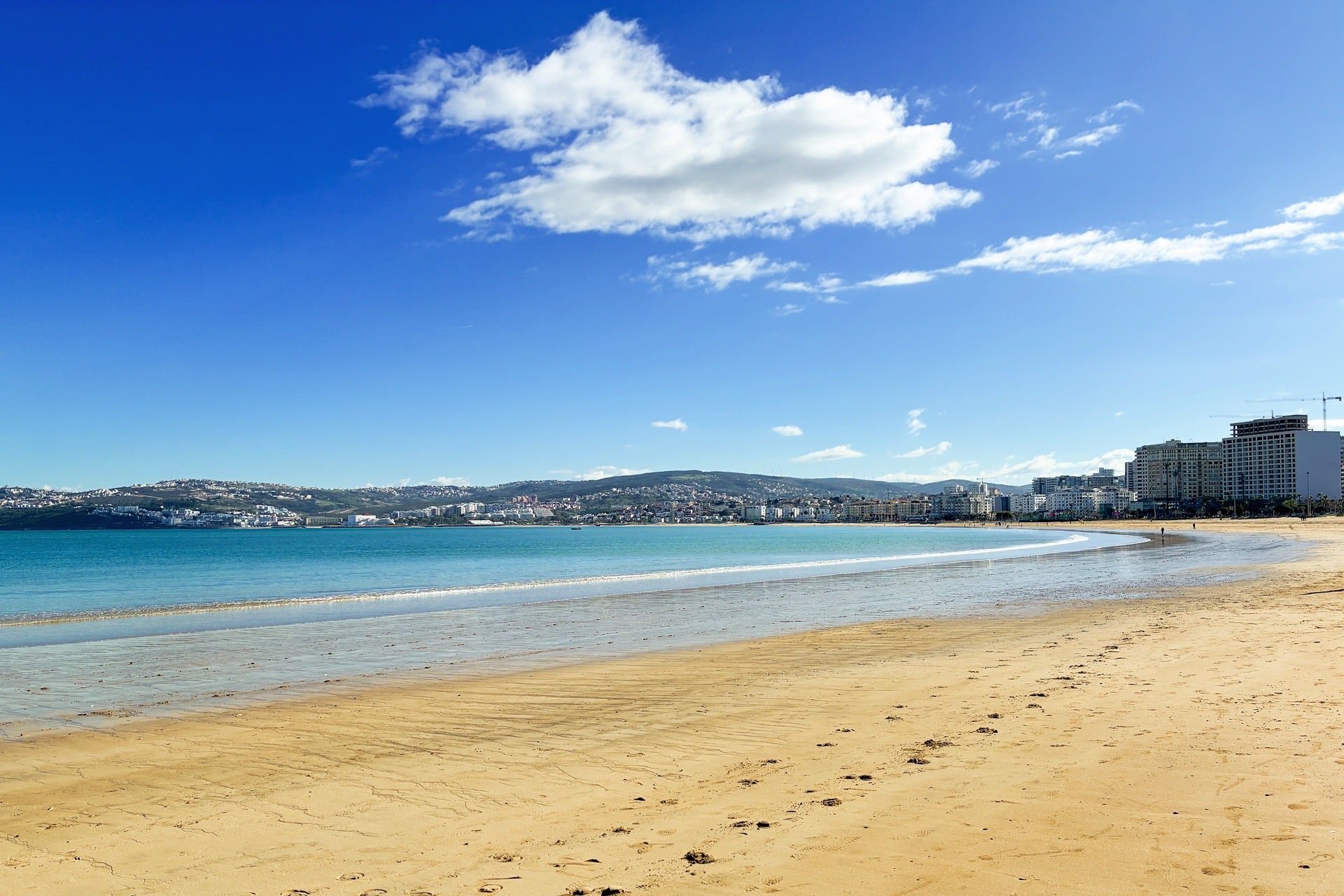
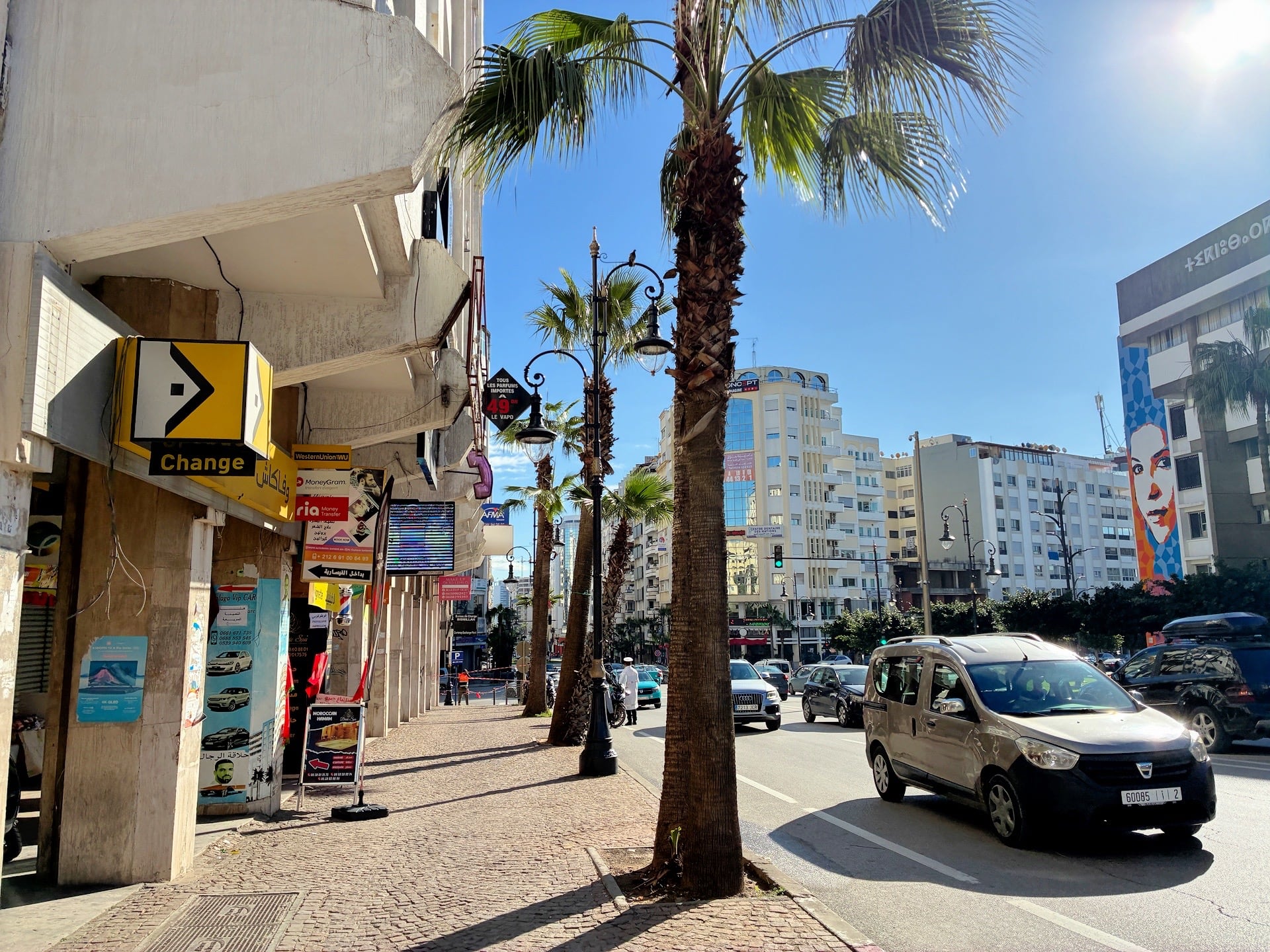
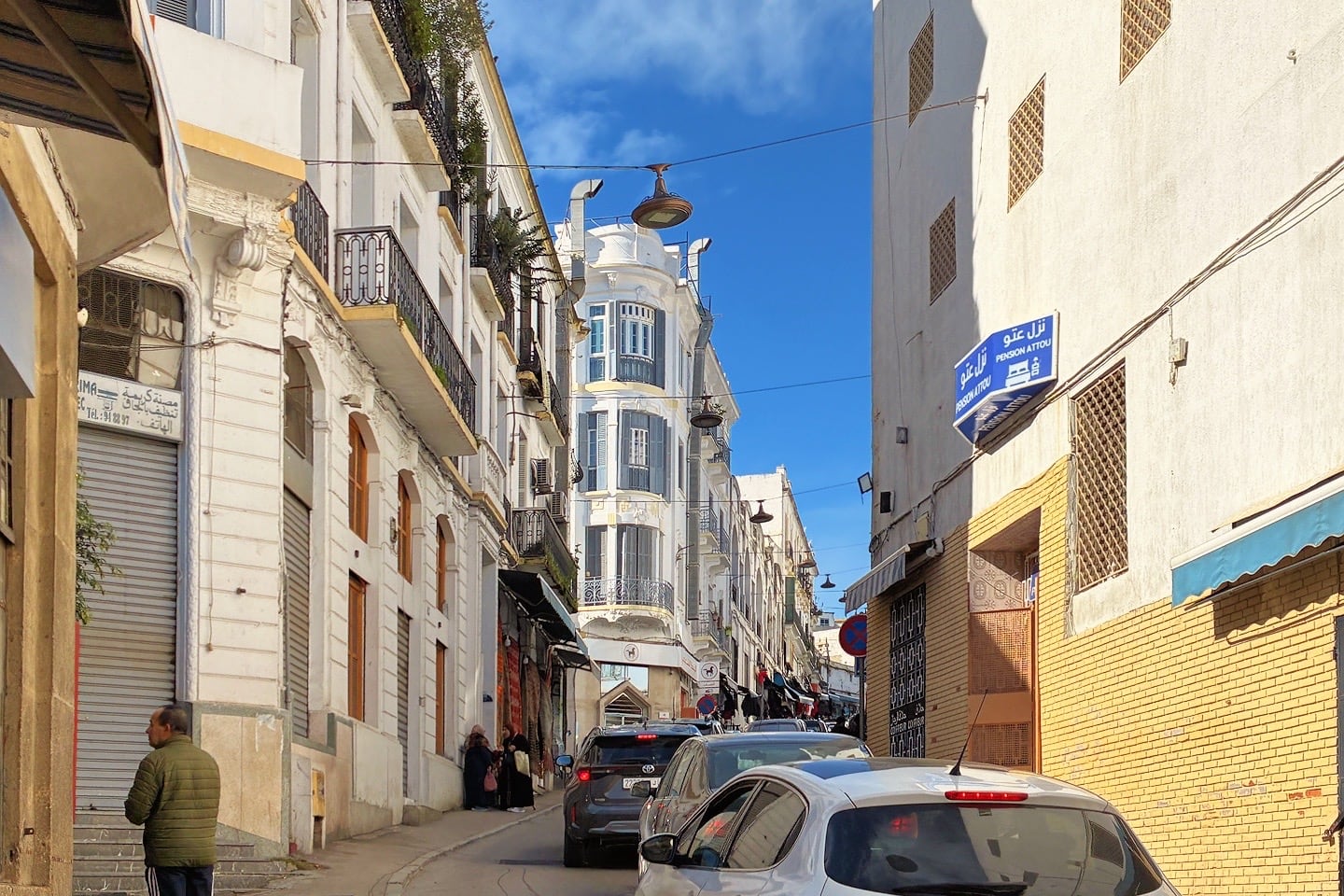
Along those same lines, we think a visit to Tangier isn’t complete without following the Corniche or Ave. Mohammed V from the medina eastward to New Town and its golden strand.
After spending time in Tangier’s medina, we eventually wandered into the French Ville Nouvelle, or New Town, which felt to us like a completely different city.
The narrow alleyways and historic buildings gave way to wide boulevards, European-style architecture, palm-lined streets, and sprawling cafés filled with locals lingering over coffee.
This is where Tangier’s international history still shines through. French, Spanish, and Moroccan influences all seem to overlap here.
A bit farther afield, the Plage Municipale (Municipal Beach) stretches widely along the bay and offers excellent views back toward the Old City, with the medina and kasbah rising above the port in the distance.
In late afternoon, locals gather for evening walks along the promenade. Families relax near the sand, teens and ‘tweens play soccer, and cafés fill as temps cools. It’s a very different vibe from Old Town.
For us, exploring the Ville Nouvelle and Tangier’s beach helped complete the experience of the city. Tangier isn’t just historic alleyways and rooftop views—it’s also a modern coastal city heavily influenced by both sides of the Strait of Gibraltar.
Visit Cap Spartel & Caves of Hercules
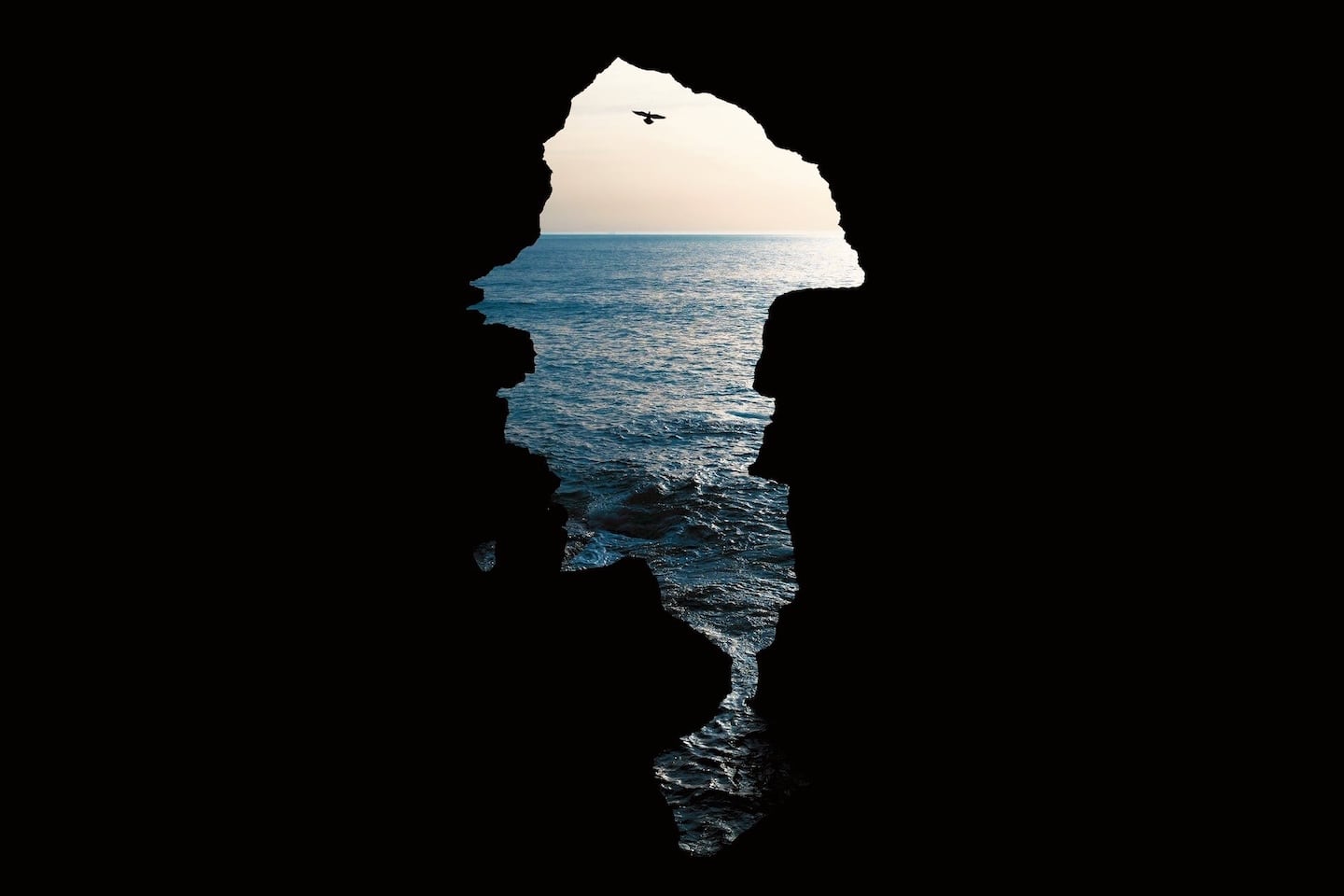
If you’ve got more than one day to spend in Tangier (or one very long day), one of the most popular things to do in Tangier is to take a half-day trip outside of the city center to visit Cap Spartel and the Caves of Hercules.
Cap Spartel sits northwest of the city where the Atlantic Ocean and Mediterranean Sea meet (think Morocco’s version of Portugal’s Cabo de São Vicente (near Sagres). The coastline feels rugged and exposed compared to the more tranquil coastline of central Tangier.
Nearby, the Caves of Hercules are one of the region’s most popular natural attractions. Yep, they’re touristy, but we still think they are worth a visit if you have the time.
The cave opening facing the ocean—which is shaped somewhat like the African continent—draws most of the attention, but the surrounding coastline is beautiful as well.
Getting There
Public transport options are available for getting to both places, but may be a bit intimidating for first-time visitors who don’t speak French or Arabic.
The most practical option of these is to take a Shared Grand Taxis (yellow minivans), which leave for Cap Spartel and Hercules Caves from just east of Place du Koweit [map].
With that said, if you’re short on time and want to avoid hassles, we recommend taking a well-rated tour or shuttle services that includes a stop at both places. This top-rated 3-hour excursion includes a camel ride and is our top pick.
Slow Down and Savor Tangier’s Unique Atmosphere
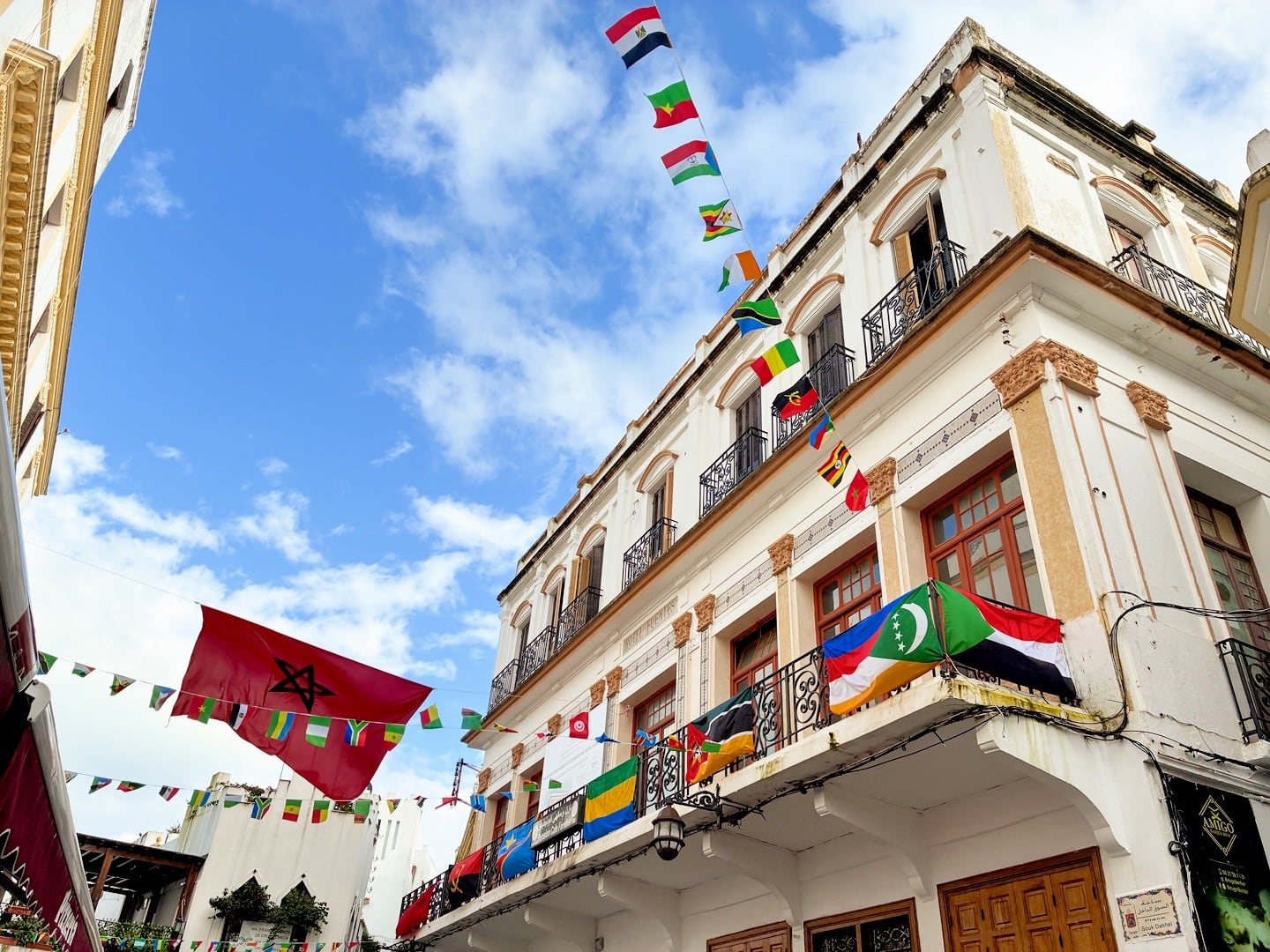
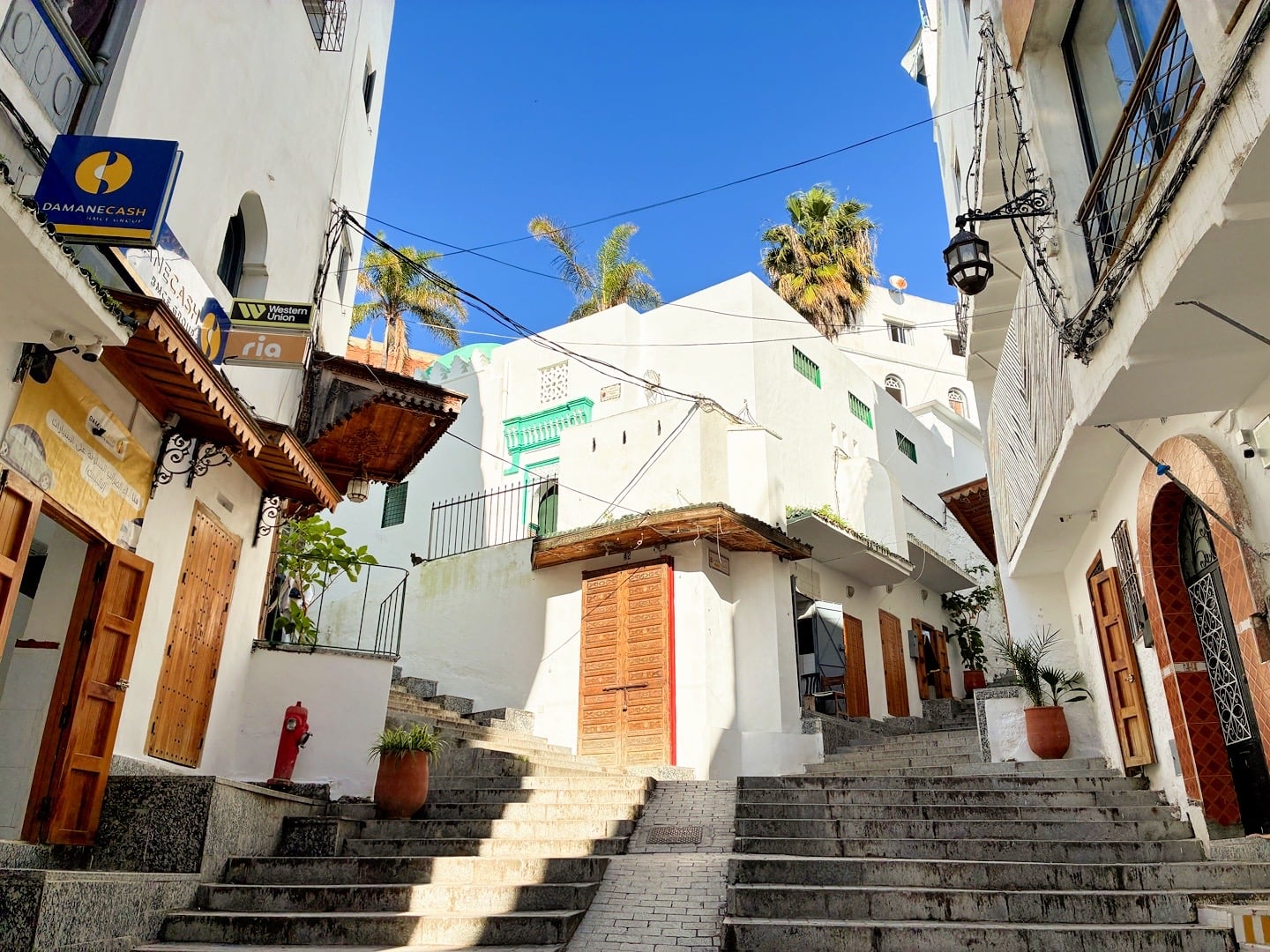
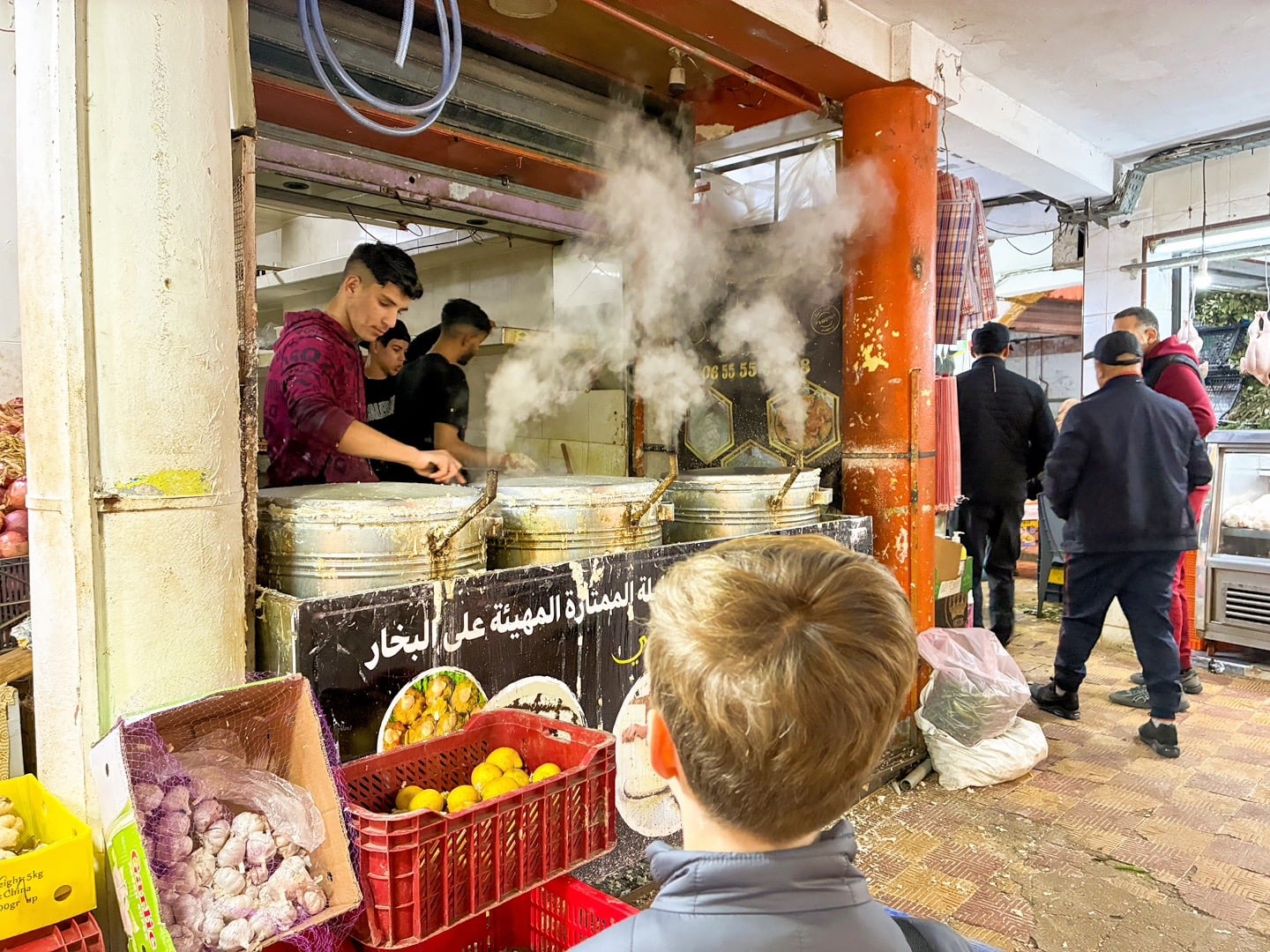
As mentioned previously, our favorite things about (and best memories from) our time in Tangier aren’t the city’s attractions. Rather, it’s the wandering, getting lost, quality time with a mint tea, and other little moments that we’ll likely remember the most.
Tangier conjures a whirlwind of feelings and emotions one minute to the next. It can feel rough around the edges, then suddenly chic and artistic. The city can feel exhausting one moment and deeply relaxing the next.
For us, that constantly changing vibe is what makes Tangier standout among many places we’ve visited on this trip.
If you really want to slow down and do a visit to Tangier justice, we highly recommend staying a night or two (see below for our Tangier hotel rec’s).
How to Get to Tangier
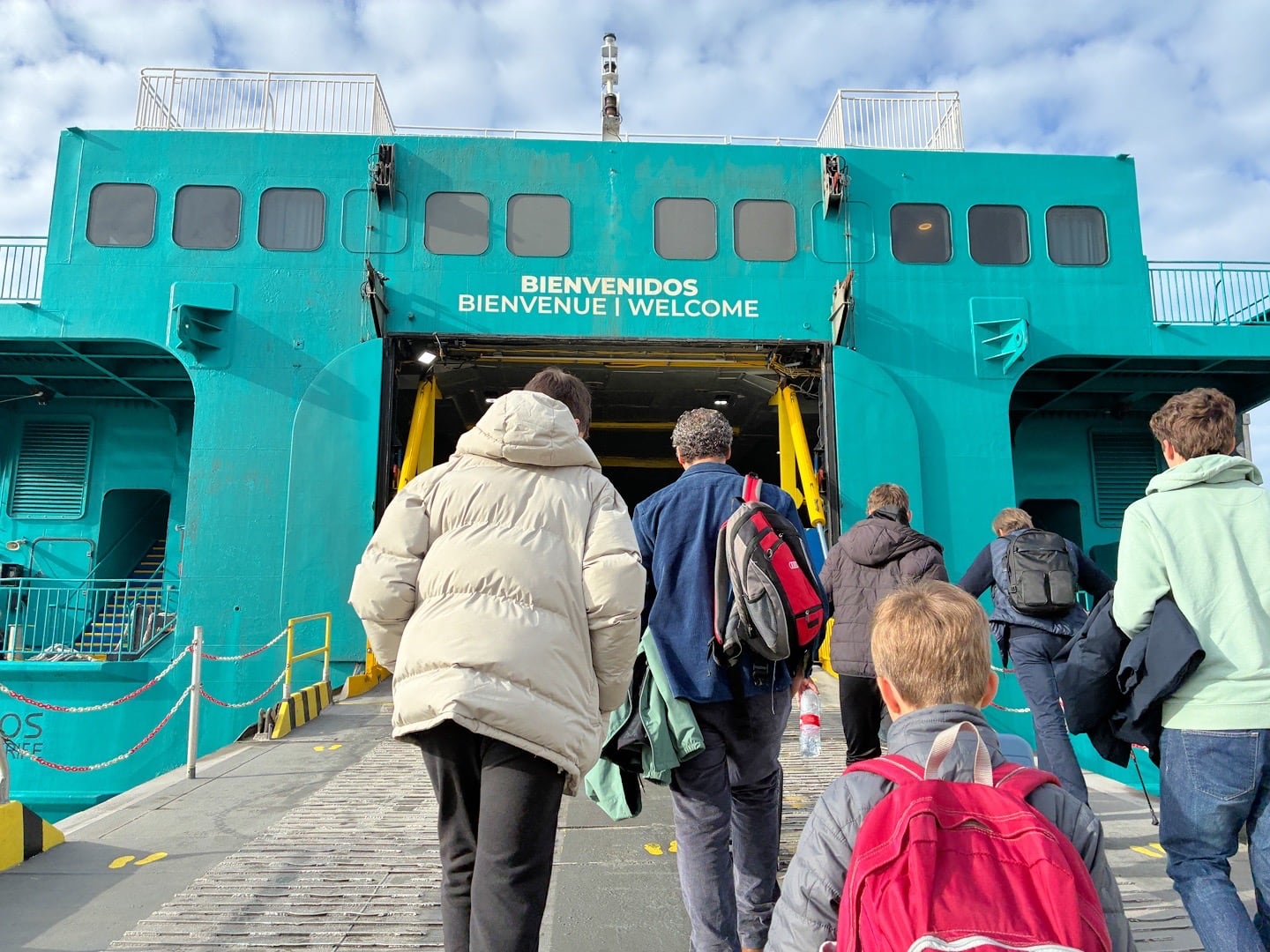
Being located just 20 miles (32 km) from Tarifa (Spain), Tangier might just be the easiest spot on the African continent to reach from Europe.
Compared with destinations located deeper in the country, Tangier feels very connected, both internationally and domestically—even more so these days with the arrival of the high-speed railway connecting Tangier to Rabat and Casablanca.
Whether you’re arriving from Europe, traveling through Morocco by train, or flying in from elsewhere, getting here is pretty darn easy and straightforward.
For us, arriving in Tangier by ferry from Spain felt like part of the adventure itself. Europe slowly disappeared behind us while Morocco came into view ahead, and within a relatively short ferry ride, we found ourselves on another continent encountering different languages, architecture, and cultural aspects.
Arriving by Ferry from Spain
For many travelers, especially those already traveling in southern Spain like we were, the ferry is perhaps the most straightforward (and most memorable) way to reach Tangier.
The most common places to depart by ferry from Spain are Tarifa and Algeciras. The Tarifa to Tangier-Ville route is by far the quickest and simplest for most travelers.
There are currently two main companies plying this route—Balearia and Africa Morocco Link—and honestly, we didn’t see much of a difference between the two.
Tickets can be purchased online, at the ferry terminal, or as part of a day tour. If you’re on a tight schedule and want to get the most out of your day in Tangier, we think it’s more than worth it to do a tour.
✪ Here are the top-rated tours we would consider if we were planning a day trip from Spain (all trips offer free cancellation):
- Tangier Day Trip from Tarifa (Lunch + Ferry included)
- Tarifa/Algeciras: Tangier Private Day Tour with Ferry Ticket
Ferries cross the Strait of Gibraltar usually in less than an hour, and these days all immigration formalities happen on the ship prior to arrival in Morocco.
From the ferry terminal, it’s a short walk to the historic medina, or you can easily grab a taxi to New Town as well.
✪ Hot Tip One quick word of caution is keep an eye on the weather, especially during the winter months, as severe conditions can impact ferry schedules.
Traveling by Train & Bus within Morocco
After spending time in Tangier, we later used Morocco’s train system elsewhere in the country and found it far more comfortable and efficient than we expected.
Tangier is connected to Morocco’s modern high-speed Al Boraq rail network, which links the city with Rabat and Casablanca. From there, you can transfer to a conventional ONCF train to Marrakesh.
The trains are clean, affordable, and much easier than dealing with long-distance buses or domestic flights for many routes. You can find schedules and purchase tickets at the ONCF Voyages website.
Note that you may have to be in Morocco or using a VPN set to “Morocco” to access the site.
If you plan to head to Fez or the blue city of Chefchaouen, the CTM bus is your best bet. In our experience, CTM buses are safe, comfortable, reliable, and cheap. Tickets can be booked online with a foreign credit card, but you may have to use your browser’s translation tool depending on how proficient you are in French.
Flying into Tangier
Tangier Ibn Battuta Airport also makes the city accessible for travelers arriving directly from Europe or elsewhere in Morocco.
The airport itself is fairly manageable in size and much less chaotic than some larger international airports. Taxis into the city are easy to arrange, though as always in Morocco, agreeing on prices before starting the ride is a good idea unless the meter is clearly being used.
Flying is obviously the fastest option if you’re short on time, but honestly, we still think arriving by ferry gives a much more memorable first impression of Tangier and Morocco as a whole.
Getting Around Once You Arrive
Tangier itself is fairly spread out compared with some Moroccan cities, but most major sights are still relatively accessible.
The medina and kasbah areas are best explored entirely on foot. In fact, trying to navigate those streets by anything other than walking would be next to impossible.
Comfortable shoes are important because the city is surprisingly hilly in places, especially around old town (we opted to trade our sandals for our running shoes).
For longer distances, taxis (both shared and private) are inexpensive and widely available, particularly when getting back and forth between New/Old Towns and returning from outside the city center.
Drivers don’t always speak much English, but basic directions, hotel names, or offline maps usually work fine.
Where to Stay in Tangier
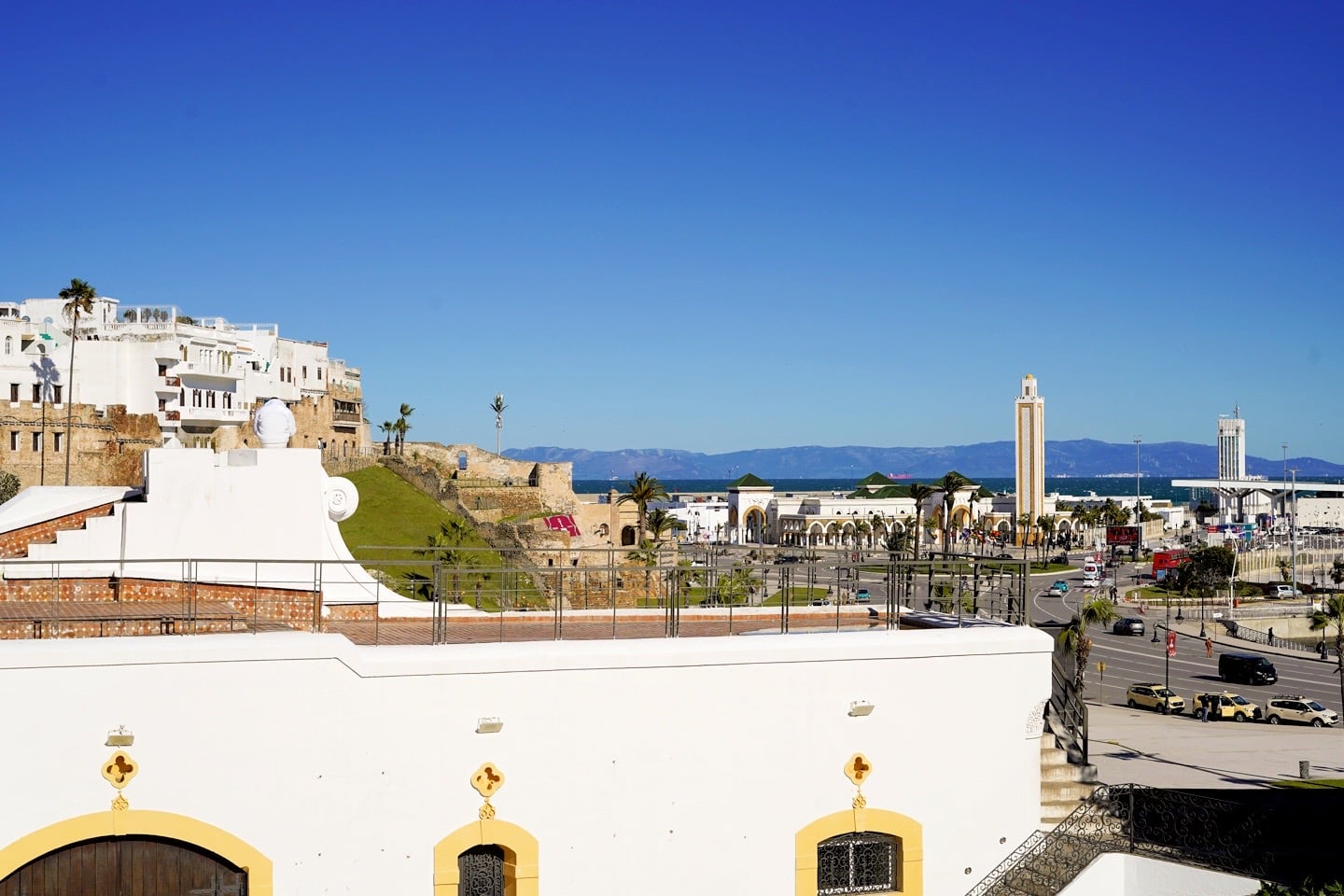
If you opt to spend a night or two, you’ll need a place to stay. We found that where we chose to stay in Tangier shaped our experience of the city more than expected, as each area has its own personality and pros/cons.
Initially, we thought we might want to stay inside the medina, for the vibe and experience. In the end, we decided on a place just outside the old city, but within a short walk of most of the top sights and eating places.
If you’re looking for modern hotels and a bit of nightlife, you’ll probably want to stay along the Corniche/ main beach in New Town. There’s obviously lots of perks to doing this, but keep in mind, it can be a long, hot slog up to the medina.
✪ Our Top Pick inside the Medina Dar Rif Kebdani is a mid-range, one-of-a-kind guesthouse with lots of character and comfort in the heart of the Old City. Rooms are individually designed with colorful Moroccan details, and the rooftop views overlooking the city and sea are worth the nightly rate alone.
✪ Best Medina Riad Stay For a true Moroccan medina experience, look no further than Maison Mouna, a private two-bedroom historic Riad in the heart of the Old City (you get the whole place to yourself!).
One important thing to know before booking inside the medina: many streets are inaccessible by car. That means you may need to walk a short distance with luggage through alleyways when you arrive.
✪ Just Outside of the Medina VillAzancot is a super comfy, top-rated guesthouse a short walk west of Old Town, featuring terraces and balconies with views and breakfast included.
✪ Corniche / New Town Top Pick Fancy a modern stay with pool just steps from Tangier’s main beach? Then check out Marina Bay City Center!
✪ Best Luxury Stay For travelers looking for a high-end stay, Fairmont Tazi Palace Tangier is easily one of the city’s standout luxury properties. This palatial property sits removed from the bustling city below offering a quieter, resort-like atmosphere.
✪ Search Tangier Hotels & Rentals by Location
Final Thoughts
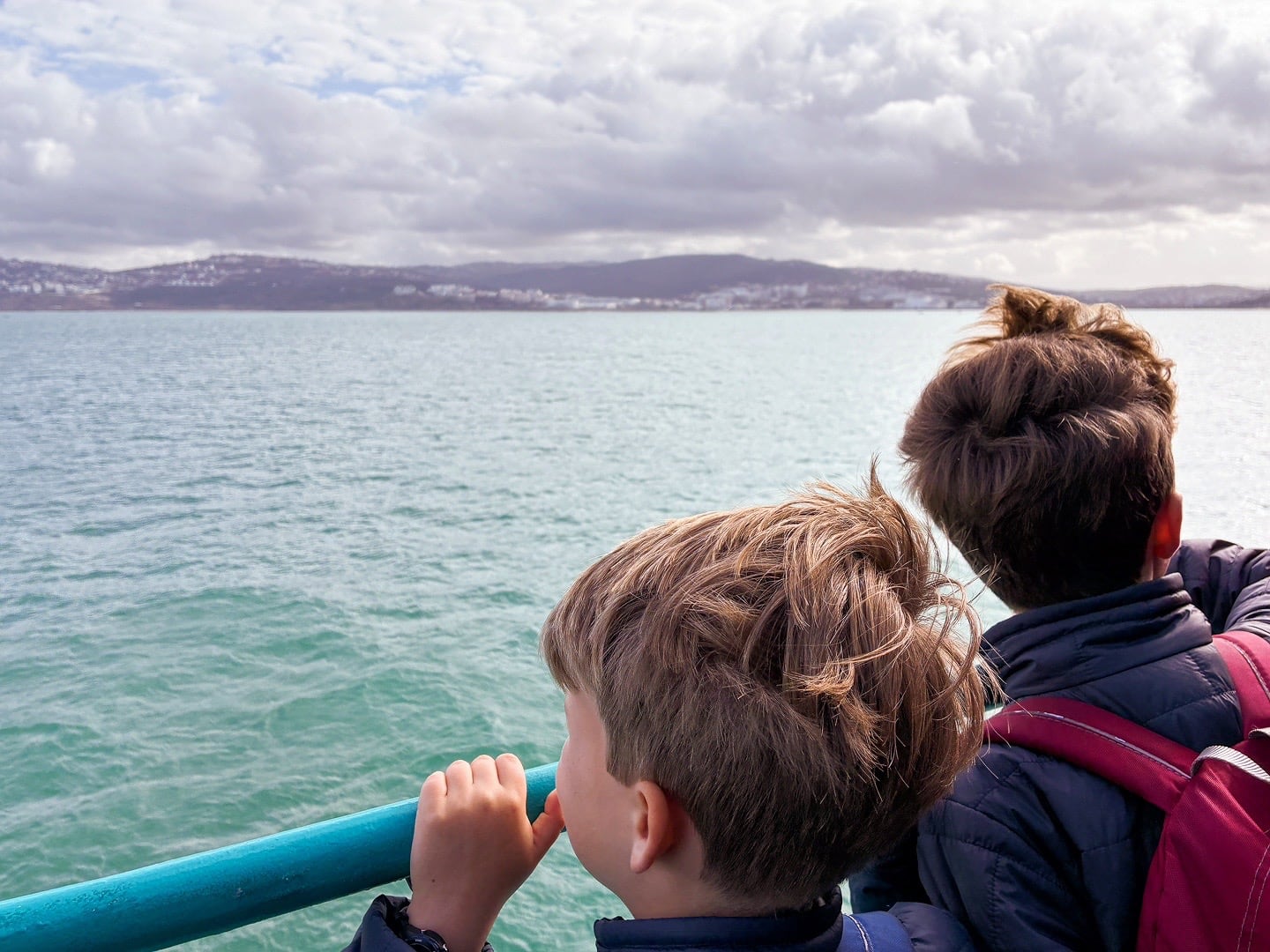
Tangier surprised us.
We expected chaos, history, and atmosphere—and the city certainly has all three—but we didn’t expect how much depth it would have beyond first impressions.
The medina buzzes with life, the kasbah offers quiet corners above the sea, the waterfront feels unexpectedly modern, and the entire city carries a unique story shaped by centuries of exchange between Africa and Europe.
One day in Tangier is enough to experience the highlights, but it’s also enough to leave you curious about the parts you didn’t have time to fully explore.
And in many ways, we think that curiosity somehow feels perfectly suited to Tangier!
Go Next
- Aït Benhaddou (Morocco): 8 Worthwhile Things to Do
- Todra Gorge (Morocco): How to Visit & What to See
- Royal Alcázar of Seville (Spain): How to Plan Your Visit
- Cordoba (Spain): Planning the Perfect Day Trip from Seville
- Ponta da Piedade in Lagos (Portugal): Best Ways to Visit
- Sagres (Portugal): 8 Worthwhile Things to See & Do