
Venice, Italy is one of those places that everyone should experience at least once. But with its growing reputation for crowds, high prices, and overtourism, is the famous Floating City still worth visiting?
Lori and I recently returned to Venice with my parents and our two boys (ages 7 and 10) as part of a larger trip through the region. It was their first visit and my first in 26 years.
A lot has changed in that time. The crowds have certainly grown. But what struck me most was how much Venice itself has stayed the same.
The canals, the bridges, the narrow pedestrian lanes, and the remarkable experience of exploring an entire city without cars are just as captivating as I remembered.
We spent several days exploring independently, visiting famous sights, riding the vaporettos (public water buses), taking a day trip to Murano, and wandering through neighborhoods that felt surprisingly removed from the tourist crowds.
And we came away convinced that Venice is still absolutely worth visiting—provided you approach it with the right expectations and a little planning.
Here are 12 worthwhile things to do in Venice, Italy, based on our own experiences, plus practical tips for making the most of one, two, or three days in this extraordinary city.
Start your trip planning here (like we did):
▸ Compare Venice hotels & apartments
▸ Browse St. Mark’s Basilica & Campanille Tours
This post contains affiliate links. If you click and make a purchase, we might receive a commission (at no added cost to you). Thanks for supporting independent, ad-free blogs!
Why Visit Venice, Italy?
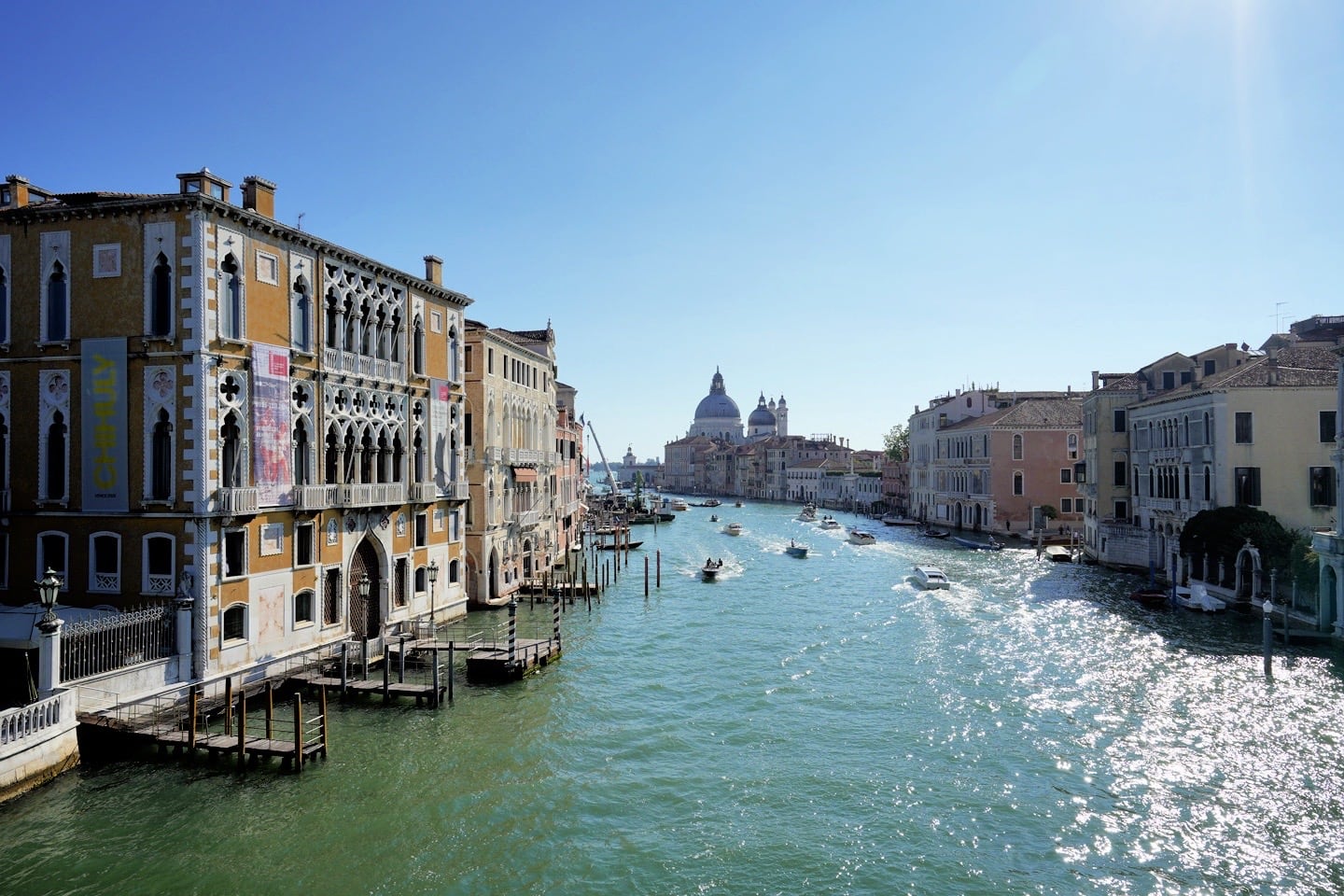
Venice has developed something of a reputation in recent years. Crowded canals, overpriced gondola rides, packed piazzas, and seemingly endless tour groups have led some travelers to wonder whether the famous Floating City is even worth visiting anymore.
Having returned to Venice after a quarter of a century, I can understand some of the criticism. There are parts of the city where tourism seems to have taken over almost completely.
But here’s the thing. Venice is still Venice. And there’s simply nowhere else quite like it.
Few places in the world offer the experience of wandering an entire historic city without cars, crossing centuries-old bridges, catching public transportation along a canal, or stumbling upon a quiet neighborhood square just a few minutes from one of Europe’s busiest tourist attractions.
During our recent visit, Lori and I spent several days exploring Venice with three generations of our family. We visited the famous sights, of course. But some of our favorite moments came from wandering the backstreets of Dorsoduro and Cannaregio, stopping for a meal beside a canal, and simply enjoying the unusual rhythm of everyday life in this remarkable city.
The key, we think, is to approach Venice with realistic expectations and a little planning.
If you spend your entire visit following the crowds between St. Mark’s Square and the Rialto Bridge, you might come away wondering what all the fuss is about.
Give yourself time to explore beyond those busy corridors, however, and Venice can still be every bit as rewarding as its reputation suggests.
And that’s the Venice we hope to help you experience in this guide.
12 Worthwhile Things to Do in Venice, Italy
① Get Lost in Venice’s Canal-Lined Backstreets
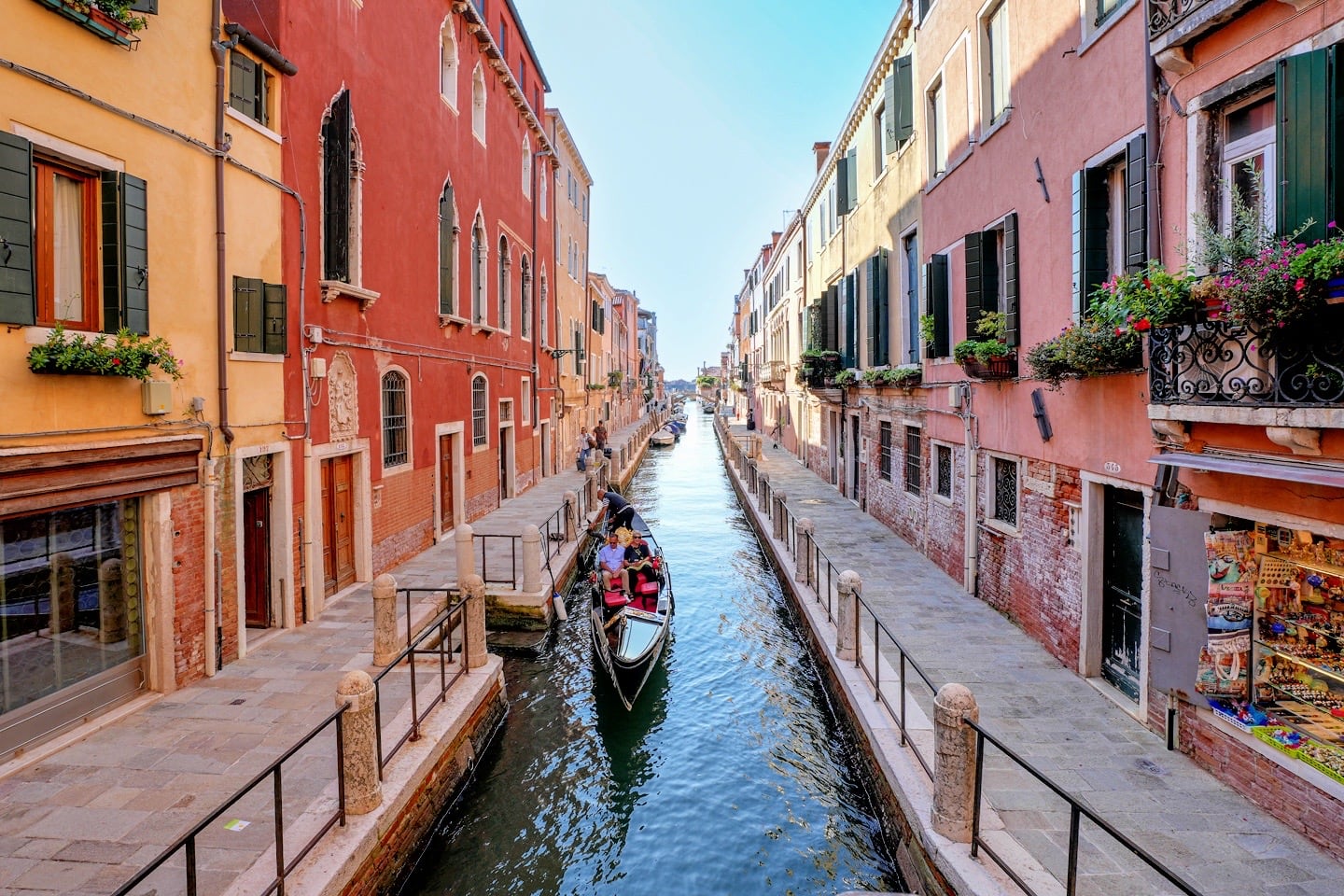
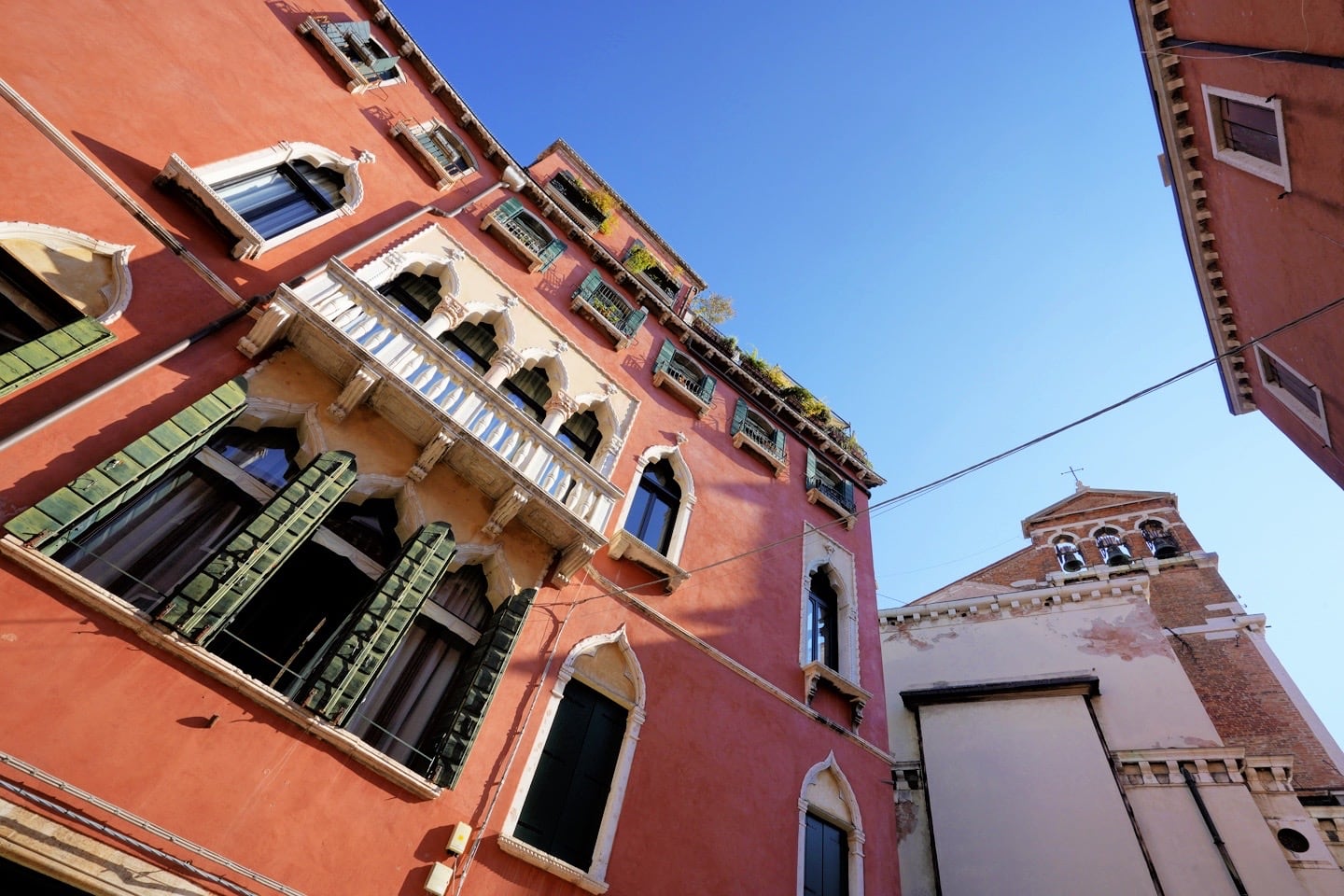
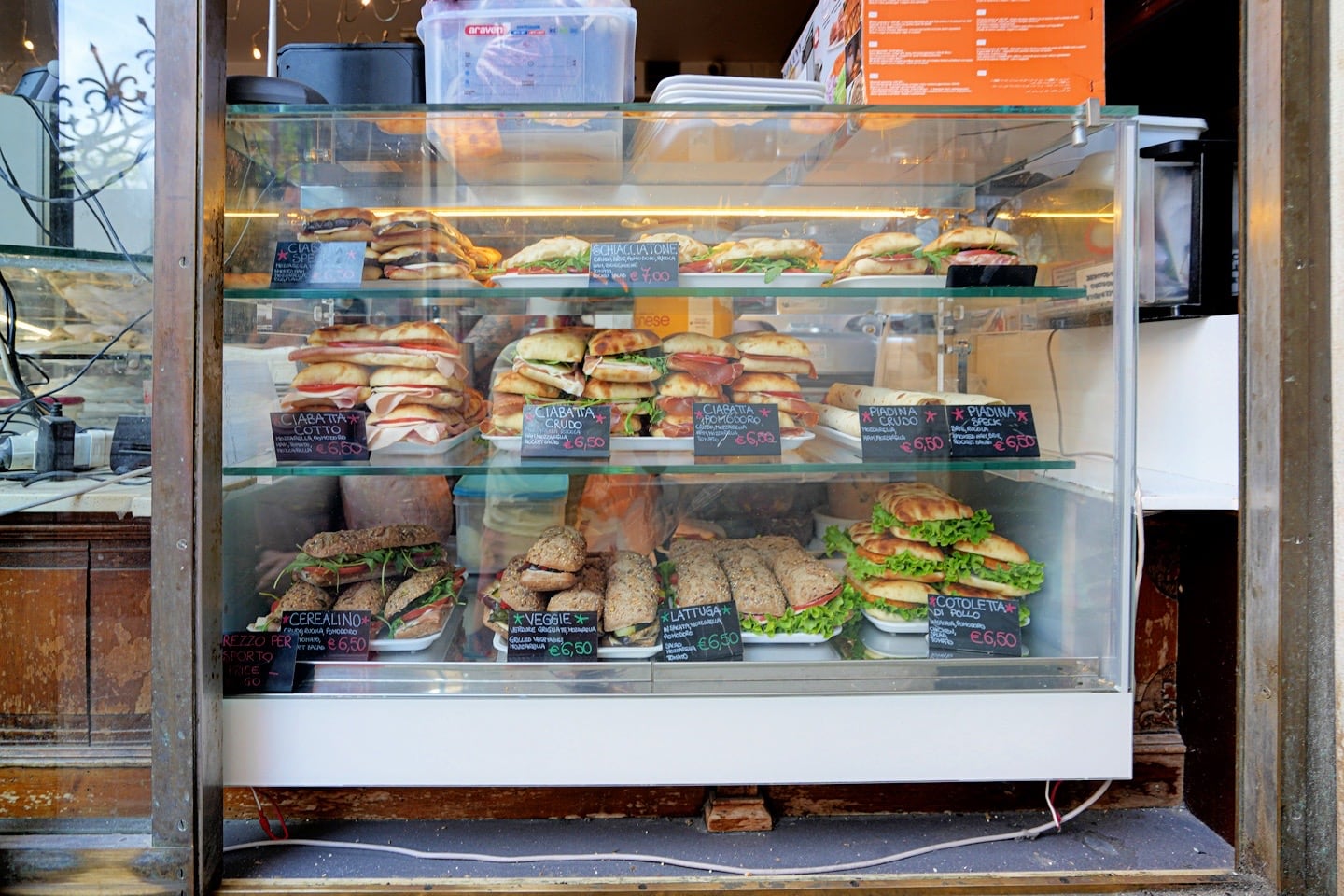
If we could recommend just one thing to do in Venice, it wouldn’t be visiting a famous church, taking a gondola ride, or even cruising along the Grand Canal.
It would be walking.
More specifically, walking without much of an agenda and seeing where Venice takes you.
One of the things we appreciated most about Venice was being able to wander through an entire city without worrying about cars, traffic lights, or busy intersections.
Instead, you find yourself navigating a seemingly endless network of narrow pedestrian lanes, stone bridges, tiny squares, and canals.
Some streets lead to magnificent churches or bustling piazzas. Others end abruptly at the water, forcing you to retrace your steps and try another route.
And that’s half the fun.
During our visit, we spent a considerable amount of time doing exactly this. With three generations traveling together, we weren’t particularly interested in racing from one attraction to the next.
We wanted to experience Venice.
And some of our favorite moments came from wandering into quiet residential areas where the crowds thinned out and everyday Venetian life carried on around us.
Our advice? Put away your sightseeing checklist for an hour or two and follow whichever narrow lane looks interesting.
You’re bound to get turned around at some point. But in Venice, that’s not necessarily a bad thing.
✪ Traveler Tip Venice is compact, but don’t underestimate how much walking you’ll do. All those little bridges add up, particularly when traveling with young children or older family members. Comfortable shoes are essential.
② Explore St. Mark’s Square and Basilica
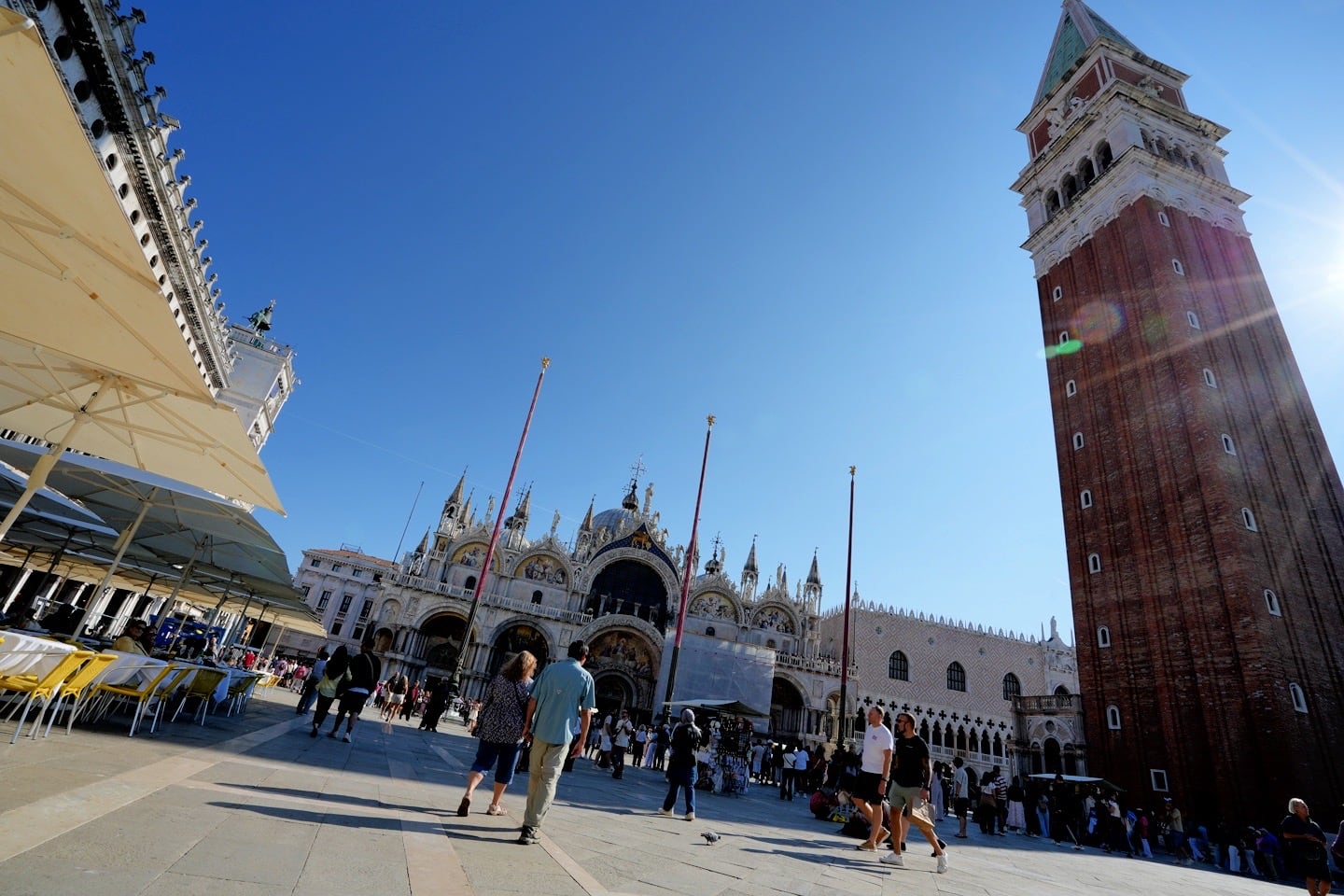
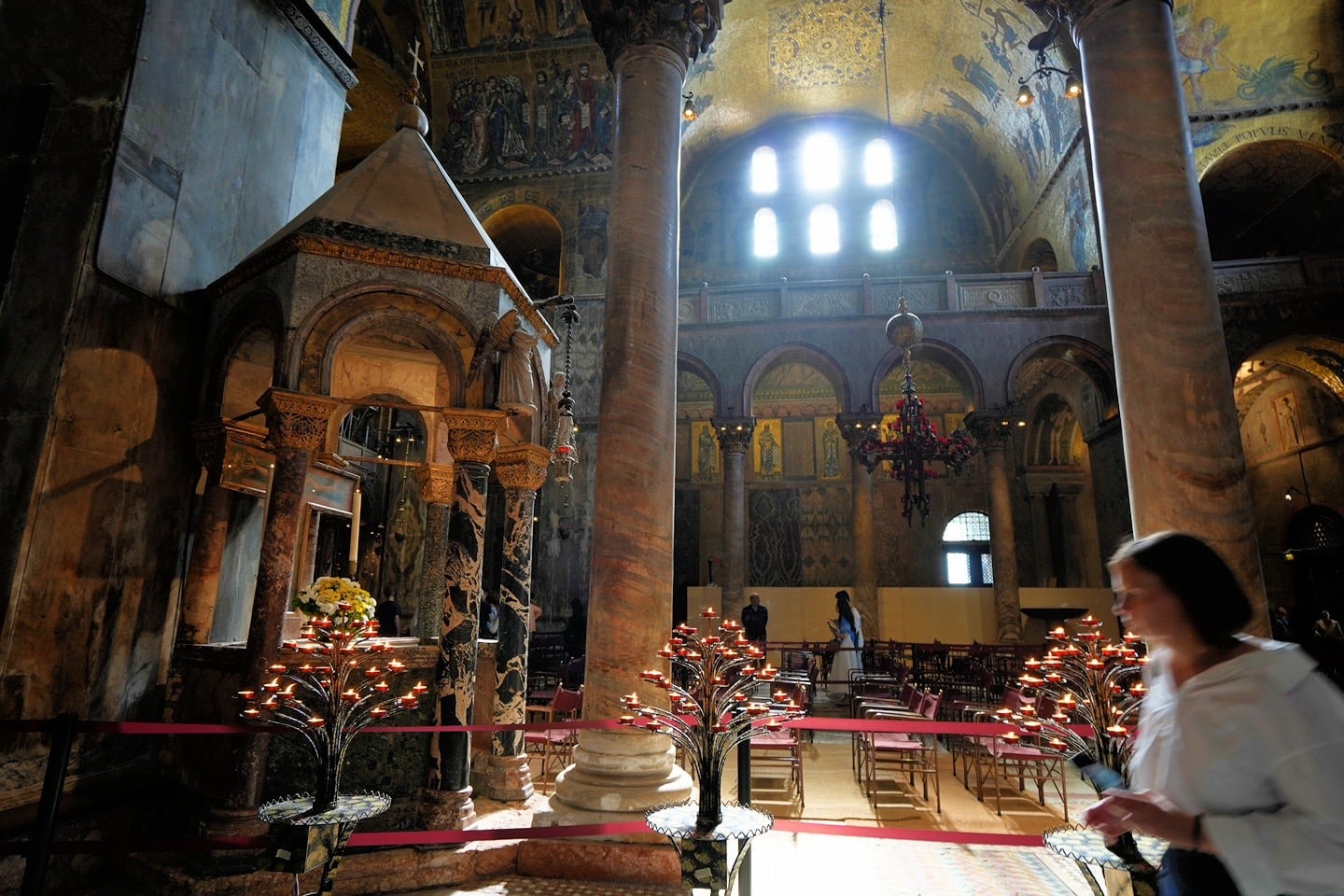
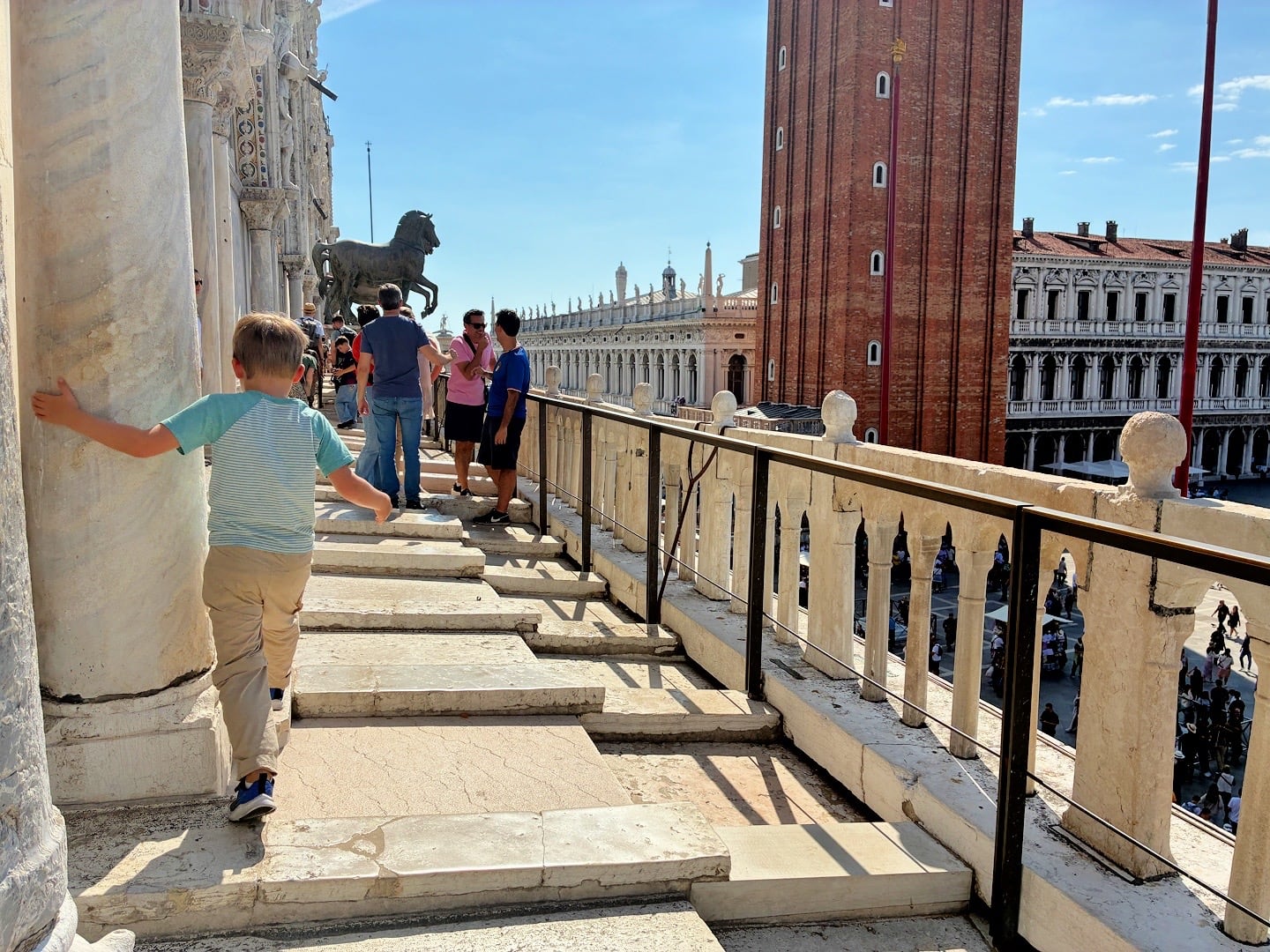
No first visit to Venice would be complete without spending some time in Piazza San Marco (St. Mark’s Square).
Yes, it’s crowded. Yes, it’s touristy. Yes, an espresso costs €7 (Hot tip: We got ours inside St. Mark’s Basilica museum for €1!). And yes, you’re likely to share the experience with a whole lot of other visitors.
But there’s a good reason everyone comes here.
St. Mark’s Square is one of Europe’s most extraordinary public spaces, surrounded by elaborate historic buildings, grand arcades, and some of Venice’s most recognizable landmarks.
The star attraction is 1,000-year-old St. Mark’s Basilica (Basilica di San Marco), with its distinctive domes, intricate mosaics, and striking blend of Byzantine and Venetian architecture.
Lori and I visited the square and basilica during our recent trip, and despite the crowds, we think both are well worth including on a first-time Venice itinerary.
There’s simply too much history and architectural detail here to appreciate from photographs alone.
The square is also home to the famous Campanile (bell tower), the Doge’s Palace, and several historic cafés.
You could easily spend several hours exploring the immediate area, particularly if you plan to visit the interiors of multiple attractions.
Is a guided tour worthwhile?
If you’re particularly interested in the basilica’s history, artwork, and architecture, we think a guided tour could very well be money well spent.
There’s an enormous amount to take in, and a knowledgeable guide can help make sense of what you’re seeing.
▸ Compare top-rated guided tours of St. Mark’s Basilica (free cancellation)
For independent travelers, we strongly recommend reserving a timed admission slot online in advance at St. Mark’s Basilica’s official site, especially during busy periods.
✪ Heads Up St. Mark’s Basilica is an active religious site, so appropriate clothing is required. Check the official visitor information before arriving, particularly for admission options, restricted items, and visiting hours.
③ Take in the Views from St. Mark’s Campanile
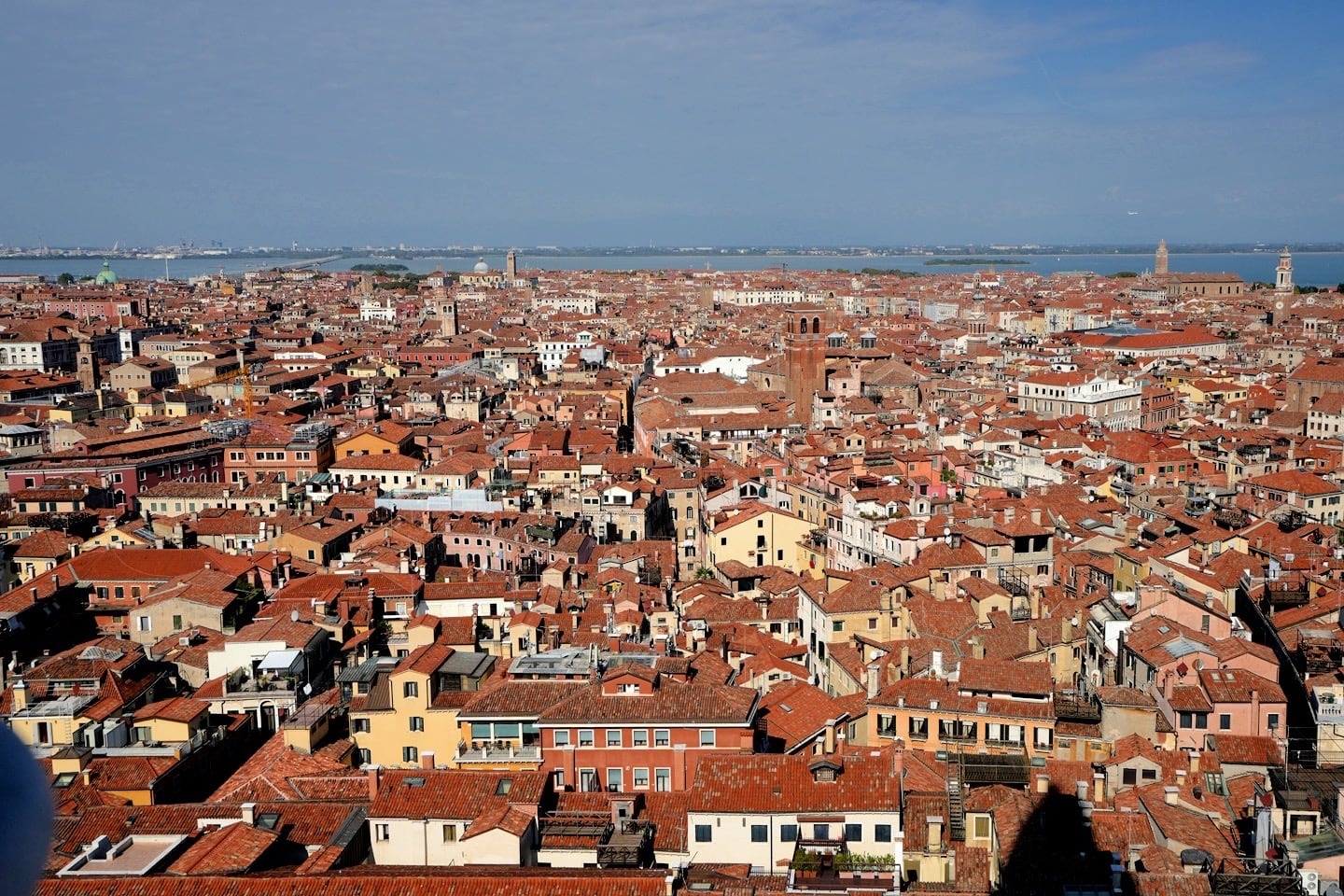
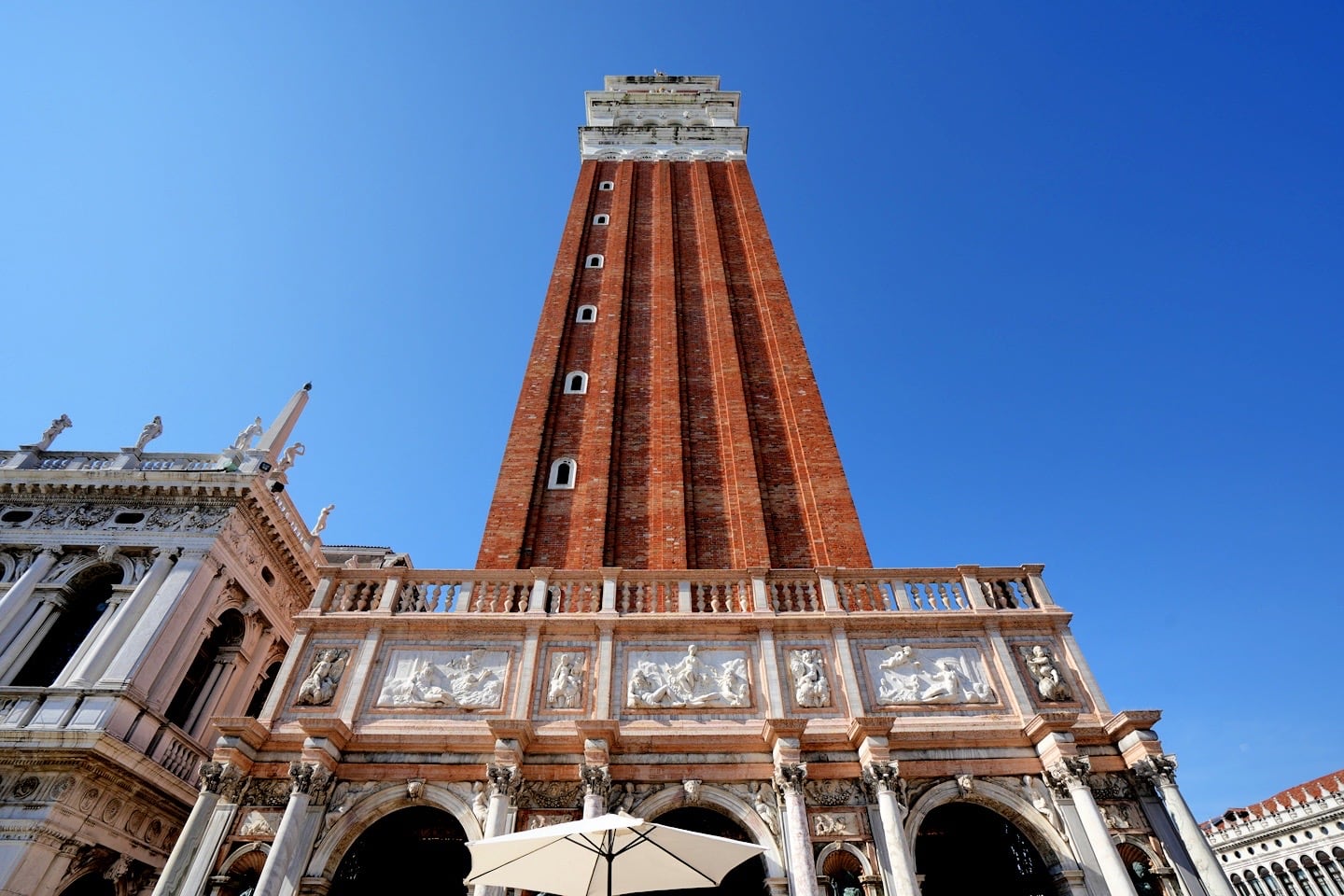
Standing nearly 100 meters (323 feet) above St. Mark’s Square, the Campanile di San Marco is one of Venice’s most recognizable landmarks.
And while it’s impressive enough from below, the real reason to visit is the view from the top.
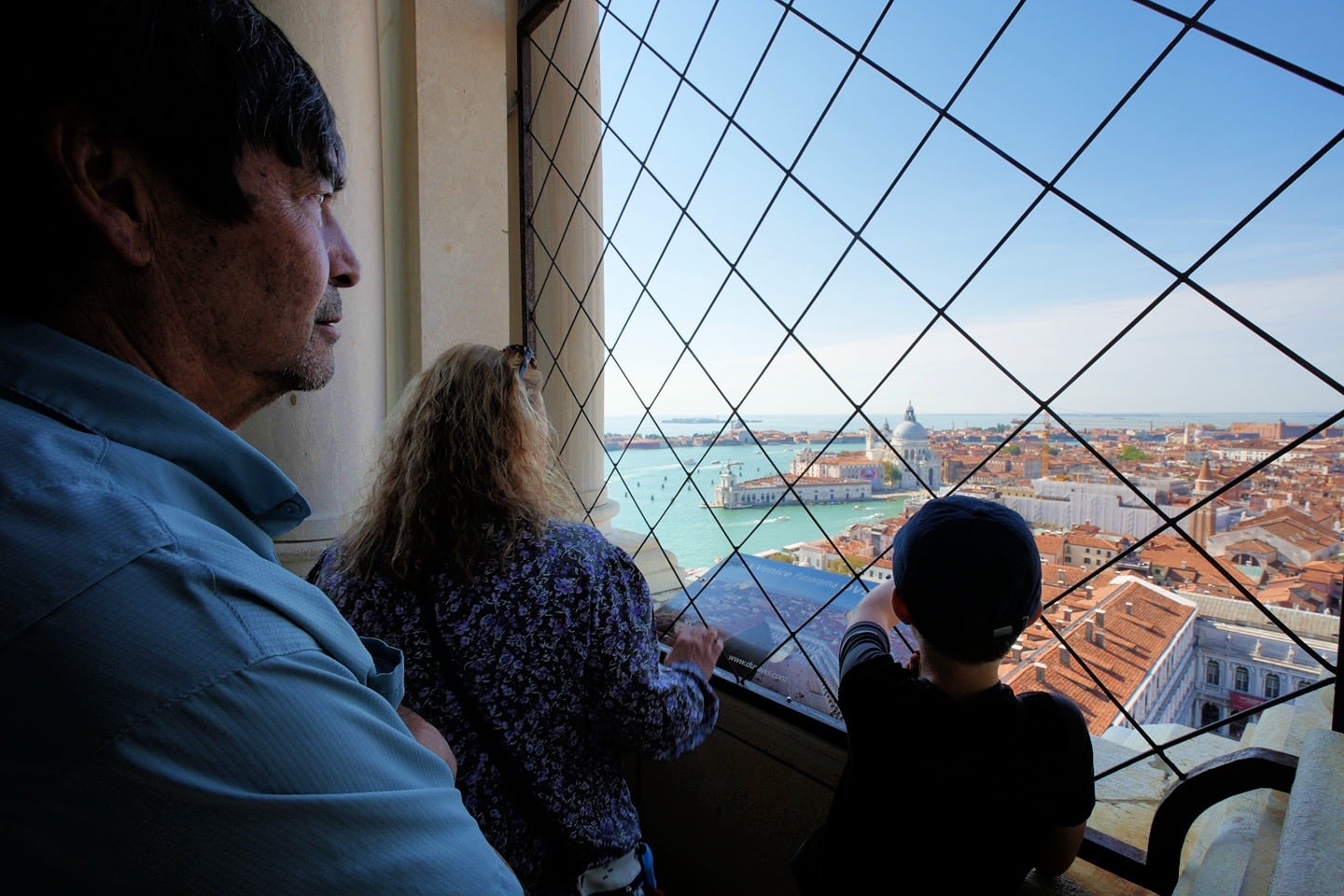
We included the bell tower during our recent visit, and it’s one of the experiences we’d recommend to first-time visitors wanting to appreciate Venice from a different perspective.
Instead of the narrow canals and pedestrian pathways we experienced at street level, we got a sweeping view of terracotta rooftops, church domes, the Venetian Lagoon, and the islands beyond.
All these years later, the view was even more striking than I remembered.
Plus, a lift carries visitors up to the viewing area, so we didn’t have to climb hundreds of stairs to reach the top.
If you only have one day in Venice, we’d prioritize the square and basilica first. But if you have the time and budget, we think the Campanile makes a worthy addition.
Visiting independently? We recommend buying your tickets online at the official website at the same time you buy your entry to St. Mark’s Basilica.
Visiting on an organized tour? We suggest comparing tours and pricing at GetYourGuide or Viator for free cancellation, transparent pricing, and traveler reviews.
✪ Heads Up Try to time your visit when visibility is good. On a clear day, the views extend well beyond Venice’s historic center. Tickets and entry arrangements can change, so check availability before your visit.
④ Ride a Vaporetto Along the Grand Canal
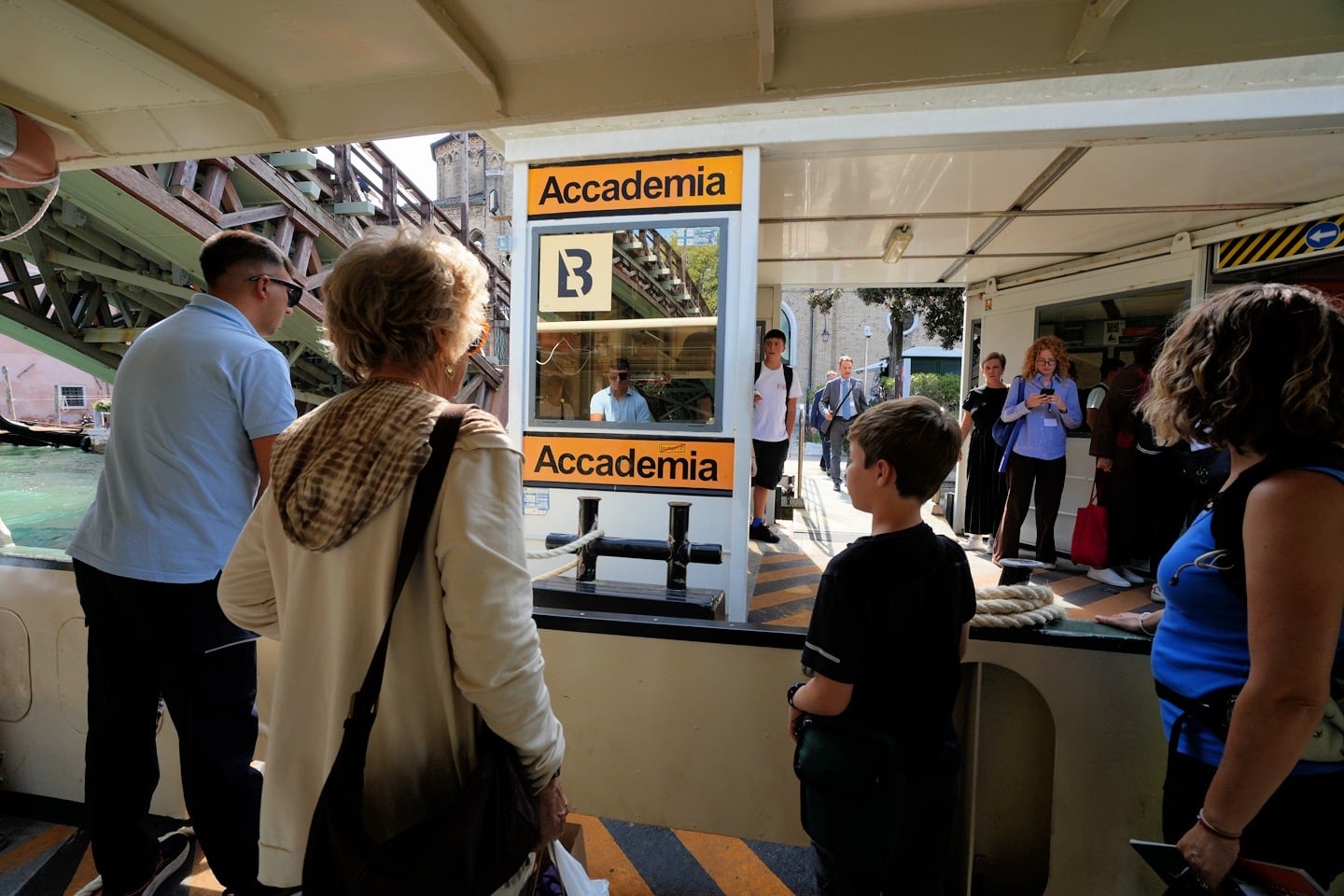
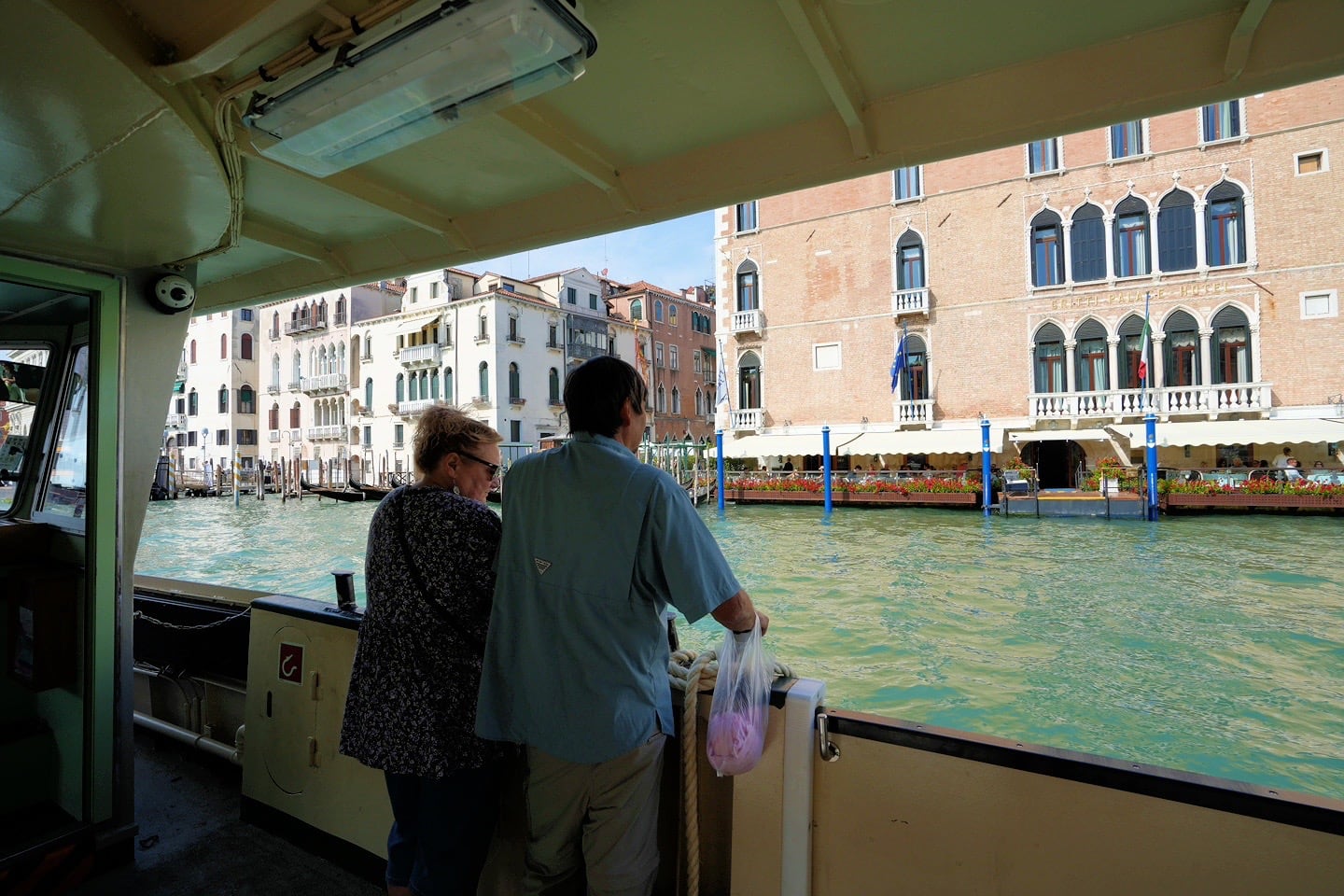
Of all the practical decisions we made during our visit, purchasing a 72-hour vaporetto pass was one of the best.
Venice’s public water buses, known as vaporetti, are an essential part of the city’s transportation system.
Think of them as city buses, except they travel along canals and across the Venetian Lagoon instead of roads.
We used them regularly throughout our stay, both to reach different parts of Venice and simply to enjoy the experience of traveling through the city by water (highly recommended!).
And with my parents and our two boys along for the trip, having the flexibility to hop aboard a vaporetto whenever we needed a break from walking made a tremendous difference.
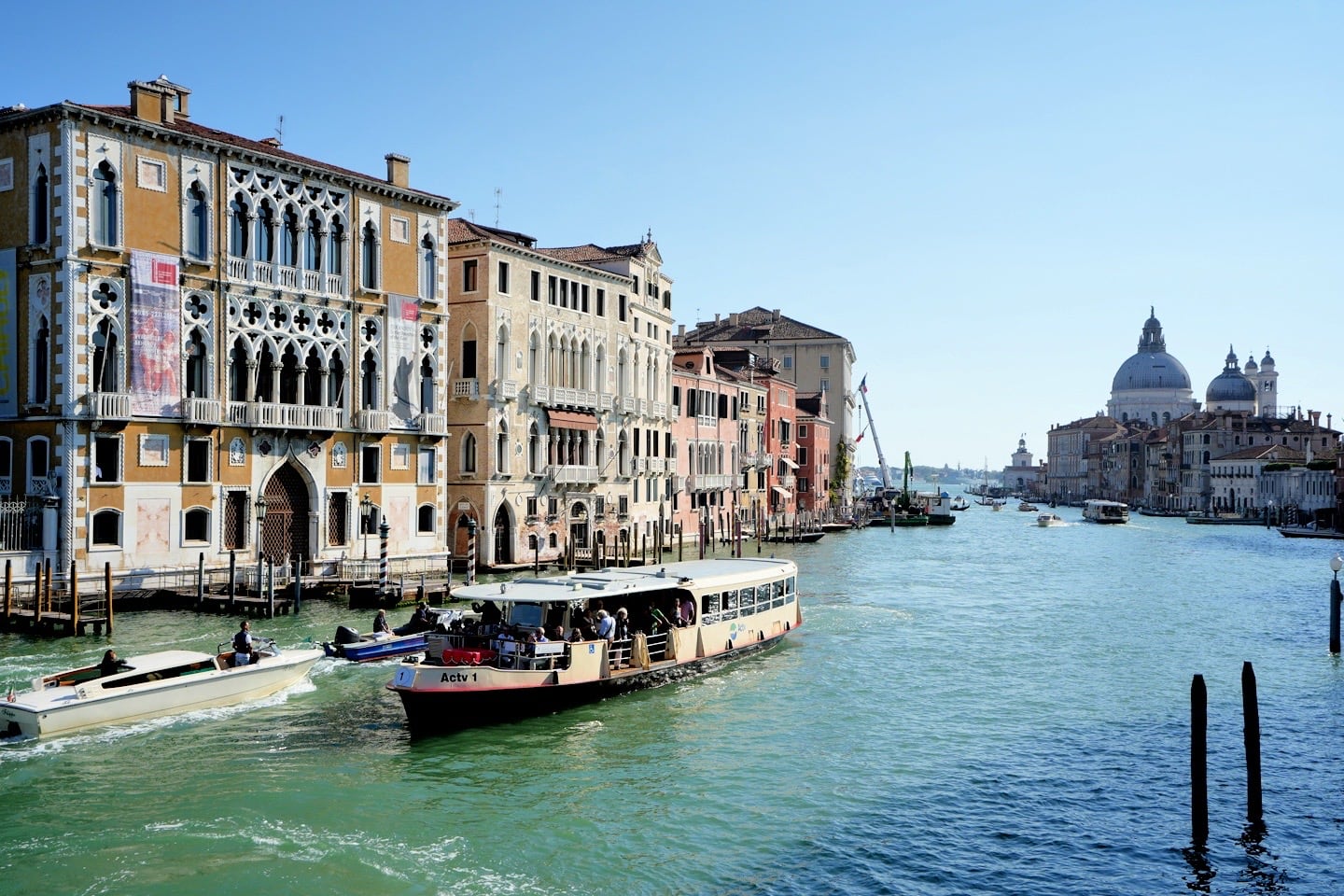
We thought riding on the Grand Canal was particularly memorable.
Venice’s main waterway winds through the historic center, passing grand palaces, churches, bridges, and buildings that have stood along these banks for centuries.
It’s a wonderful way to appreciate the extraordinary architecture and maritime heritage that helped earn Venice and its lagoon UNESCO World Heritage status.
A ride on the vaporetto isn’t dirt cheap, but it’s a heck of a lot cheaper than taking a private water taxi or gondola ride.
For a classic Grand Canal experience, look for Line 1, which makes numerous stops on both sides of the waterway.
Line 2 also serves parts of the Grand Canal but follows a different, generally faster (“express”) stopping pattern.
Is a Venice Vaporetto Pass Worth It?
For us, absolutely.
We each purchased a 72-hour ACTV pass, which allowed us to use eligible public water bus services throughout our stay without buying individual tickets each time.
That flexibility encouraged us to explore farther afield, including our day trip to Murano. It also meant we didn’t feel obligated to walk absolutely everywhere.
Would we recommend the same pass to everyone? Not necessarily.
If you’re visiting Venice for just one day and plan to spend most of your time around St. Mark’s Square and the Rialto Bridge, individual tickets or a shorter pass might make more sense.
But if you’re staying two or three days, plan to visit the lagoon islands, or simply want to give your feet a break, a multi-day pass is well worth considering.
As a general rule of thumb, if you plan to take five or more one-way vaporetto rides in a three-day period, the 72-hour pass is a better value. There are also 24- and 48-hour passes too.
Where & How to Buy Vaporetto Day Passes
A friend recommended we buy our day passes online ahead of time, and we were glad we did. I initially tried the official site but it was confusing to use and didn’t like my U.S. credit card (a common problem, I’m told).
Instead, I ended up buying them here on GetYourGuide of all places, as they were the same price, the same exact product, and I didn’t have issues using my card. We’d recommend doing the same for those in a similar situation.
One important thing to note: You’ll still need to visit a yellow ACTV self-service kiosk at any vaporetto station to get your actual passes. Just enter the reference code from your purchase confirmation and it’ll spit you out your card.
✪ Additional Vaporetto Tips
- Decide how often you’ll use the water buses before purchasing a pass.
- Also check which services are included, as airport transportation and some other routes require separate tickets.
- Heads Up: Vaporettos are public water buses, not private water taxis. Water taxis offer a more direct, private service but cost considerably more.
⑤ Cross the Rialto Bridge and Explore the Surrounding Area
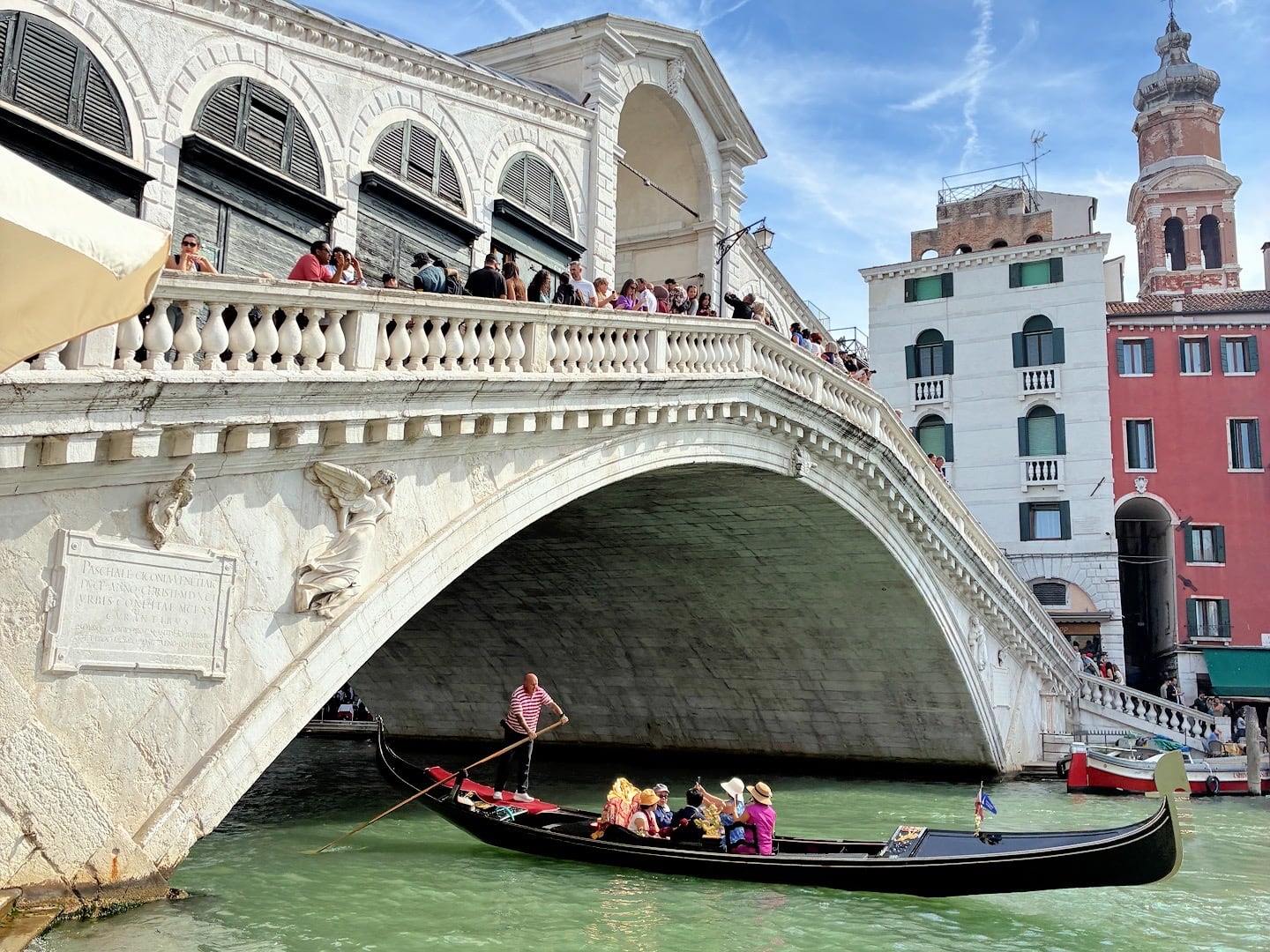
The Rialto Bridge (Ponte di Rialto) is another one of Venice’s most famous landmarks, and pretty much makes everyone’s top things to do in Venice list (but for good reason).
Spanning the Grand Canal, this beautiful stone bridge has connected the two sides of the waterway for centuries.
Today, it’s one of the busiest pedestrian crossings in Venice. It’s also one of the best places to appreciate the constant activity along the Grand Canal.
From the bridge, you’ll see vaporettos, gondolas, and delivery boats navigating between historic palaces and waterfront buildings.
The bridge itself is lined with small shops, although we wouldn’t necessarily recommend coming here for souvenir shopping (we found it too crowded and overpriced to seriously consider buying anything).
The nearby Rialto Market area is another worthwhile stop, particularly earlier in the day when market activity is underway.
This part of Venice has been a center of commerce for centuries, and even today, the market offers a glimpse of the city’s longstanding relationship with trade and food.
If you’re visiting Venice for just one day, we’d absolutely include the Rialto Bridge. But don’t feel you need to linger too long if the crowds are overwhelming. There are plenty of quieter canals and bridges waiting to be discovered nearby.
⑥ Enjoy a Canalside Meal or Aperitivo

We knew that Venice wasn’t going to be a budget dining destination.
Restaurants in heavily visited areas can be expensive, and not every establishment delivers the kind of memorable Italian meal you might be hoping for.
Still, we think that sitting down for a meal beside a Venetian canal is one of those experiences that’s worth making time for.
We enjoyed canalside dining during our visit, and it offered a welcome opportunity to slow down between sightseeing excursions.
You don’t necessarily need a fancy restaurant, either. We found that a casual lunch, a plate of cicchetti (Venetian small bites), or an evening aperitivo was just as enjoyable.
Our preference is to look beyond the busiest tourist corridors, where smaller restaurants and neighborhood bars can offer a more relaxed atmosphere.
Dorsoduro and Cannaregio are both good areas to explore.
And if you see a canalside table that looks particularly inviting, sometimes it’s worth paying a little extra for the setting.
After all, you’re in Venice.
✪ Traveler Tip Be sure to check menus and prices before sitting down, including any cover charge (coperto) or service fee not included in the menu prices. Waterfront seating and famous locations can come at a premium.
⑦ Visit Murano and Watch Glassblowing in Action
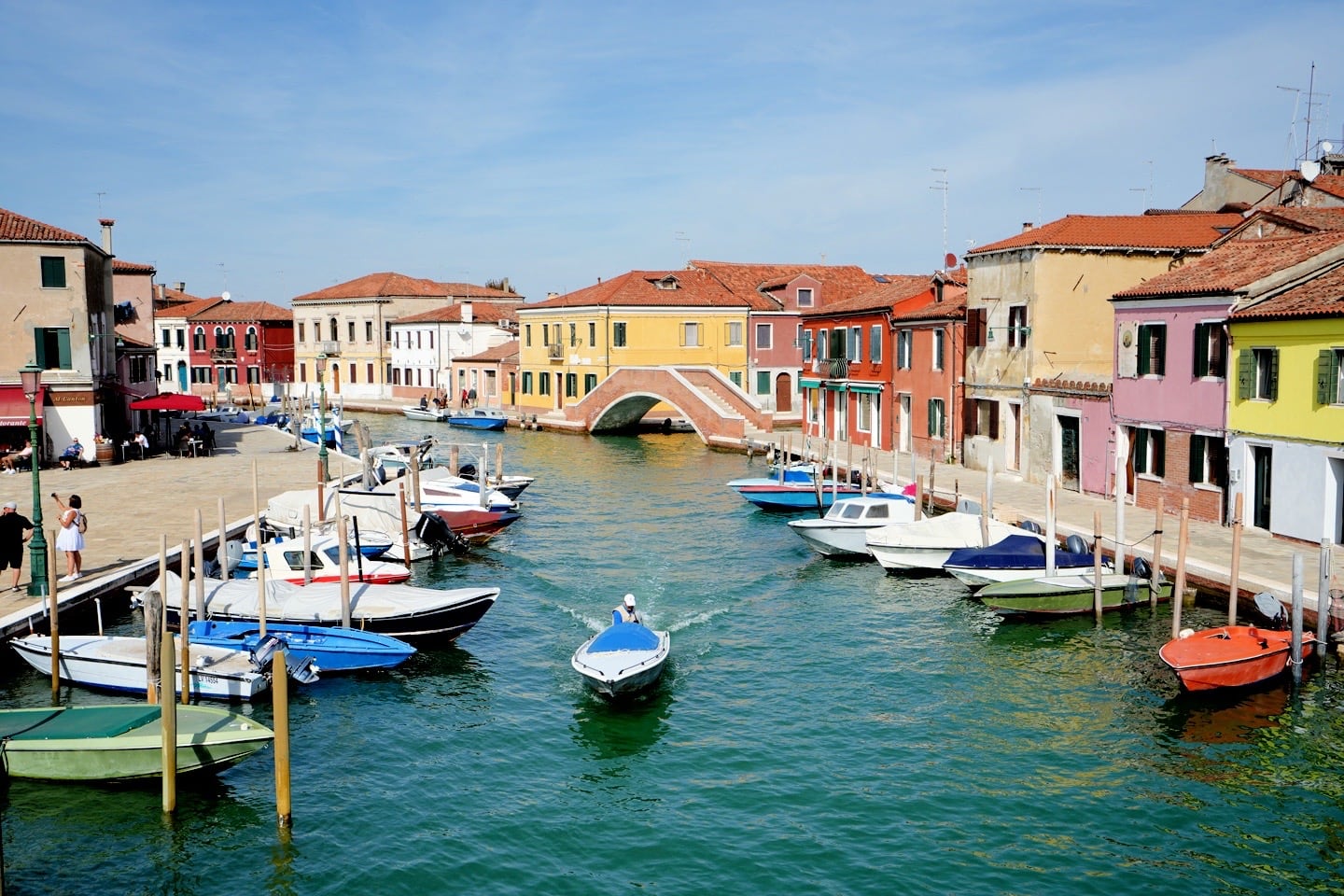
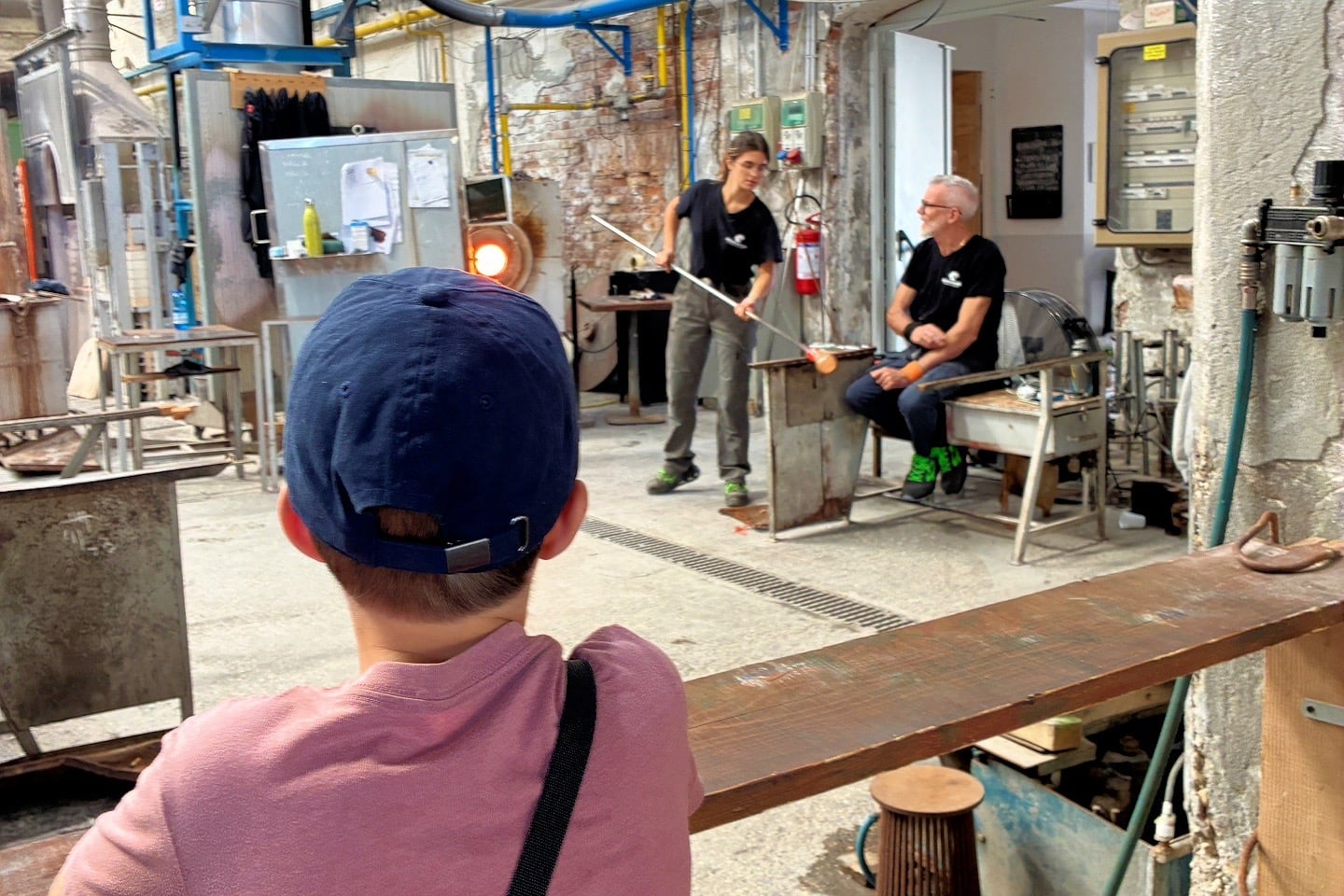

If you have two or three days in Venice, we strongly recommend making time for a visit to Murano.
This small island group in the Venetian Lagoon is world-famous for its glassmaking tradition, which dates back centuries.
And while you can find Murano glass for sale throughout Venice, there’s something special about visiting the place where much of that tradition developed. It’s something I made time for on my first visit to Venice and remembered all these years later.
We took a day trip to Murano during our recent stay and visited Wave Murano Glass, a contemporary glassmaking studio where we watched glassblowers at work for no charge and no strings attached.
This ended up being one of the highlights of our time in Murano. Our boys enjoyed the experience as well, making this a particularly worthwhile excursion for our multigenerational group.
Beyond the glass studios, Murano is also pleasant to explore on foot.
There are canals, bridges, churches, restaurants, and a noticeably more relaxed atmosphere from central Venice.
Visiting Murano Independently vs. Taking a Tour
We visited independently, using our vaporetto passes to travel across the lagoon.
For travelers comfortable navigating public transportation, we think this is an excellent option.
You can explore at your own pace, choose which glass studios to visit, and spend as much or as little time on the island as you like.
A guided tour can also make sense, particularly if you have limited time or want a glassblowing demonstration arranged in advance.
Some tours combine Murano with Burano and other lagoon islands, making them a convenient way to see more in a single day.
Our recommendation: If you’re staying several days and already have a vaporetto pass, consider visiting independently. If you only have a short window or prefer everything organized, a guided excursion could be worthwhile.
We think these Murano & Burano tours and trips are worth checking out (free cancellation).
✪ Heads Up Don’t assume every advertised glassblowing demonstration offers the same experience. Check what’s included, how long the demonstration lasts, and whether there’s an expectation to visit a showroom afterward.
⑧ Consider a Traditional Gondola Ride
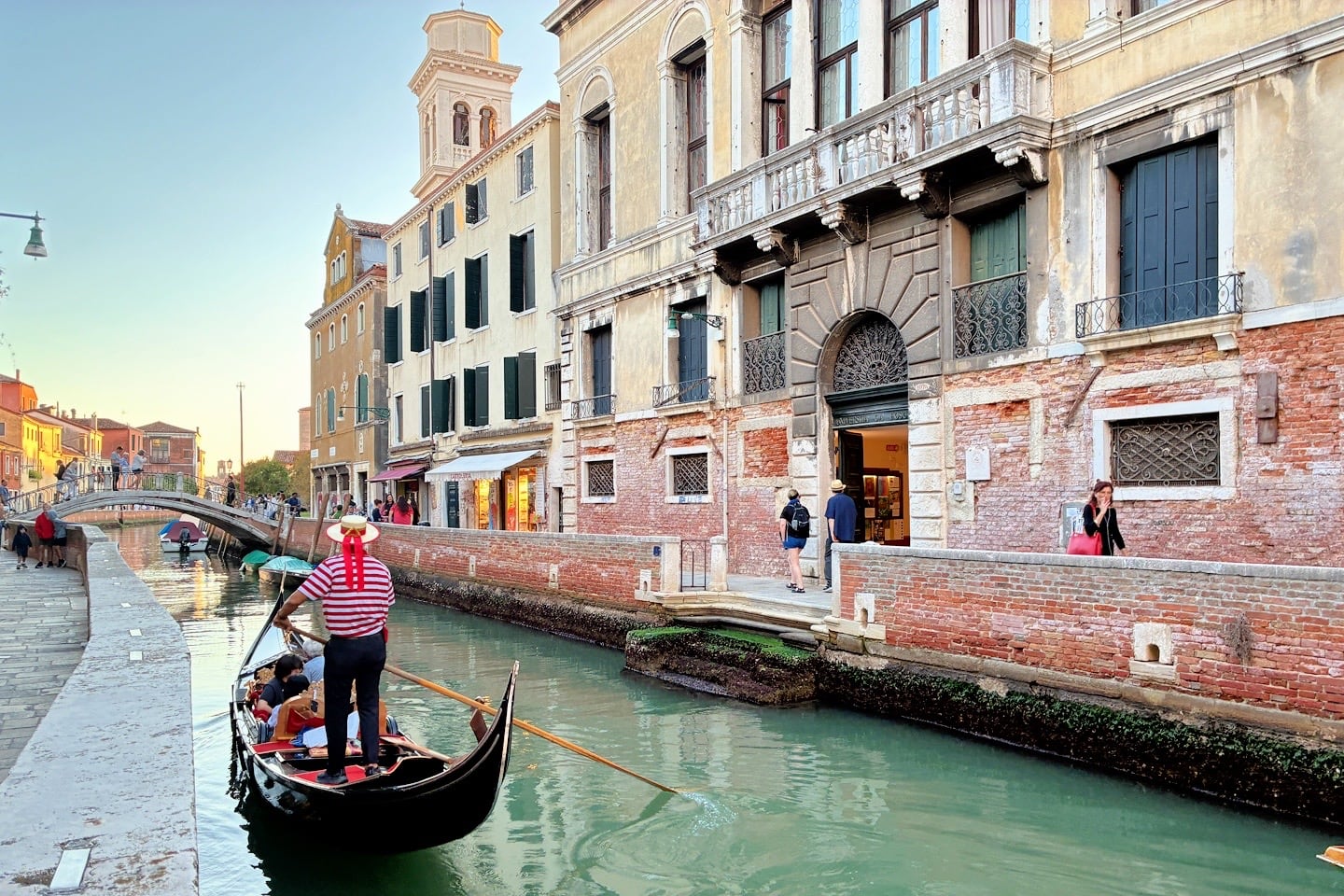
Few images are more closely associated with Venice than a gondolier steering a long, black boat through a narrow canal singing their heart out.
And for many first-time visitors, a gondola ride is high on their wish list.
I took a gondola ride during my first visit to Venice 26 years ago, but we didn’t repeat the experience on this recent trip.
Instead, we made extensive use of the public vaporettos and spent much of our time exploring on foot.
Would we recommend a gondola ride? That depends on what you’re hoping to get out of it.
A gondola offers a much more intimate experience of Venice’s canals than a public water bus.
The boats can navigate narrow waterways that larger vessels can’t reach, and the slower pace gives you time to appreciate the buildings and bridges from water level.
But it’s also one of Venice’s more expensive classic experiences.
Private vs. Shared Gondola Rides
A private gondola ride gives your group the boat to yourselves, making it a good choice for couples, families, or anyone celebrating a special occasion.
A shared gondola ride can be a more affordable alternative, although you’ll be traveling with other passengers and generally have less flexibility over the route.
Standard gondola fares are regulated locally, but private arrangements, longer rides, and advance-booked experiences may cost more.
If you’ve always dreamed of taking a gondola through Venice, we wouldn’t discourmage you. But we think it’s important to understand what you’re paying for.
To know exactly what you’re paying for and how much, we’d start our search here.
For us, the vaporetti provided plenty of memorable time on the water during this visit, and we didn’t feel we’d missed out by skipping another gondola ride.
⑨ Explore Dorsoduro and Venice’s Quieter Corners
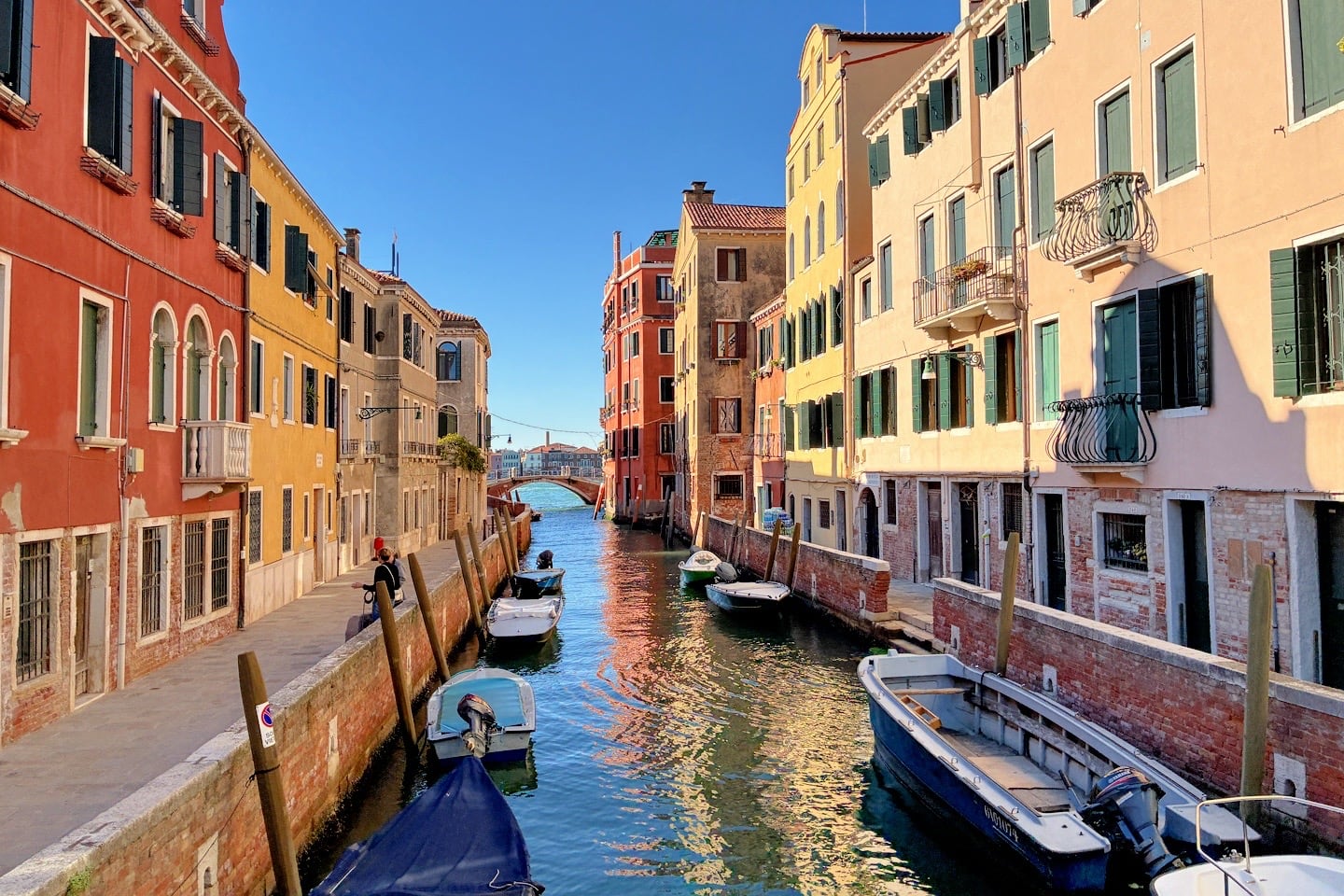
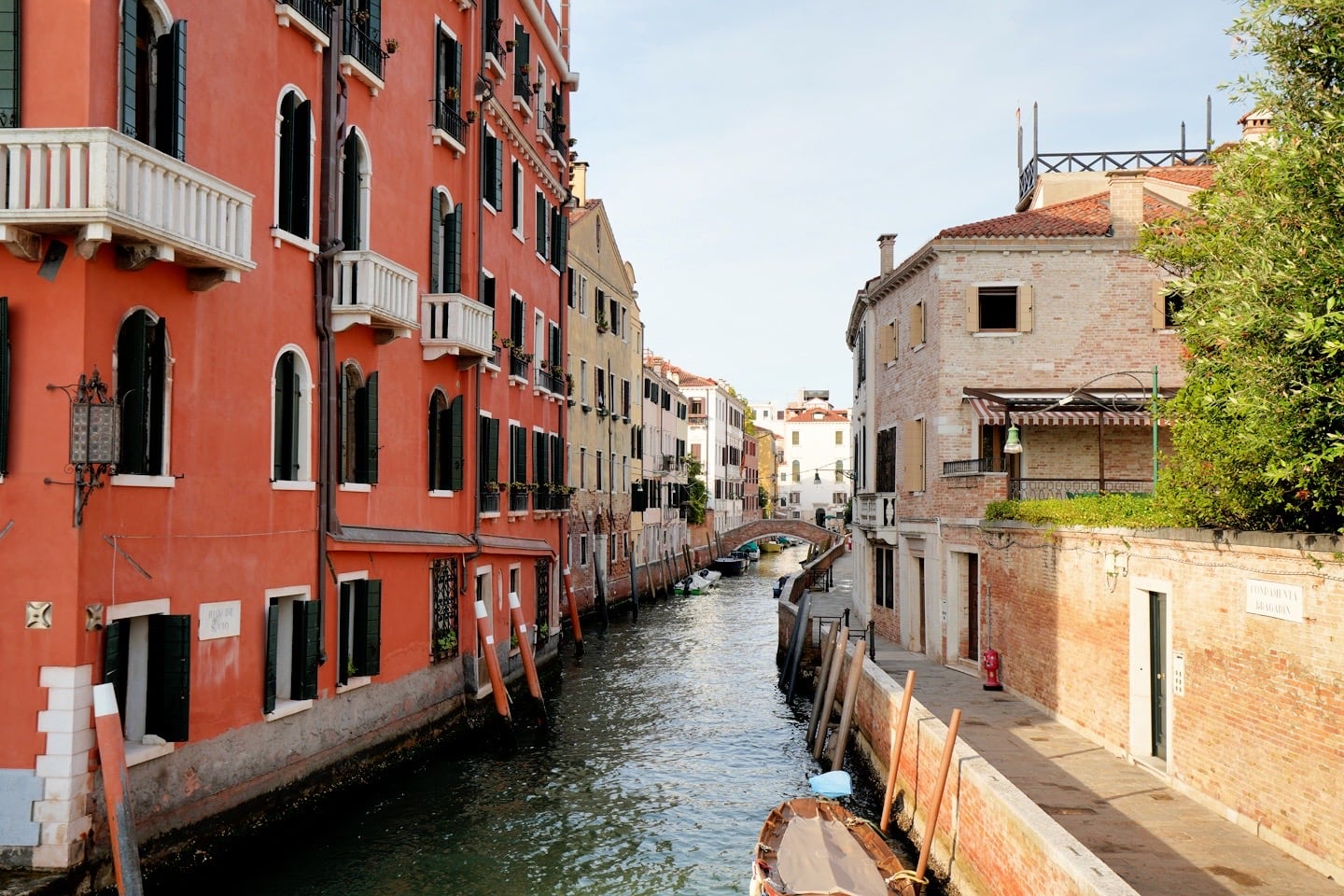
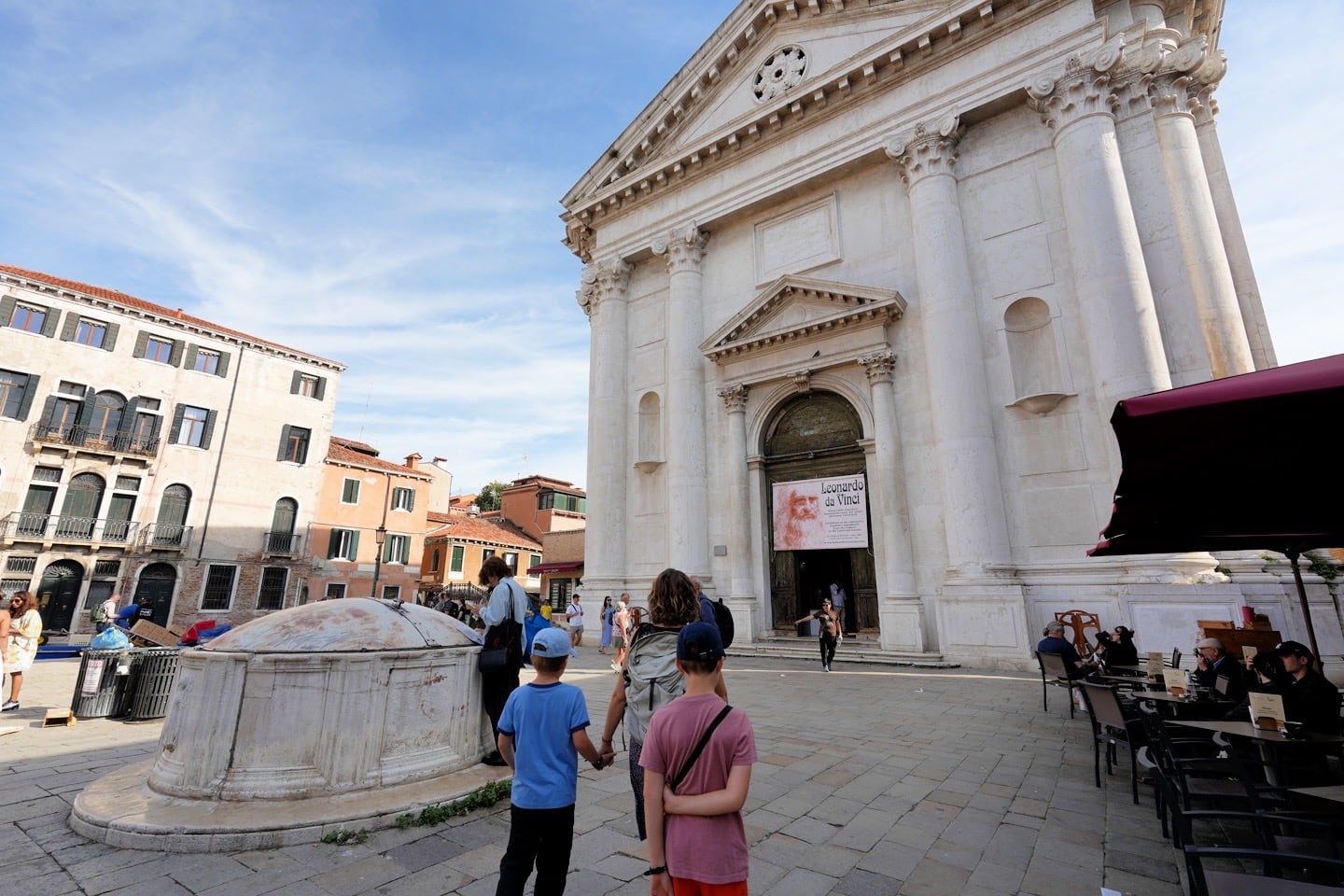
Of all the areas we explored in Venice, Dorsoduro was one of our favorites.
We stayed in a historic apartment near the Gallerie dell’Accademia, and having a home base in this part of the city added considerably to our experience.
Dorsoduro is one of Venice’s six historic districts, or sestieri, and occupies a large area southwest of the Grand Canal.
It has its share of famous attractions, including the Gallerie dell’Accademia, Peggy Guggenheim Collection, Leonardo da Vinci Exhibition, and Basilica di Santa Maria della Salute.
But for us, the biggest draw was the neighborhood itself.
Compared with the busiest parts of San Marco, Dorsoduro offered more opportunities to wander through quieter lanes, cross small bridges, and discover lovely squares without constantly navigating large tour groups.
Staying here also gave us a chance to experience Venice beyond the main sightseeing hours.
Instead of simply arriving for a few famous attractions and leaving, we could return to our apartment, take a break, and head out again when we felt like exploring.
What to See in Dorsoduro
Even if you’re not staying in the neighborhood, we’d recommend setting aside some time to explore.
The area around the Accademia Bridge is a good starting point, with wonderful views over the Grand Canal.
From there, you can wander toward the waterfront near Santa Maria della Salute and Punta della Dogana, where the Grand Canal meets the Giudecca Canal.
Art lovers might also consider visiting the Gallerie dell’Accademia or Peggy Guggenheim Collection.
We didn’t tour these museums on this visit, but they’re worthwhile options for visitors with a particular interest in Venetian or modern art.
Another interesting stop, particularly for families with kids, is Leonardo da Vinci: The Exhibition inside the former Church of San Barnaba, where interactive models bring the Renaissance inventor’s remarkable creations to life.
For everyone else, we’d simply recommend walking.
Dorsoduro is a reminder that some of the best things to do in Venice don’t require tickets, reservations, or a detailed itinerary.
⑩ See the Doge’s Palace and Bridge of Sighs
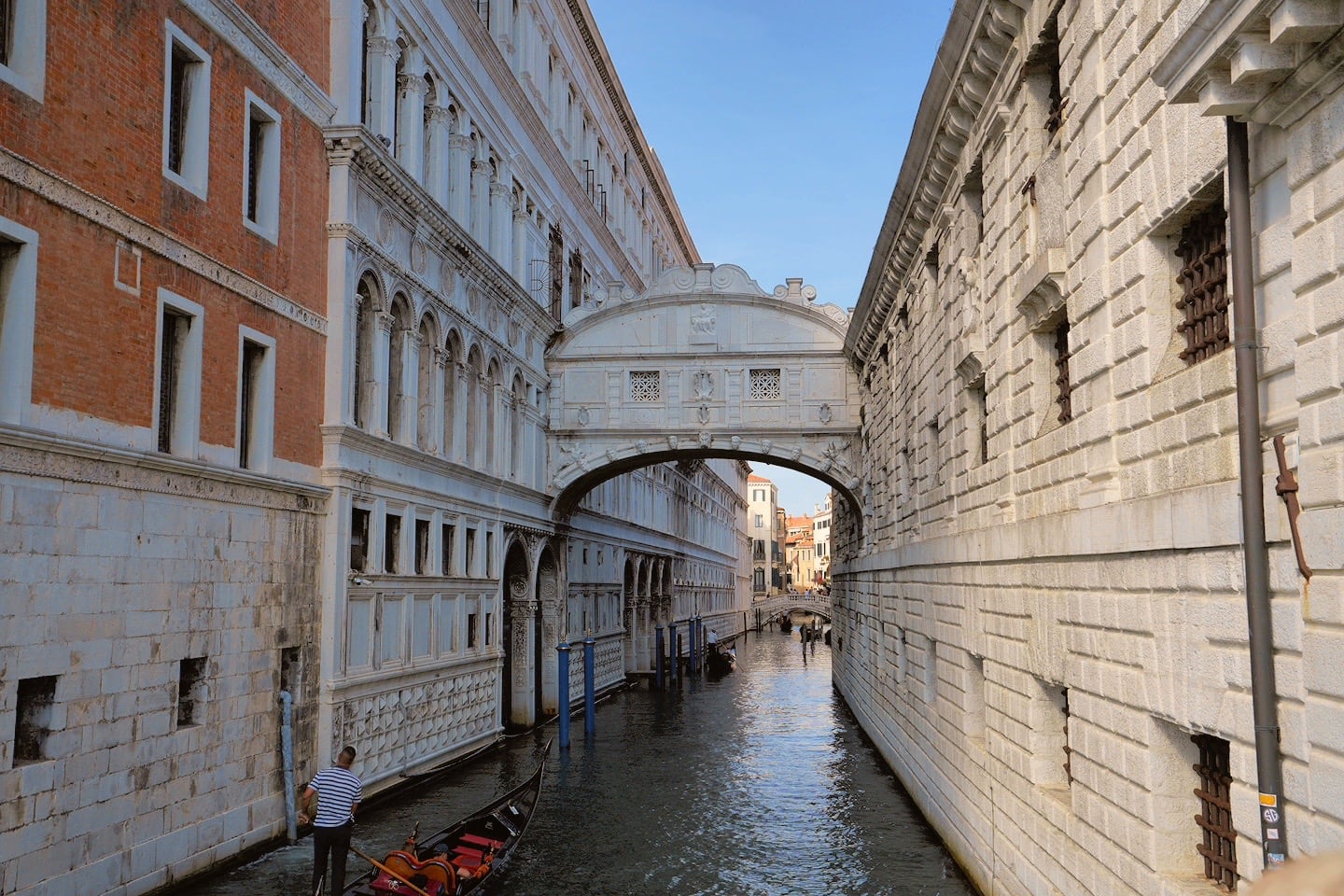
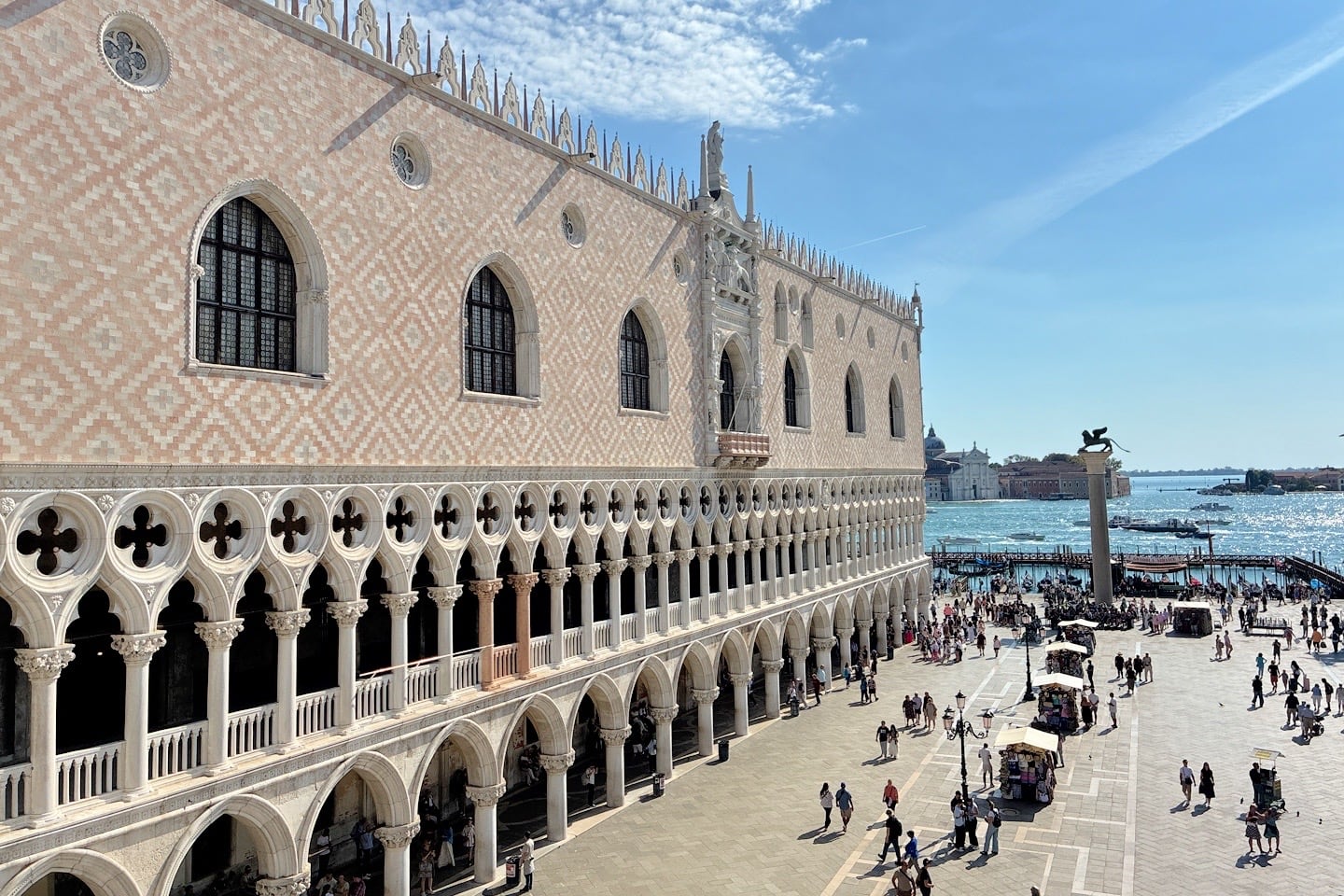
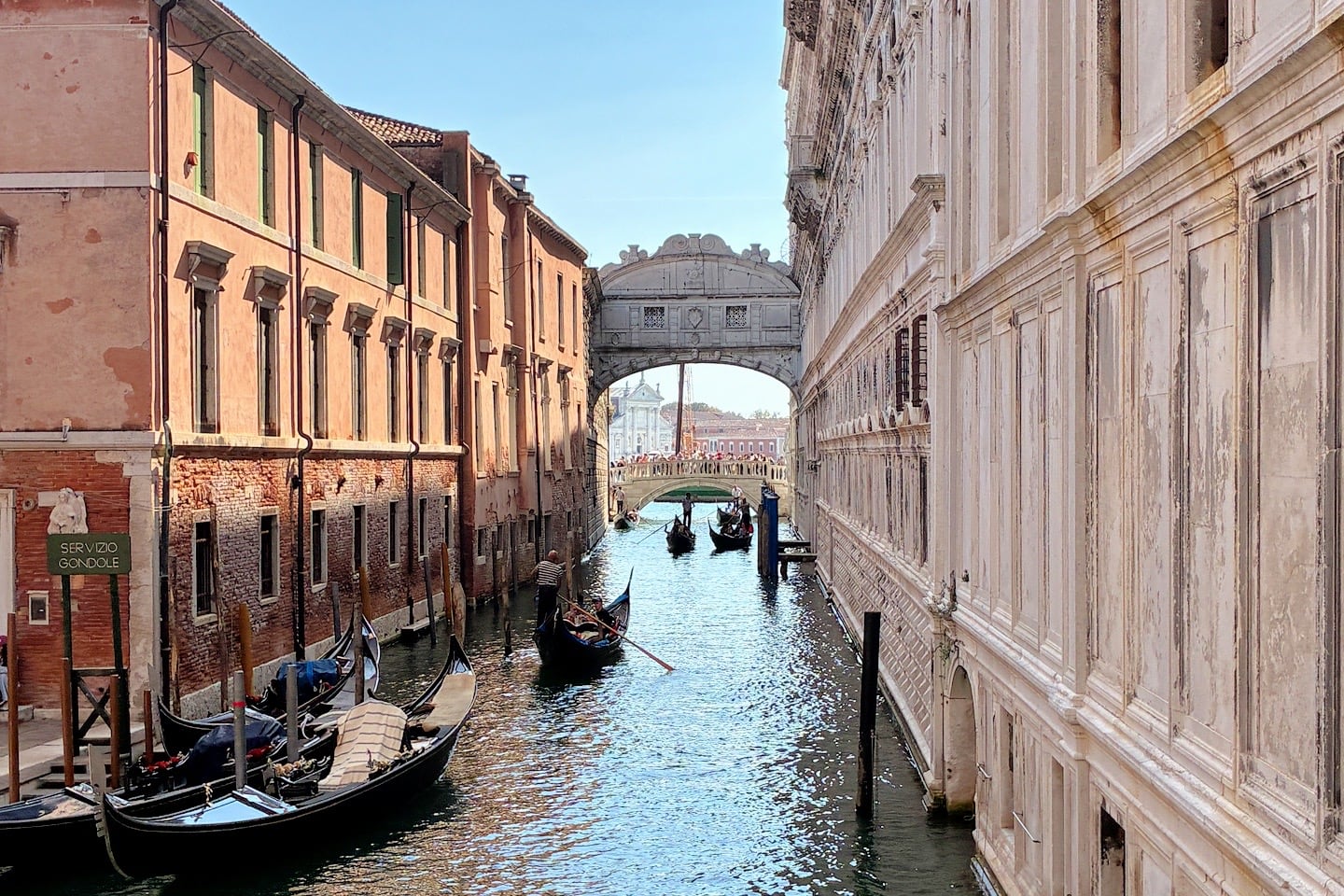
Located beside St. Mark’s Basilica, the Doge’s Palace (Palazzo Ducale) is one of Venice’s most important historic buildings.
For centuries, it served as the seat of government for the powerful Venetian Republic and the residence of its elected leader, the Doge.
Today, visitors can tour its elaborate halls, historic chambers, artwork, and former prison areas.
The palace is also associated with the famous Bridge of Sighs, which connects the former palace courtrooms with the prison building across a narrow canal.
We didn’t tour the palace interior during our recent visit, but it’s an attraction we’d consider adding to a future Venice itinerary, particularly with more time to devote to the city’s history.
For first-time visitors interested in Venetian politics, architecture, and the extraordinary wealth of the former republic, it could be a worthwhile addition.
However, if you only have one day in Venice, we’d prioritize exploring St. Mark’s Square, the Grand Canal, and the surrounding streets before committing multiple hours to another major indoor attraction.
If you do decide to visit, we recommend booking tickets in advance or joining a guided tour to better understand the palace’s significance.
⑪ Wander Through Cannaregio and the Jewish Ghetto
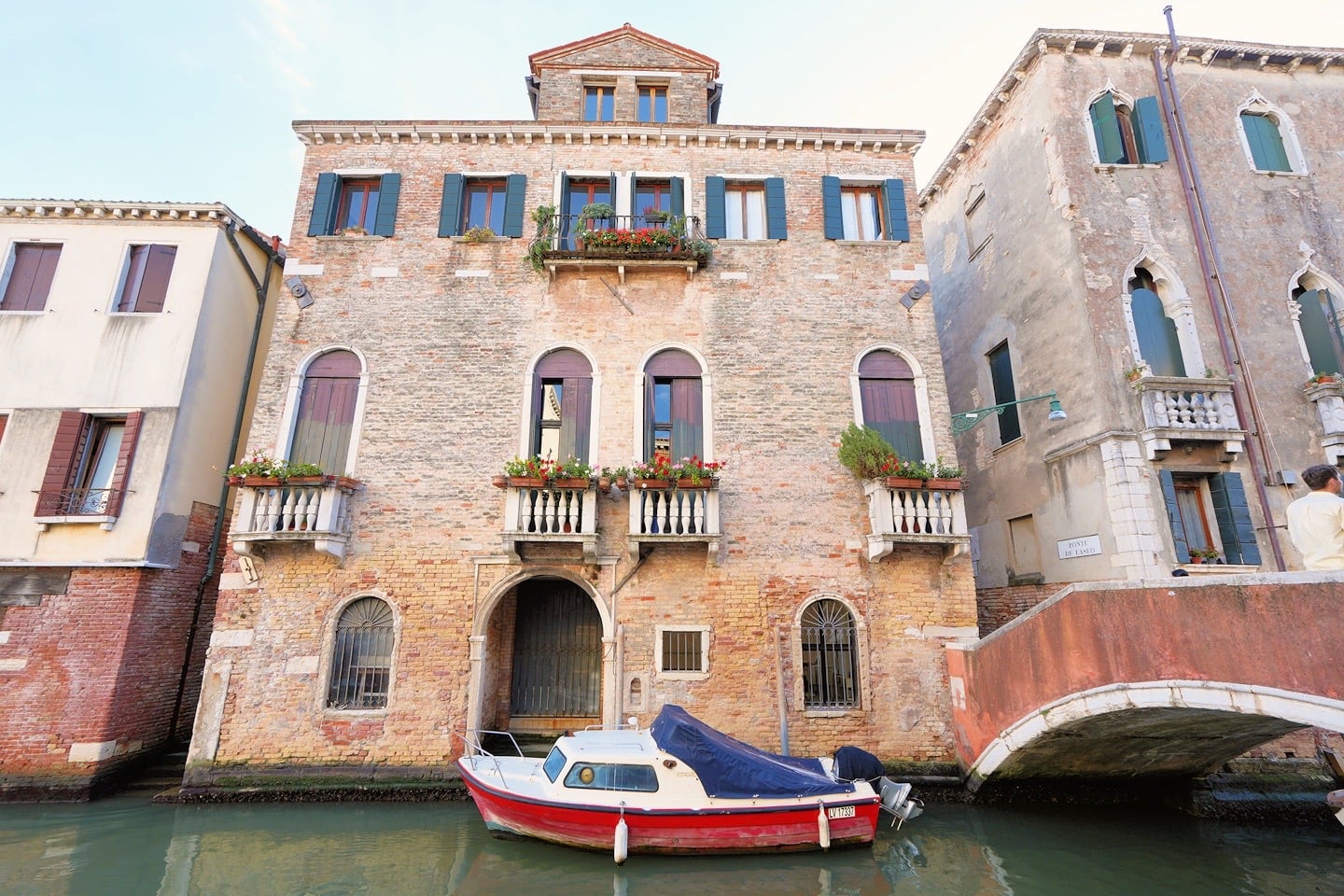
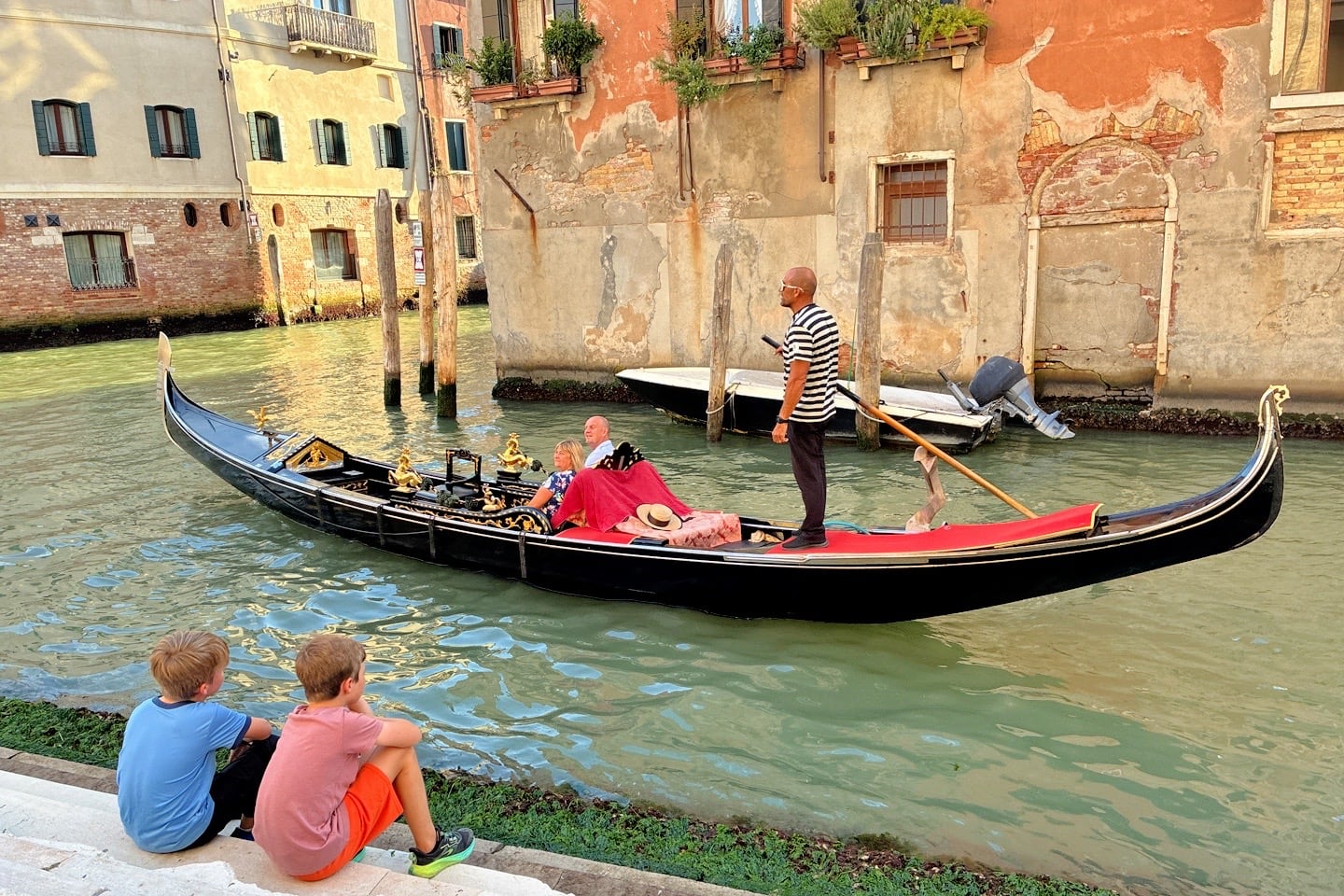
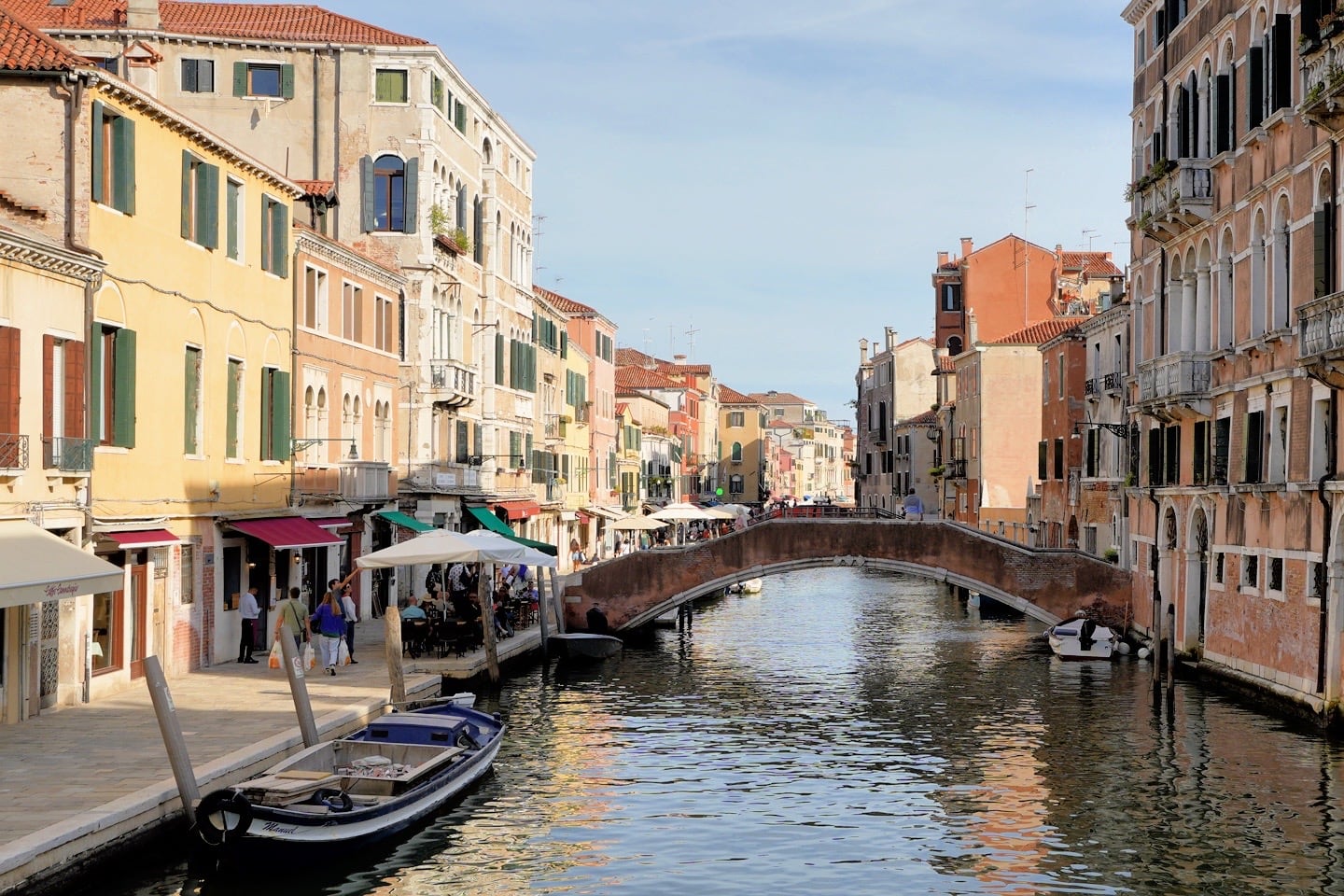
Another area we particularly enjoyed exploring was Cannaregio, one of Venice’s largest and most residential historic districts.
Located north of the Grand Canal, Cannaregio includes busy pedestrian routes near the railway station, but also quieter canals and neighborhood streets farther from the main tourist corridors.
We especially enjoyed walking around the historic Jewish Ghetto area.
Established in 1516, the Venetian Ghetto is one of the most historically significant Jewish neighborhoods in Europe.
It’s also the origin of the term ghetto (originally meaning ‘metal casting foundry’), which eventually spread into other languages.
Today, the area remains an important part of Venice’s Jewish heritage, with historic synagogues, community institutions, and distinctive buildings clustered around its small squares.
Beyond its history, Cannaregio offers a different atmosphere from the grand public spaces around St. Mark’s Square. It’s an area where we enjoyed just walking, observing, and taking in another side of Venice.
If you have a second or third day, we’d strongly recommend spending some time here.
And if you’re arriving or departing by train, Cannaregio can be incorporated into your sightseeing without a major detour.
✪ Heads Up The Jewish Ghetto is a living neighborhood and place of cultural and religious importance, not just another tourist attraction. Please remember to be respectful of residents, worshippers, and any restrictions when visiting religious sites.
⑫ Venture Further into the Venetian Lagoon
Murano isn’t the only island worth visiting beyond Venice’s historic center.
The wider Venetian Lagoon contains numerous islands, each with its own history and character.
One of the most popular is Burano, famous for its brightly colored houses, canals, and traditional lace-making heritage.
Burano is farther from central Venice than Murano, so visiting requires a greater time commitment.
We didn’t make it to Burano on our recent trip, but it’s an option we’d consider for a future visit.
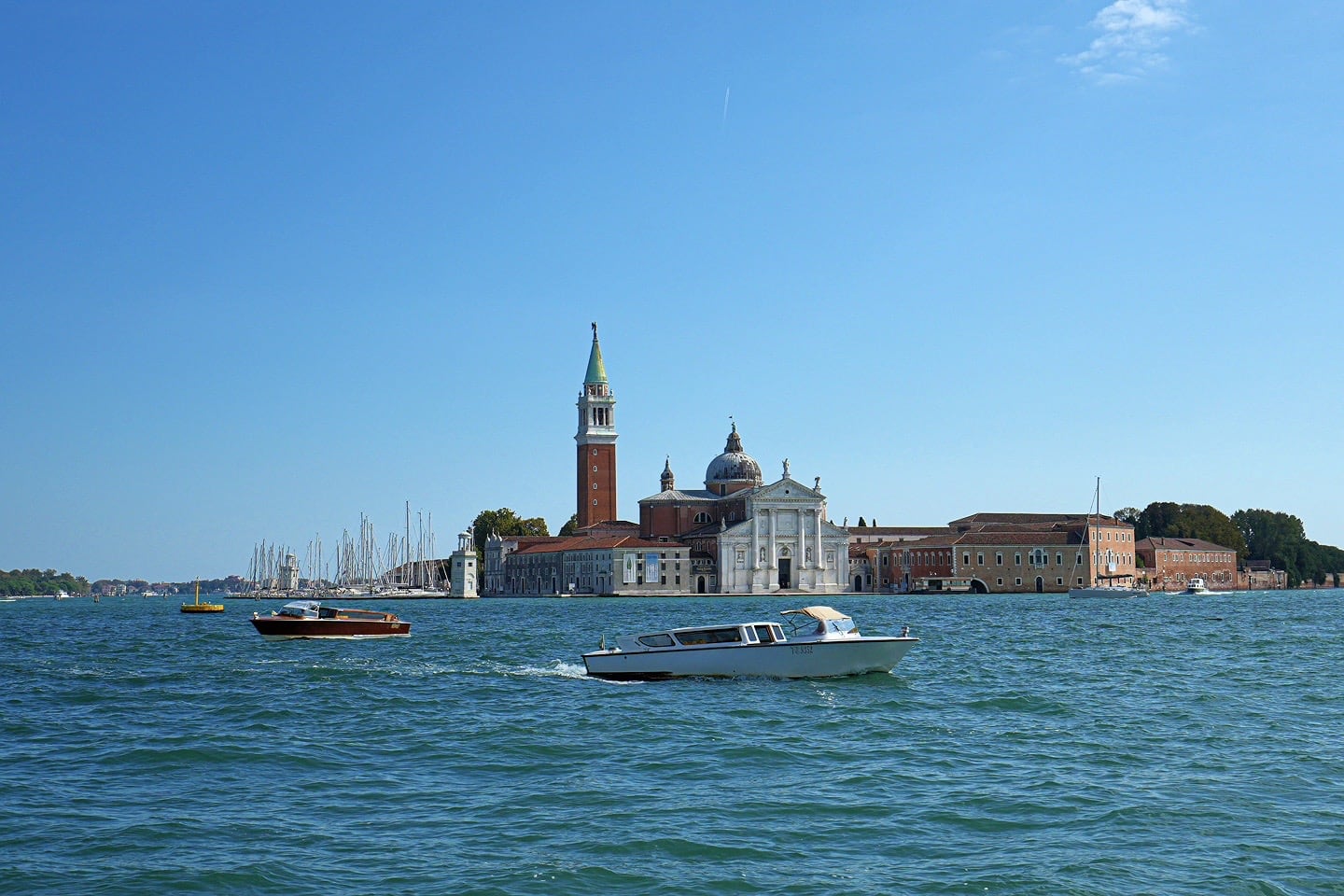
Another possibility is San Giorgio Maggiore, the island directly across the water from St. Mark’s Square, which we did manage to visit for a couple of hours.
Its prominent church and waterfront location make it an appealing excursion for visitors wanting another perspective on central Venice, or simply to escape the crowds.
If you’re visiting Venice for three days, we think it’s worth considering at least one island excursion.
For most travelers, Murano is the obvious starting point, particularly if you’re interested in seeing traditional glassmaking.
If colorful architecture and photography are higher priorities, Burano might be more appealing.
And if you’d like to see both without spending too much time figuring out transportation, a guided lagoon tour can simplify the logistics.
How to Spend 1, 2, or 3 Days in Venice
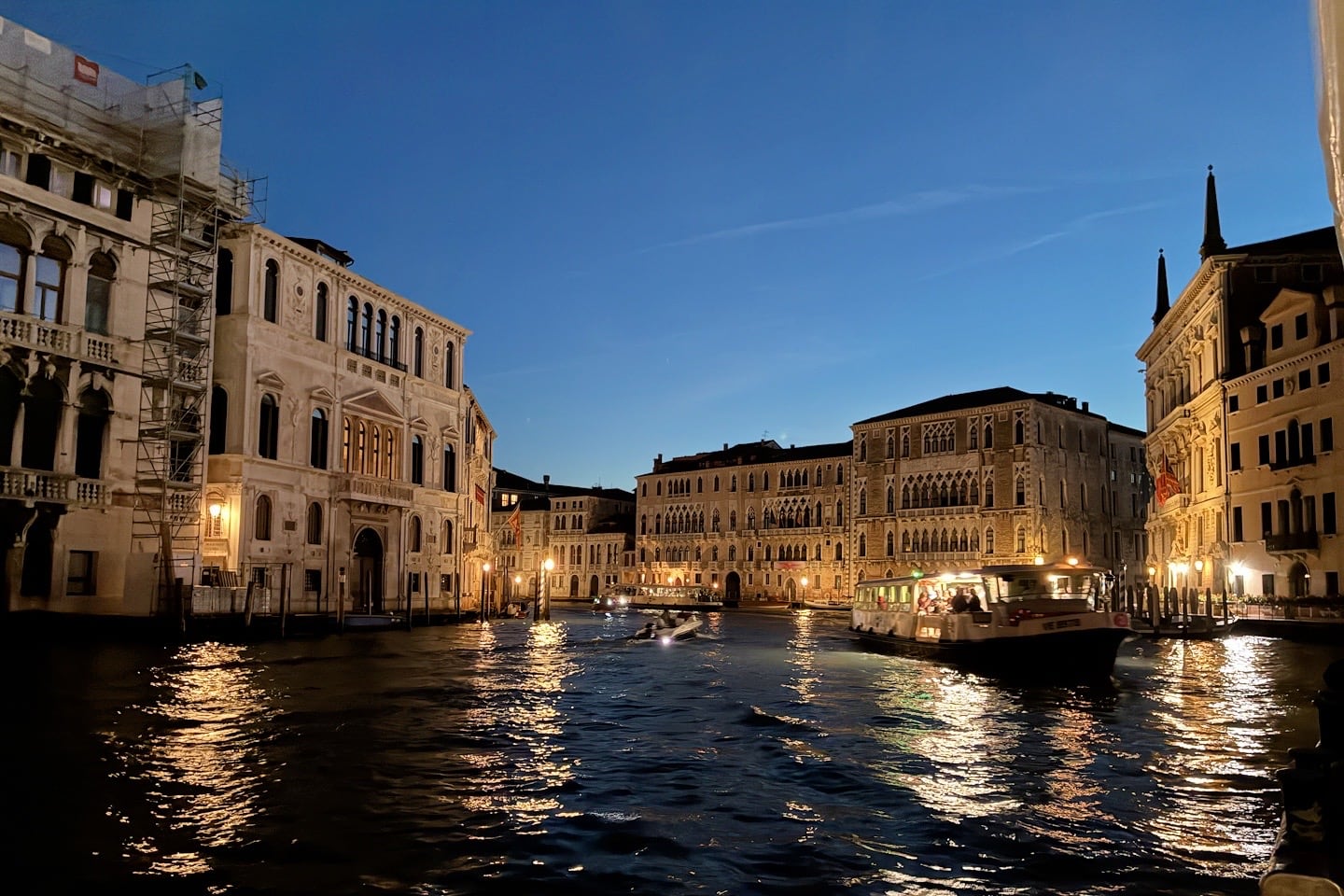
One of the most common questions travelers face when planning a visit to Venice is how much time they actually need.
Our answer? You can see the highlights in one day, but two or three days will give you a much better appreciation for the city.
Here’s how we’d prioritize our time.
Venice in One Day
If you only have one day, concentrate on the historic center.
Start around St. Mark’s Square and visit the basilica if it’s a priority.
From there, explore the surrounding pedestrian lanes, make your way toward the Rialto Bridge, and enjoy a vaporetto ride along the Grand Canal.
Leave some time for an unplanned walk and a relaxed meal.
We wouldn’t try to squeeze in Murano or Burano unless visiting the islands is your main reason for coming.
Venice in Two Days
With a second day, you can slow the pace down considerably.
Visit the Campanile or Doge’s Palace, spend more time exploring Dorsoduro and Cannaregio, and enjoy Venice without constantly watching the clock.
Two days also gives you more flexibility to work around crowds, weather, and attraction opening times.
For many first-time visitors, we think this is a good balance.
Venice in Three Days
Three days is what we’d recommend if your itinerary allows.
You’ll have enough time to experience Venice’s major attractions, explore quieter neighborhoods, and venture out into the lagoon.
We’d dedicate part of one day to Murano, with the option of continuing to Burano if you have the energy and interest.
Most importantly, three days gives you room to enjoy Venice at your own pace. This is the amount of time we devoted to Venice and thought it was just about right.
How to Plan Your Visit to Venice
How to Get to Venice
Venice is well connected to other destinations in northern Italy, making it relatively straightforward to reach by train, plane, or road.
Arriving by Train
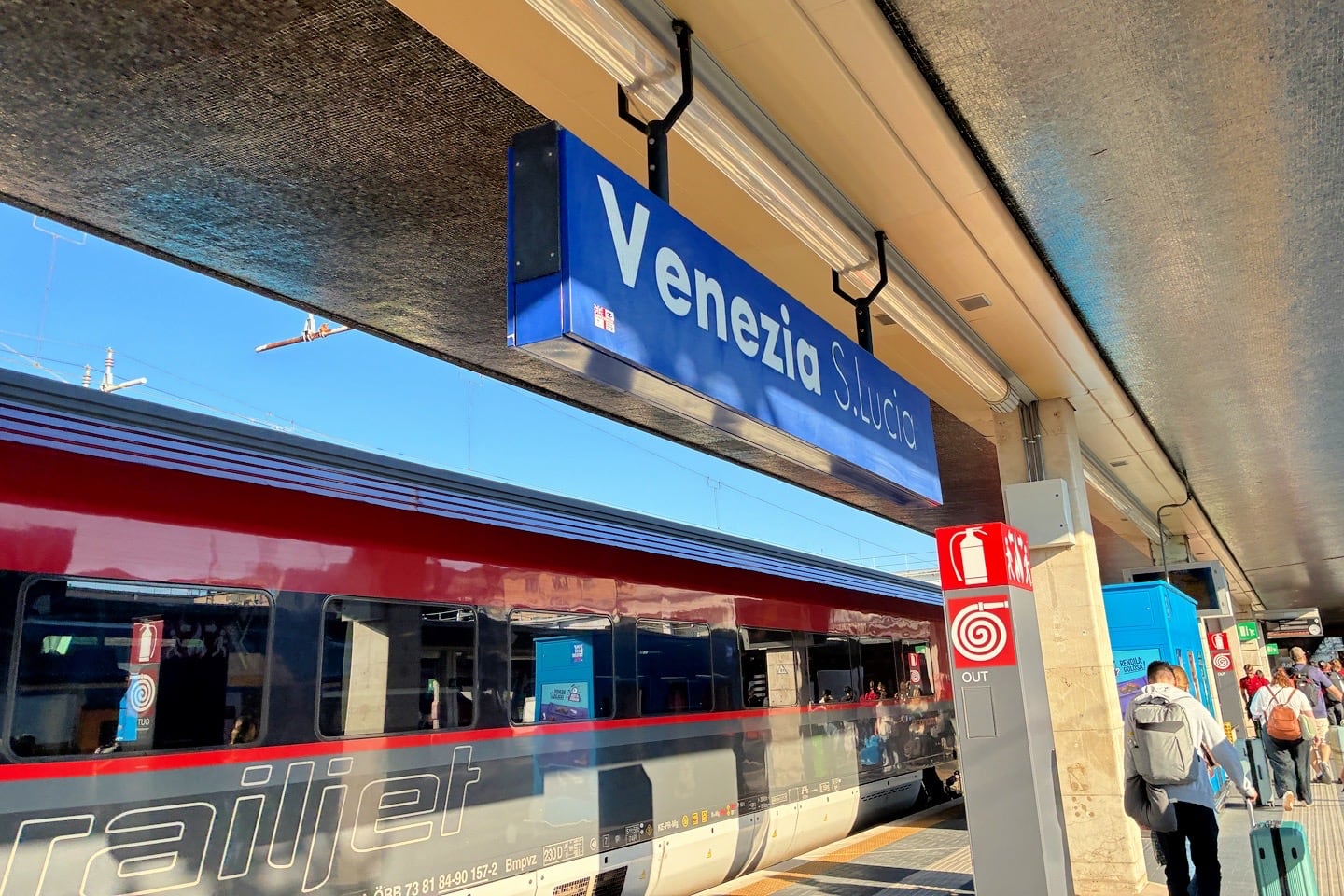
We arrived in Venice by train and would highly recommend doing the same.
Venice Santa Lucia railway station sits directly on the Grand Canal, meaning you step out of the station and immediately find yourself in the historic city.
It’s a one-of-a-kind introduction to a one-of-a-kind city!
From there, you can walk to your accommodation or catch a vaporetto to another part of Venice.
Trains connect Venice with cities such as Bologna, Florence, Milan, Verona, and Rome.
If you’re already traveling around Italy, rail is often the most convenient way to arrive.
Just be sure your ticket takes you to Venezia Santa Lucia, rather than Venezia Mestre on the mainland, if your destination is the historic center.
Arriving by Plane
Venice Marco Polo Airport (VCE) is the main international airport serving the city.
From the airport, travelers can reach Venice by land-based bus connections, airport water buses, or private water taxi.
The best option depends on your budget, luggage, and where you’re staying.
Airport water transport can be particularly convenient for accommodation near a suitable boat stop, although it generally costs more than taking a bus to Piazzale Roma.
Visiting Venice on a Day Trip
Venice is also a popular day-trip destination from other Italian cities.
Bologna and Verona are particularly convenient starting points, while Florence, Milan, and even Rome are possible with an early departure and a longer day.
If you haven’t already arranged your day trip, you can start your online search here:
If you’re arriving on a cruise ship, be sure to check where your ship actually docks and how you’ll be transferred to Venice’s historic center.
Cruise operations and port arrangements have changed considerably in recent years, and not all itineraries bring passengers directly into Venice.
If you’re not arriving on a cruise ship, we recommend checking the Venice area cruise schedule and planning your visit on non-cruise ship days.
Getting Around Venice
Venice is one of the most pedestrian-friendly cities we’ve visited, largely because there are no cars in the historic center.
But pedestrian-friendly doesn’t necessarily mean effortless.
The city’s bridges, narrow lanes, and occasionally confusing layout can make even relatively short walks take longer than expected.
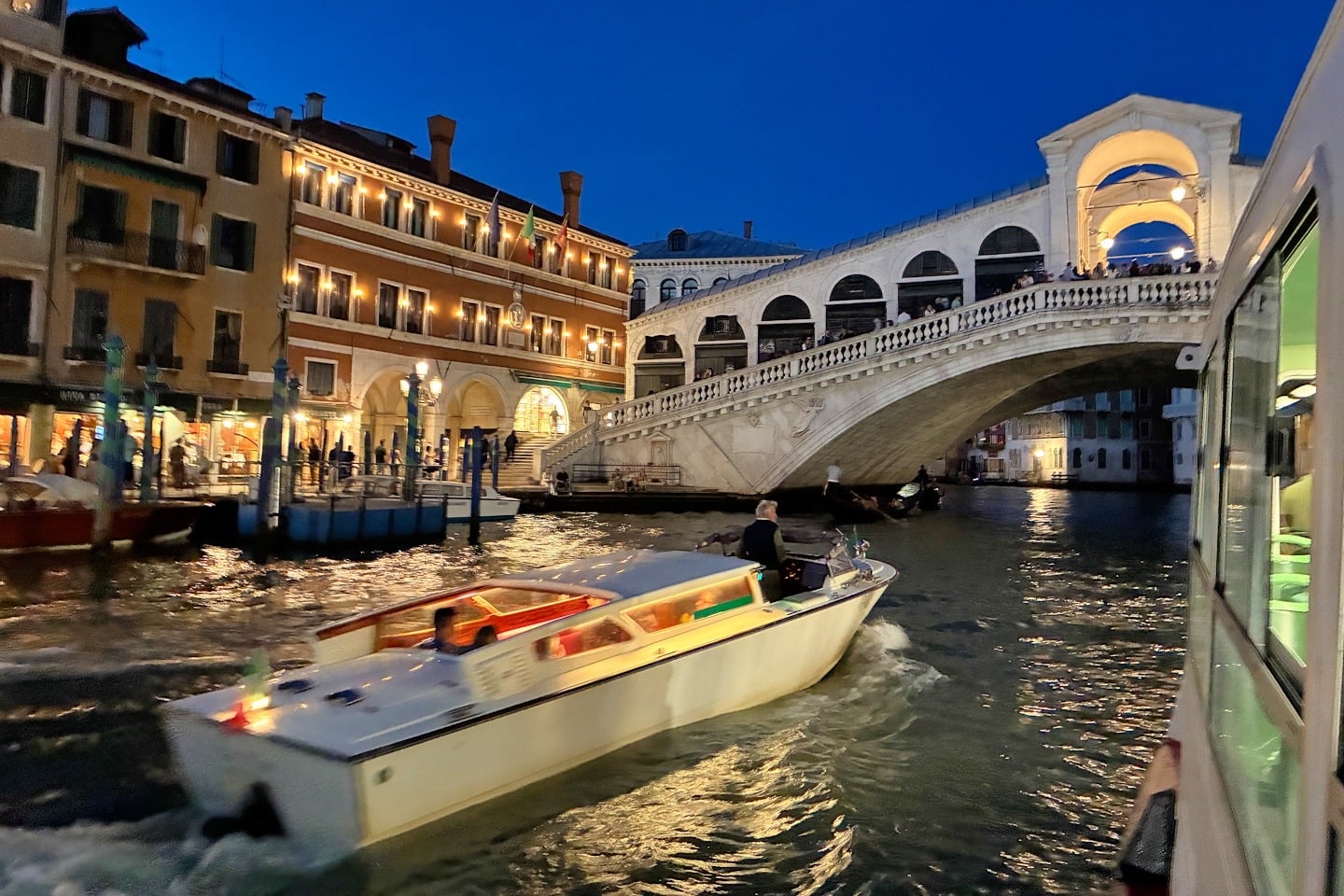
That’s where the vaporettos come in.
For our group, combining walking with regular water bus rides worked extremely well.
We could explore a neighborhood on foot, then hop aboard a vaporetto when we wanted to cover more distance or simply rest our legs.
If you’re staying several days, we’d seriously consider purchasing a multi-day ACTV pass.
Private water taxis are another option, particularly for travelers with heavy luggage or those wanting direct transfers.
Just be prepared to pay substantially more for the convenience.
One final consideration: Venice’s many stepped bridges can present challenges for travelers using wheelchairs, strollers, or other mobility aids. Plan routes carefully rather than assuming every pedestrian path will be accessible.
Where to Stay in Venice
One decision we were particularly happy with was staying in historic Venice rather than on the mainland.
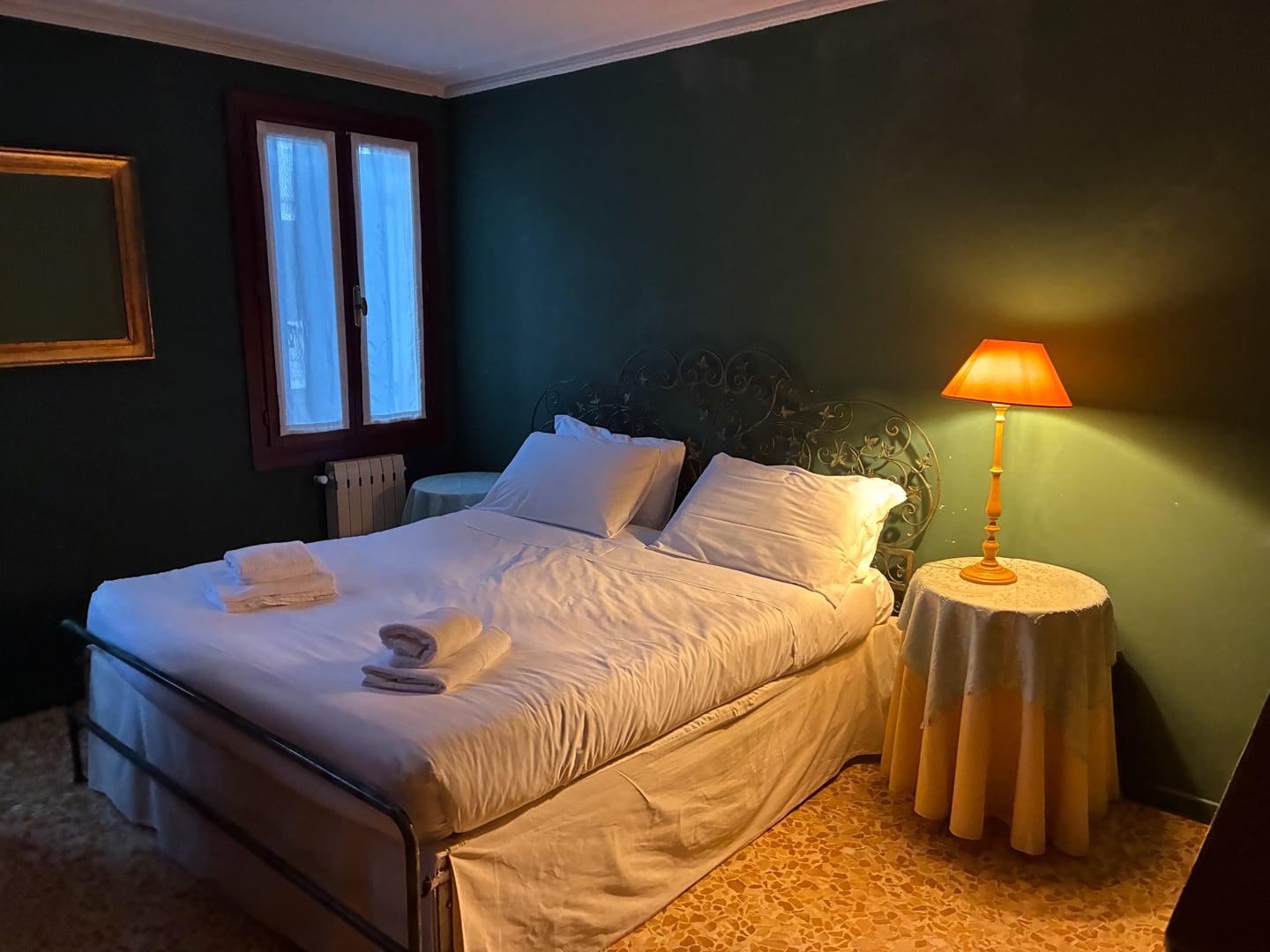
Our apartment in Dorsoduro, near the Gallerie dell’Accademia, gave us a comfortable base for exploring and allowed us to experience the city at a slower pace.
For a multigenerational group, having our own space was a big advantage.
We could take breaks between outings, spend time together away from the crowds, and head back out whenever we felt like exploring.
If your budget allows, we’d strongly recommend staying in Venice’s historic center for at least a night or two.
Dorsoduro would be near the top of our list for a return visit.
Cannaregio is another area we’d consider, particularly for travelers interested in a neighborhood atmosphere and convenient access to the railway station.
San Marco puts you close to many of the major attractions, but accommodations there can be expensive and the surrounding streets particularly busy.
For budget-conscious visitors, Mestre, on the mainland, offers another option with rail and bus connections into Venice.
The tradeoff is that you’ll need to commute into the historic center each day.
For us, being able to step outside our apartment and immediately start exploring Venice was worth a lot.
▸ Browse accommodation in Venice or explore by location:
When Is the Best Time to Visit Venice?
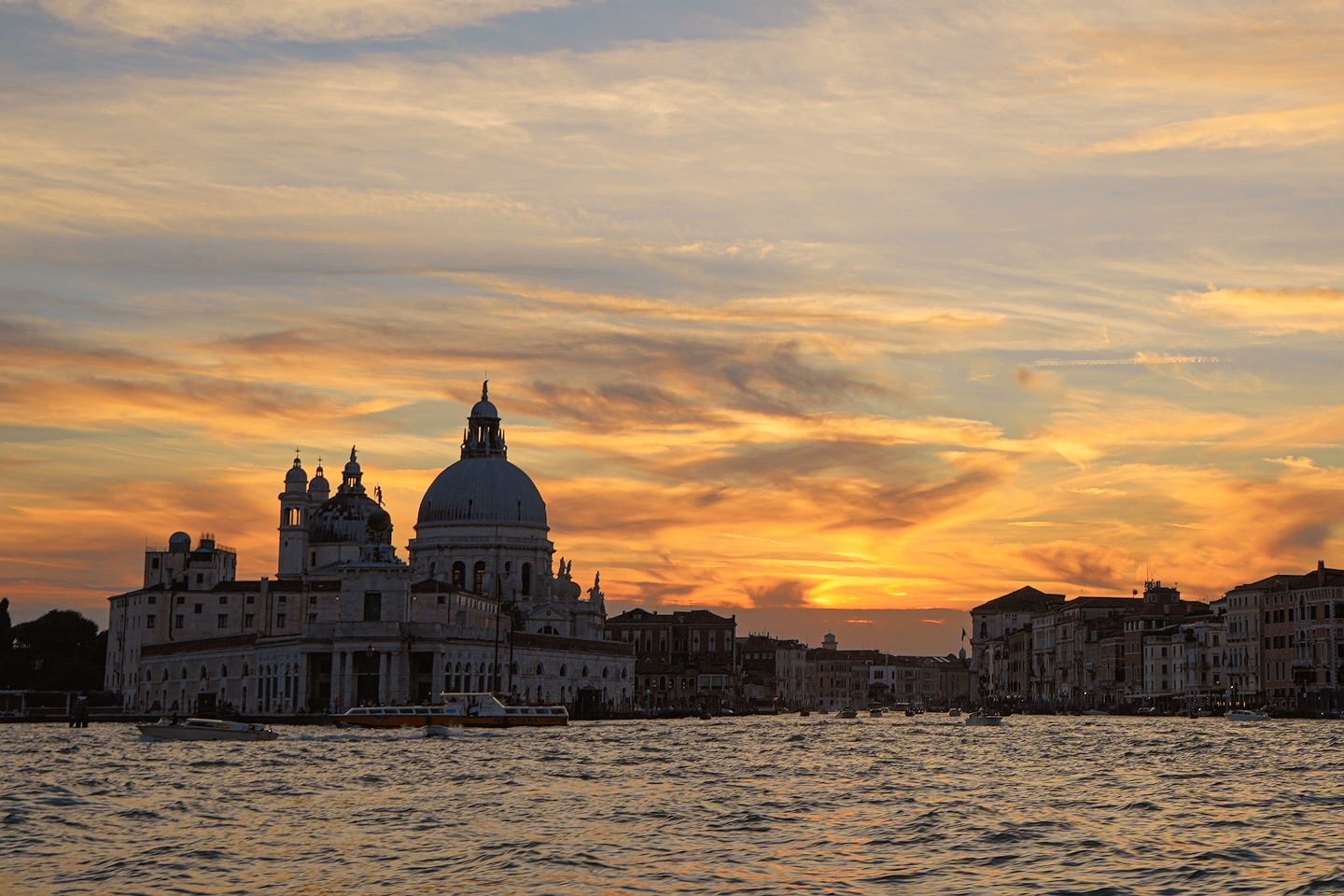
We visited in early October and found it a good time to explore.
The weather was perfect for walking, and we happened to be there during several days when no cruise ships were in port.
That made a noticeable difference in terms of crowds.
Of course, that doesn’t mean October is always quiet. Venice attracts visitors throughout much of the year, and conditions can vary considerably from one week to the next.
We hear spring and fall are generally appealing for sightseeing, while summer brings longer days, warmer temperatures, and often substantial crowds.
Winter can be atmospheric, although daylight hours are shorter and the weather can be cold and damp.
It’s also worth understanding acqua alta, the seasonal high-water events that can temporarily flood low-lying parts of Venice.
These events are more common during the cooler months, although conditions vary from year to year.
If you’re visiting during a period when high water is possible, check local forecasts and be prepared to adjust your plans.
Our biggest recommendation is to choose dates that work for your overall Italy itinerary, then plan your sightseeing around the conditions you’re likely to encounter.
More First-Hand Tips for Visiting Venice
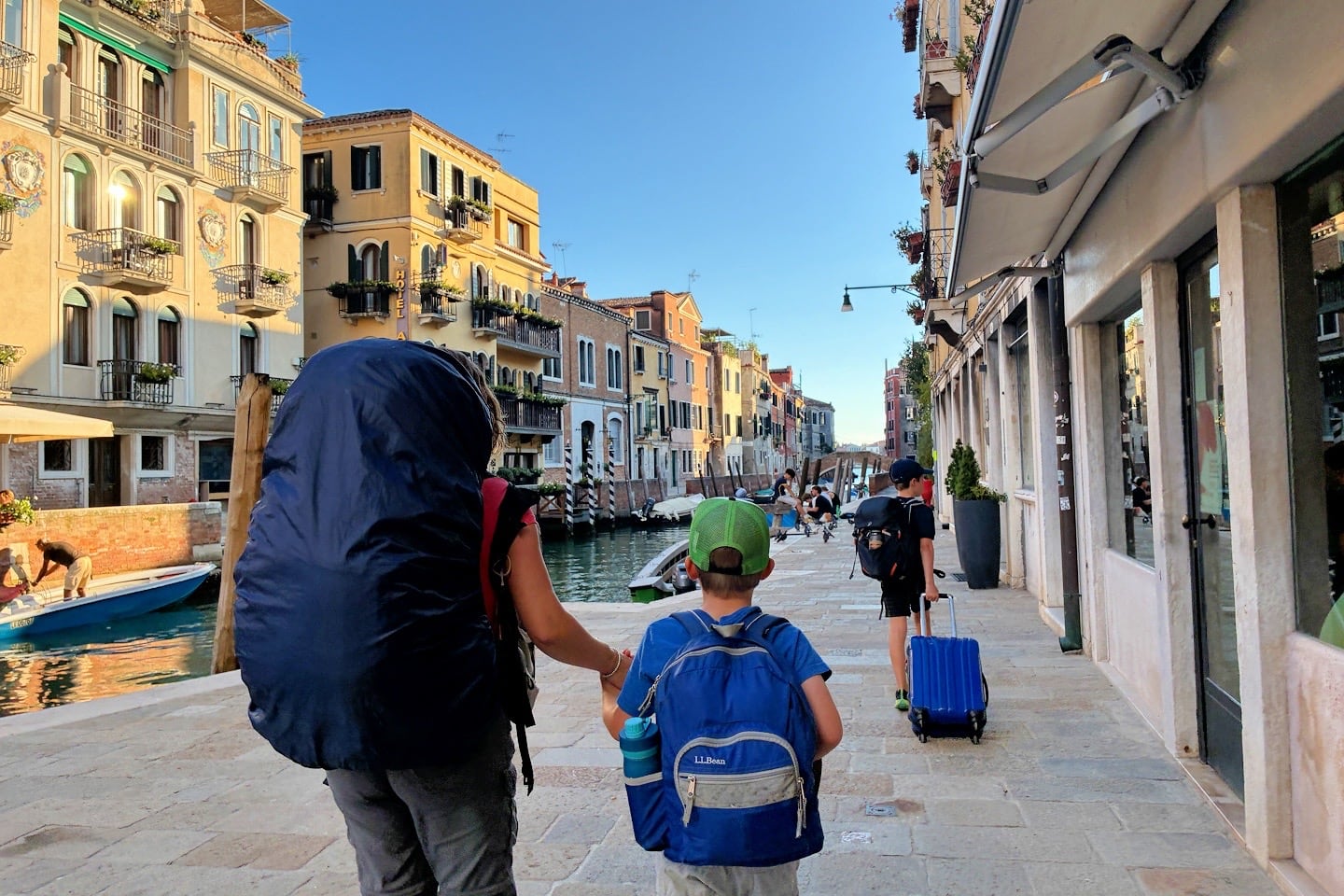
After several days exploring Venice with my parents and our two boys, a few things stood out that we’d keep in mind for a future visit.
✓ Don’t underestimate the walking. Venice looks compact on a map, but the bridges and winding pedestrian lanes can make getting around more tiring than expected. Build in breaks, particularly if you’re traveling with children or older family members.
✓ Consider staying overnight. We really enjoyed having time to explore without feeling pressured to fit everything into a single day. Being based in Dorsoduro also made it easier to experience Venice beyond the busiest sightseeing routes.
✓ Use public transportation strategically. Our 72-hour vaporetto passes made exploring considerably easier. Even if you enjoy walking, having the option to hop aboard a water bus can be a big advantage.
✓ Don’t schedule every hour. Some of our absolute favorite moments came from wandering without a destination in mind. Leave room for unexpected discoveries.
✓ Prioritize a few paid attractions. Venice has no shortage of museums, churches, palaces, and tours. But trying to visit too many can quickly become expensive and exhausting. Choose only a handful of experiences that genuinely interest you.
✓ Make time for the neighborhoods. St. Mark’s Square and the Rialto Bridge are worth seeing, but Dorsoduro and Cannaregio gave us some of our most enjoyable time in Venice.
And perhaps most importantly, don’t let the city’s reputation for overtourism discourage you from visiting altogether.
There’s still plenty to appreciate here.
Venice Overtourism: Tips on Avoiding Crowds and Being a Respectful Visitor

There’s no denying that Venice faces serious challenges from tourism.
Millions of visitors are drawn to a relatively small historic city, placing pressure on public spaces, transportation, housing, and everyday life for residents.
We noticed the crowds during our recent visit, particularly around the most famous attractions.
But we also found that a little flexibility can make a tremendous difference.
Exploring neighborhoods beyond the main sightseeing corridors, visiting popular landmarks earlier in the day, and staying overnight can all help create a more enjoyable experience.
We also think visitors have a responsibility to remember that Venice isn’t simply an open-air museum.
People live and work here.
Respect private property, keep pedestrian routes and bridges clear, dispose of trash properly, and support local businesses whenever possible.
Venice has also introduced visitor access rules and fees for certain day visitors on designated dates. Check the city’s official information before traveling, as requirements can change.
Ultimately, we don’t think avoiding Venice is the answer for most travelers.
Visiting thoughtfully, allowing enough time, and looking beyond the most heavily visited attractions can help make the experience better for everyone.
Final Thoughts: Is Venice Worth Visiting?
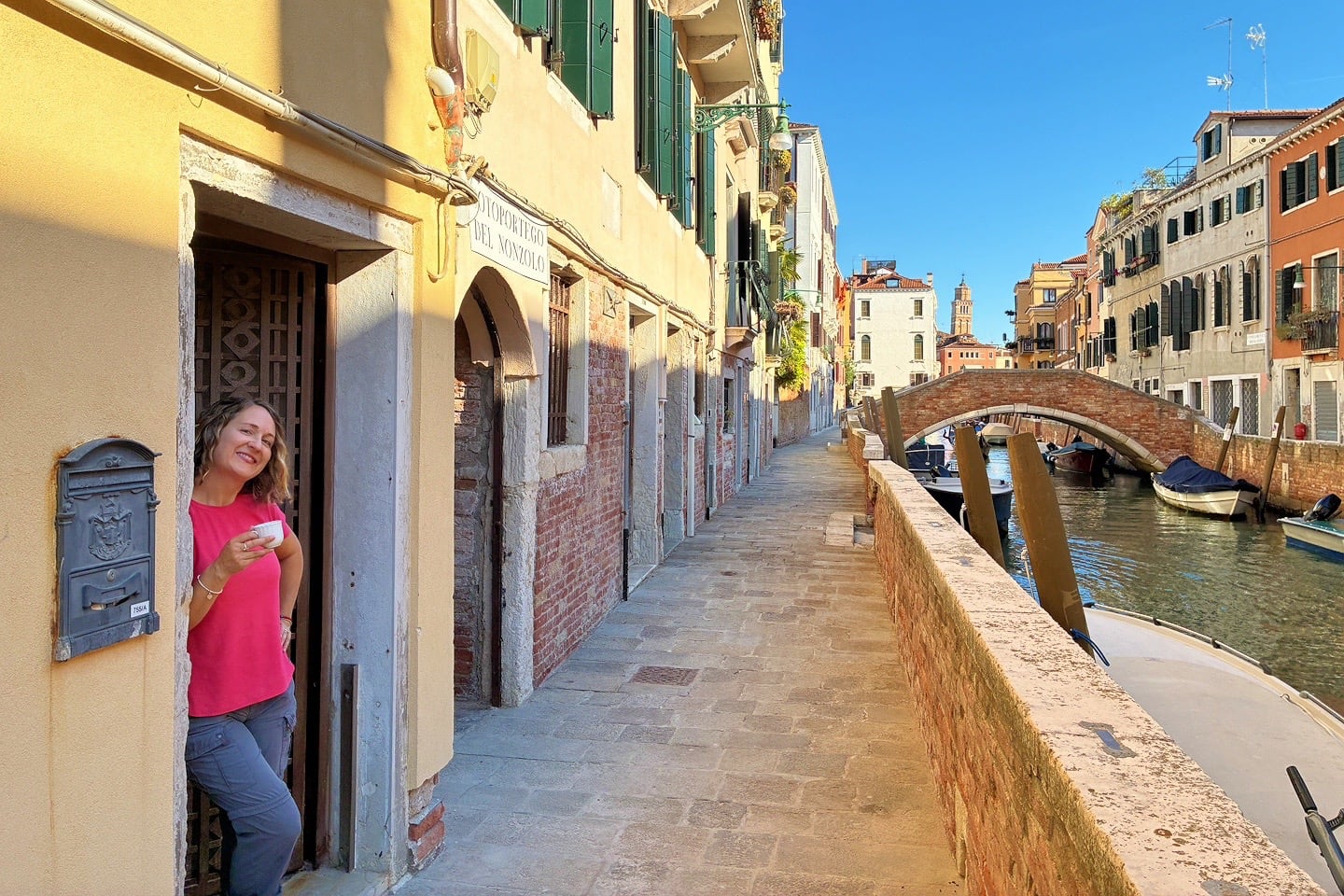
After 26 years away, I wasn’t entirely sure what to expect from Venice.
The crowds have grown, and the city certainly isn’t the undiscovered destination some travelers might wish it were.
But returning with Lori, my parents, and our boys reminded me why Venice made such an impression the first time around.
There’s simply nowhere else like it.
If you’re planning your first visit, we’d recommend spending at least two days, ideally three, and resisting the temptation to fill every hour with sightseeing.
Visit the famous landmarks, ride the vaporettos, explore the lagoon, and make plenty of time to wander.
More of Our Guides to Mediterranean UNESCO Heritage Sites
- 8 Worthwhile Things to Do in Selcuk, Turkey (Besides Ephesus)
- Day Trip to Cordoba (Spain) from Seville: How to Plan Your Visit
- The Royal Alcázar of Seville, Spain: How to Plan Your Visit
- Pena Palace in Sintra (Portugal): The Complete Guide
- Moorish Castle of Sintra (Portugal): How to Visit & What to Expect
- Jerónimos Monastery in Lisbon (Portugal)
- Aït Benhaddou (Morocco): 8 Worthwhile Things to See & Do
- Topkapi Palace in Istanbul (Turkey): How to Visit