
Most of the Algarve’s best-known destinations hug Portugal’s idyllic southern coastline. But the former royal stronghold of Silves is an exception.
For nearly 700 years, Silves was the capital of the Algarve Kingdom, which dissolved in 1910 when the Portuguese monarchy was deposed.
Today, Silves is a small town of just 11,000, but is a popular tourist draw for its medieval fortifications and quaint cobblestone footpaths. It’s an easy 40-minute train ride from Lagos (30 minutes from Albufeira Station), which made it an enticing little day trip for us.
Here’s what you need to know for visiting Silves, Portugal—whether you plan to stay just for the day or longer. We’ll cover why you might want to visit, how to get there, best things to see and do, where to stay, where to eat, and when to visit.
So let’s hop to it!
This post contains affiliate links. If you click and make a purchase, we might receive a commission (at no added cost to you). Thanks for supporting independent, ad-free blogs!
Why We Think Silves Is Worth Visiting
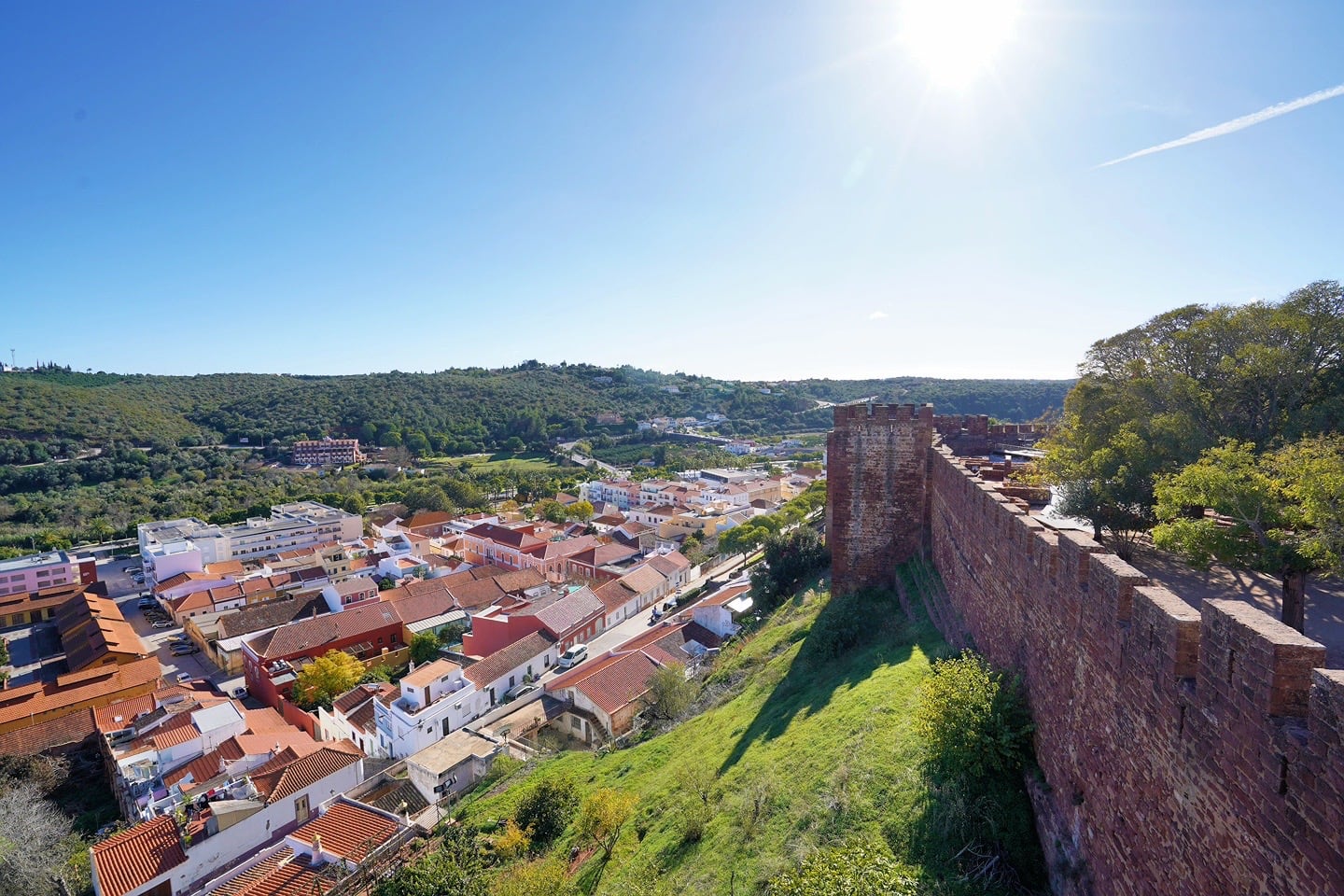
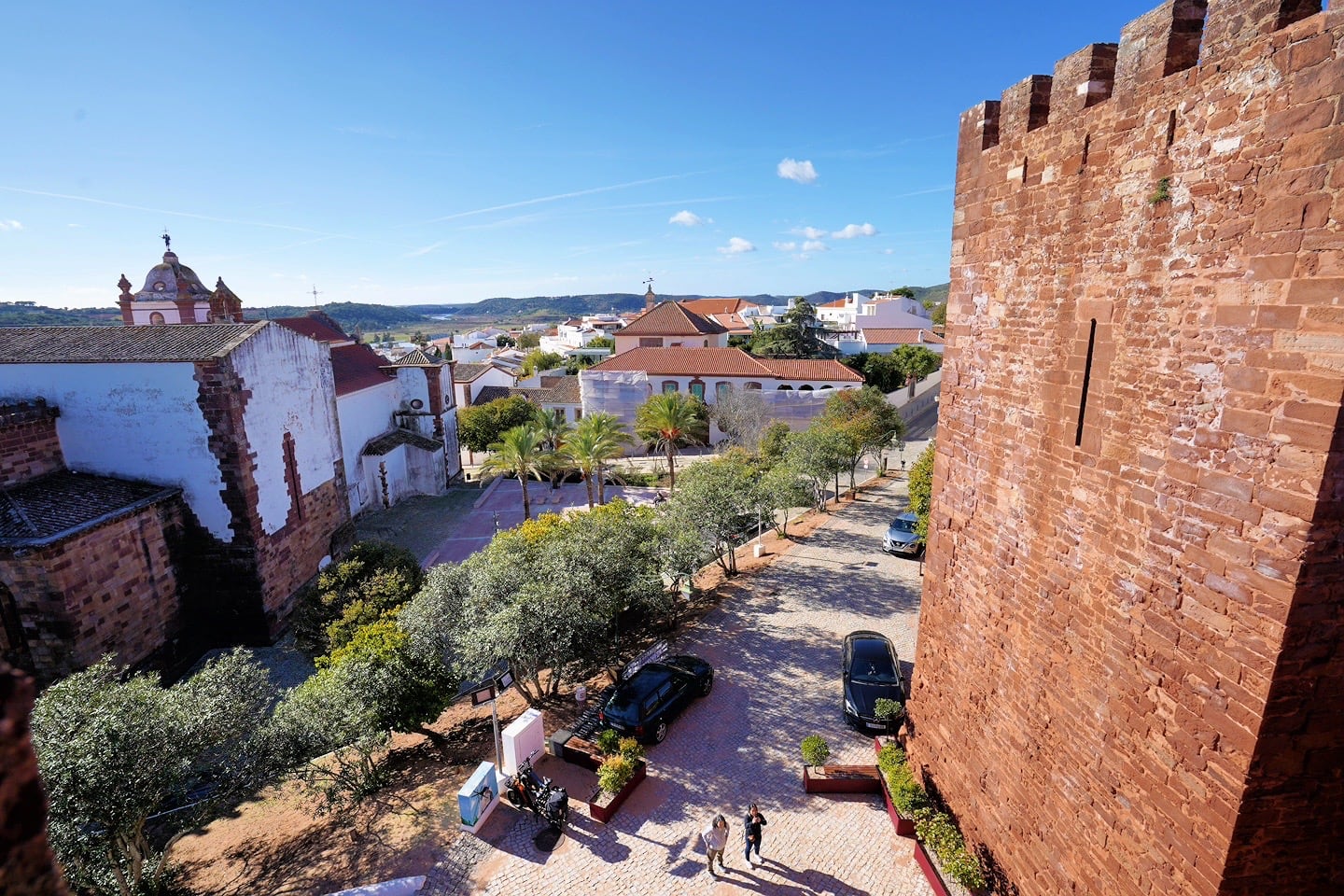
Unlike it’s seafront neighbors, Silves isn’t a flashy beachtown sidled next to golden strands. But that’s sort of the point of visiting.
Long before the Algarve became a beach destination, Silves was the region’s capital under Moorish rule. The town’s history goes back thousands of years, but its Islamic period—roughly the 8th to 13th centuries—is what defines it today.
The red sandstone castle, cathedral, and layout of the old town all trace back to this era, making Silves one of the best places in southern Portugal to get a sense of the Algarve’s fascinating history.
Silves also felt much more Portuguese and lived-in to us than your typical Algarve beach town. We saw locals running errands, kids playing near the river, and cafés that cater to residents more so than than tour buses.
It’s also compact and walkable, which makes it a good place to visit if you’re looking for a more meaningful cultural experience without committing to a full overnight stay—though staying the night has real advantages, which we’ll get into later.
The Best Ways to Experience Silves
Visiting Silves on a Guided Tour
We visited Silves on our own, but I wouldn’t say that’s the best choice for most travelers.
There are some very good reasons to join a guided tour, especially if Silves is part of a larger Algarve trip and you want context without doing the research yourself.
A knowledgeable guide adds depth to the castle, cathedral, and old town in ways that signs and placards just can’t.
The three most popular and consistently well-reviewed Silves tours currently are:
✪ from silves Guided visit to Silves the islamic capital of the Algarve — A focused walking tour that dives into Moorish history, the castle, cathedral, and medieval streets. This is ideal if Silves is your main destination for the day and you want a deeper understanding of what you’re seeing.
✪ From Albufeira Historical Algarve Region Tour — A broader tour that combines Silves with the Monchique mountains and a stop at Cabo São Vicente. This is a good option if you want to see some of the more hard-to-get-to Algarve destinations without renting a car.
✪ From Ferragudo Silves History & Nature Boat Tour — Make your way up the Arade River by boat with your experienced guide to the medieval castle and town of Silves. You may even spot some flamingos along the way!
If you’re short on time or traveling with kids who do better with storytelling than reading placards, we think a guided tour might be a good bet.
Visiting Silves Independently
With that said, for a lot of travelers, we think visiting Silves independently probably makes the most sense.
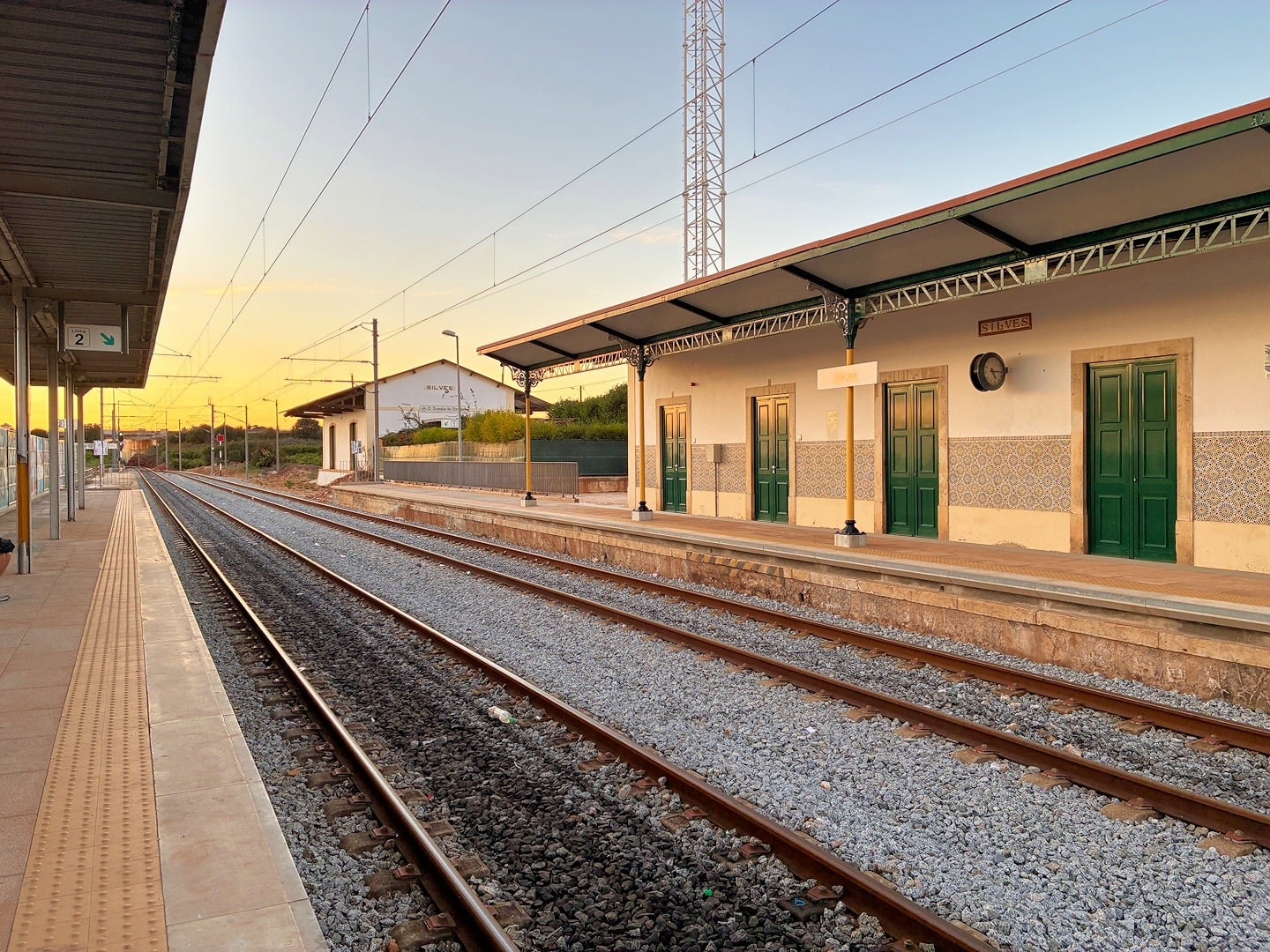
The town is small, clearly laid out, and easy to explore on foot for most visitors. We arrived by train and walked everywhere in town.
Trains and buses run to Silves from places like Faro, Portimão, and Lagos, though schedules can be limited depending on the day. If you’re relying on public transportation, check return times carefully so you’re not rushed at the castle or cathedral.
Use the official site Comboios de Portugal to check train schedules and fares.
Also, if you’re coming by train from Albufeira, keep in mind that Old Town Albufeira is about 6km from the train station. If you plan to take public transport from Albufeira, a bus might be the better mode.
But of course, if you’re staying in the Algarve and have access to a car, that will certainly make your visit easier and more flexible.
We think that visiting independently works especially well if you like wandering, reading signs, and setting your own pace. Silves isn’t overloaded with attractions—you’re here more for the atmosphere, history, and a few very cool sights.
Can’t-Miss Highlights in Silves
Silves is compact, but it’s packed with history. You don’t need a checklist mindset here, but there are a few key places that anchor the town and help it all make sense.
If you’re only here for the day, these are the spots we’d prioritize. If you’re staying overnight, it’s probably more enjoyable to spread them out and visit at quieter times (if visiting in the high season months…here in late November, it was pretty darn quiet all day long).
Silves Castle (Castelo de Silves)
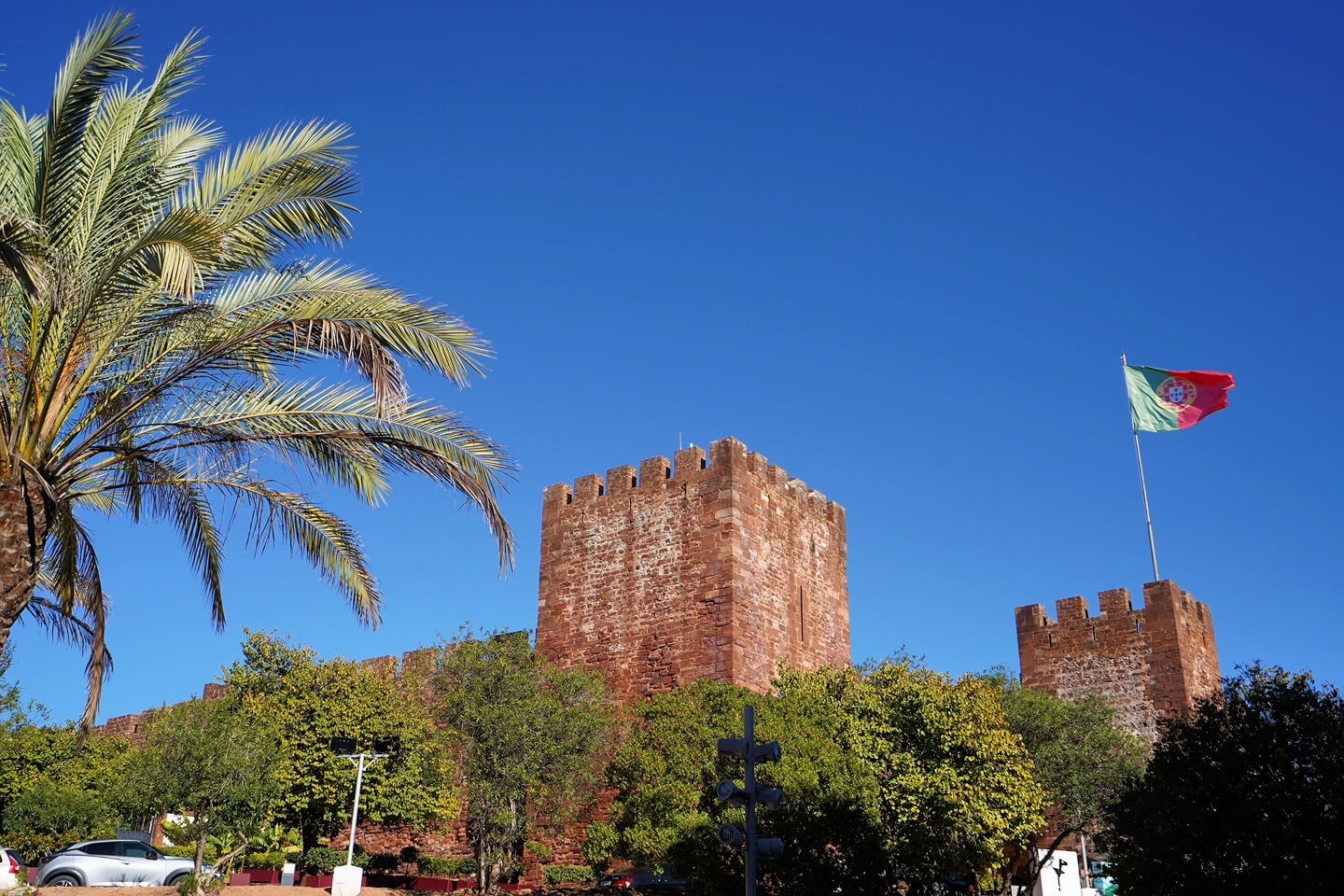
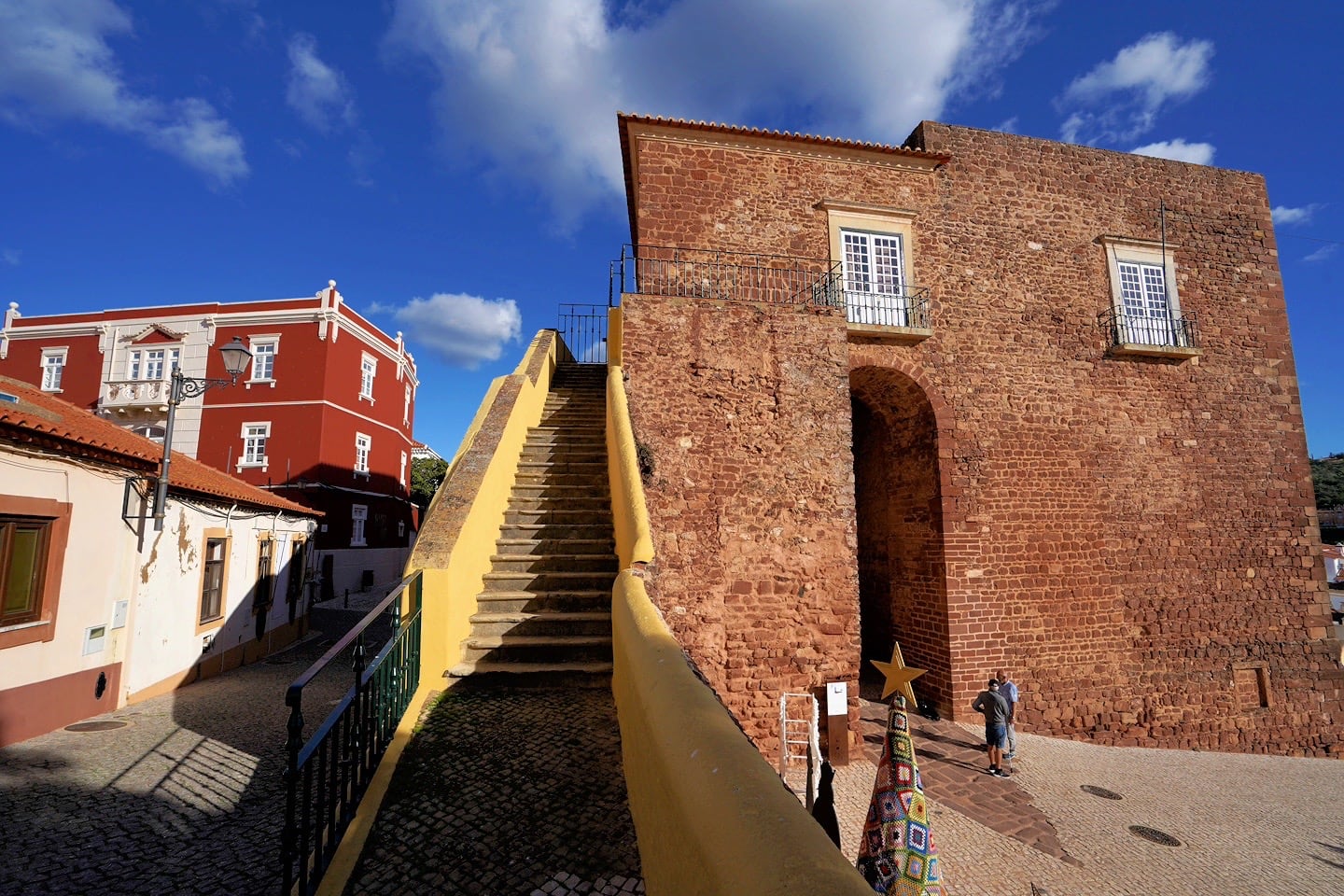
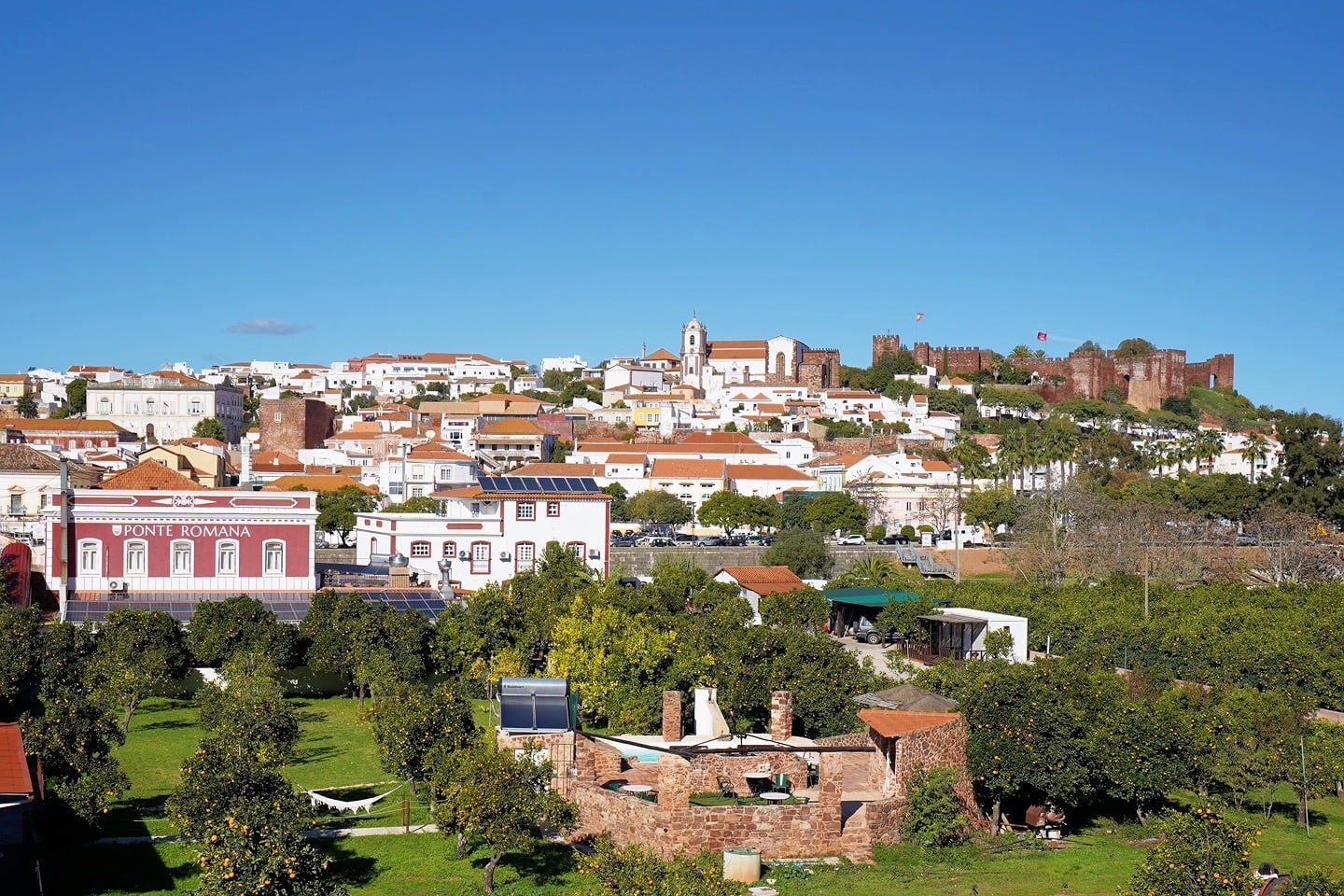
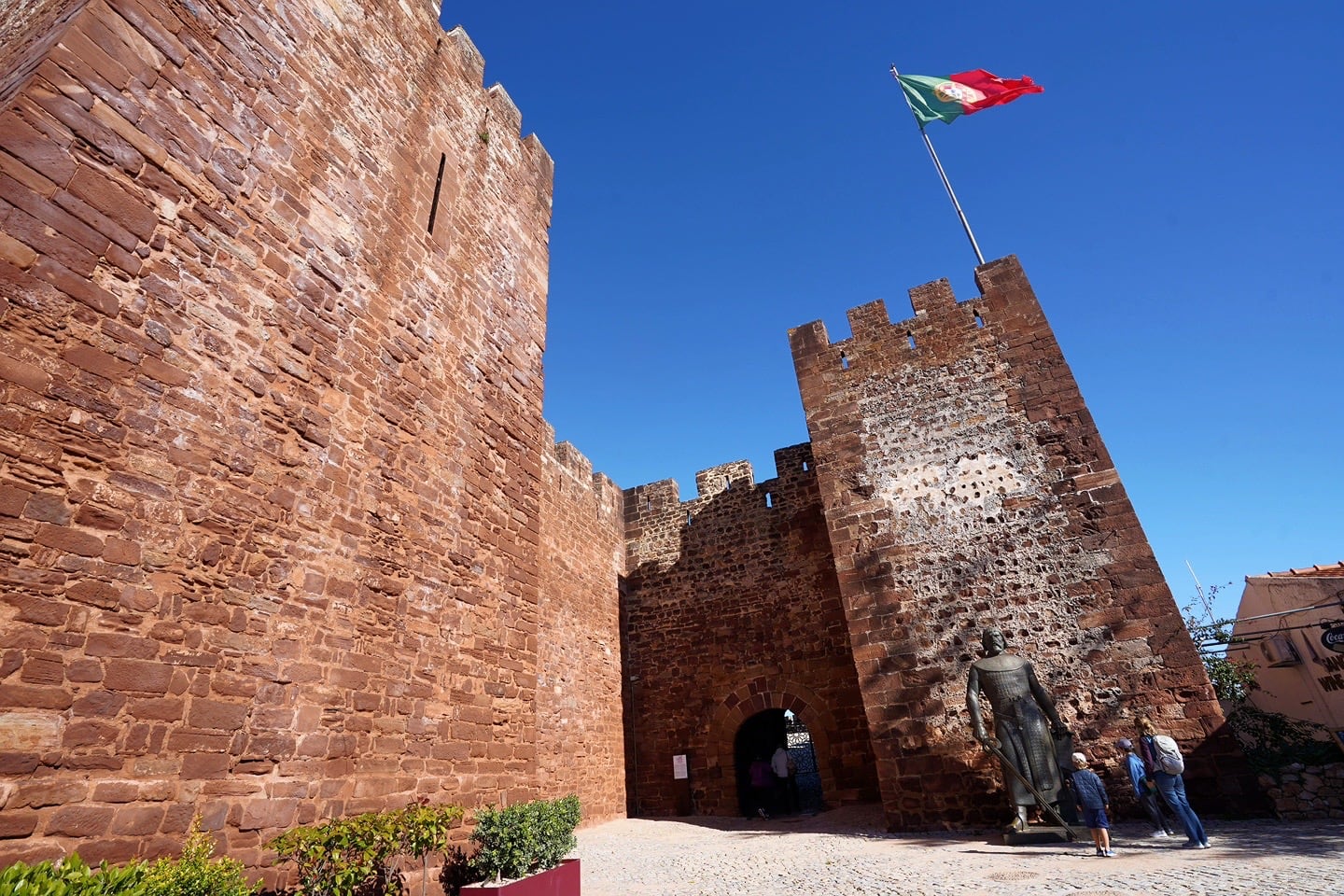
The castle (the one up on the hill—can’t miss it) is the obvious starting point—and for good reason. We hear it’s one of the best-preserved Moorish castles in Portugal and easily the most striking landmark in town.
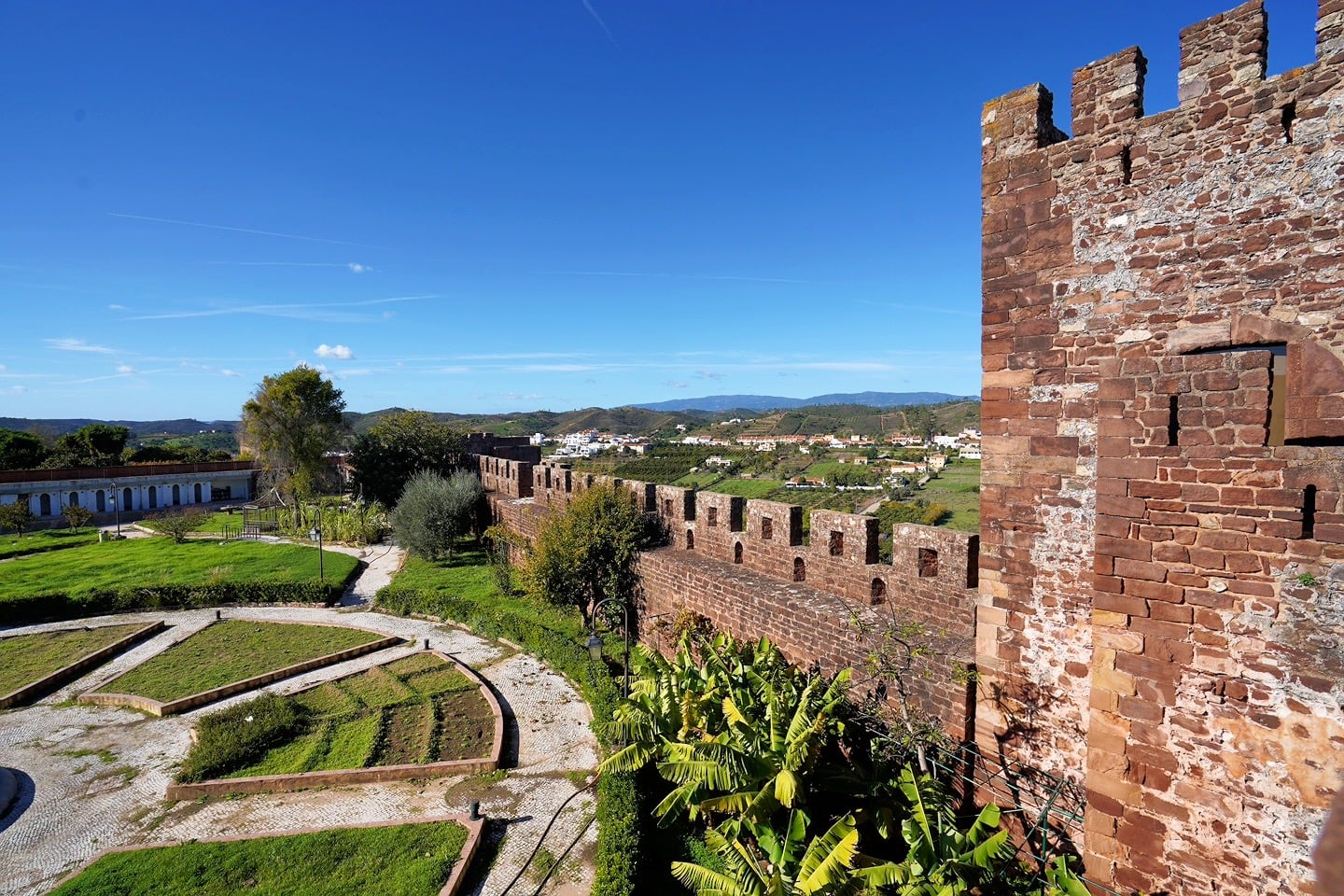
Built primarily from red sandstone, it dominates the “skyline” and gives you an immediate sense of why Silves mattered strategically during the Moorish period.
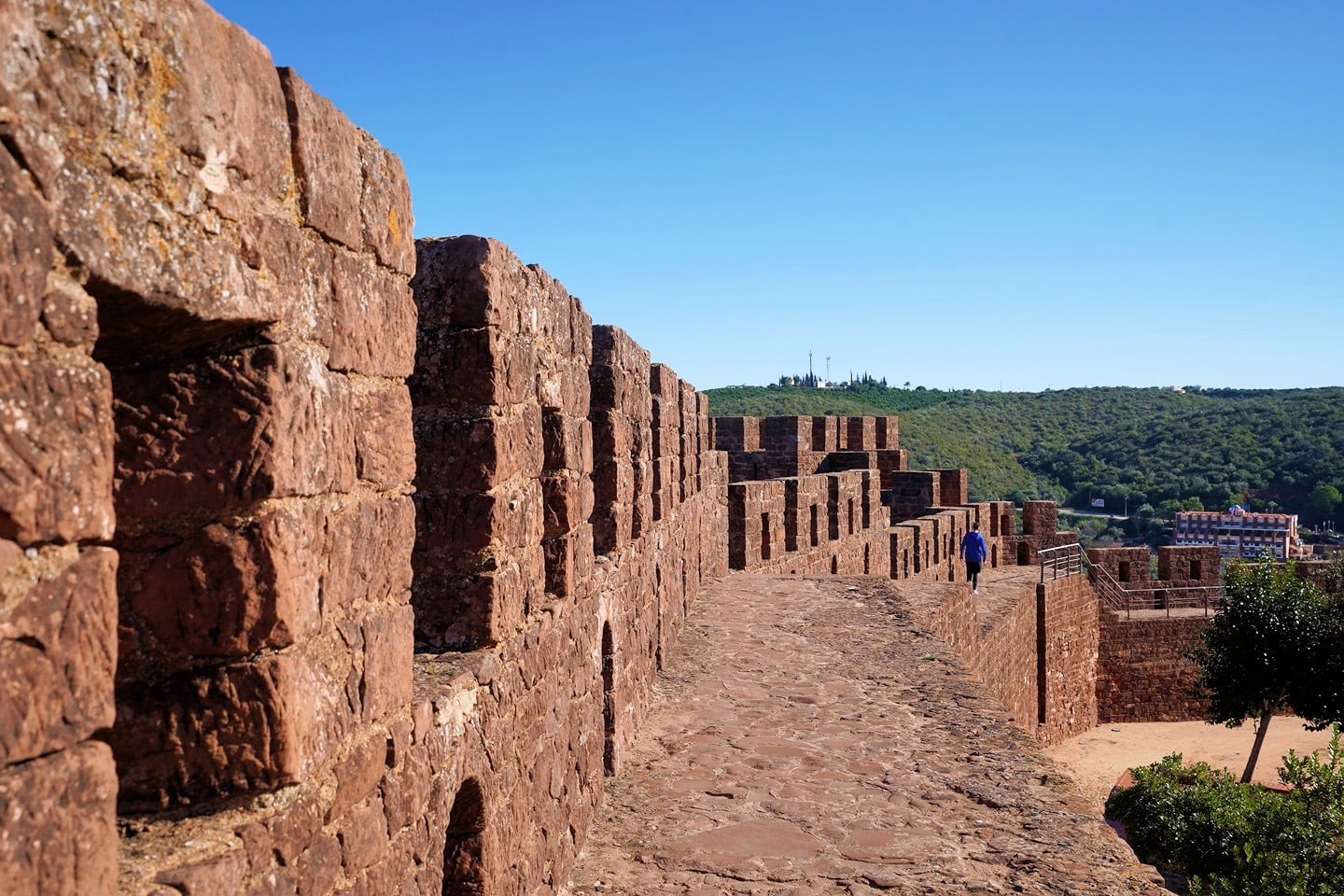
Inside the walls, there’s plenty of space to spread out and explore. You can walk the ramparts, climb towers, and look out over the town, the surrounding hills, and the Arade River. For all these reasons, our kids loved this place (as well as us adults).
Plan to spend at least 45 minutes to an hour here. We visited mid-morning, which worked well, but if you’re sensitive to heat, earlier is better, especially in summer. The walls cast very little shade at midday—bring water and sun protection! Good shoes help too—the ground is uneven in places.
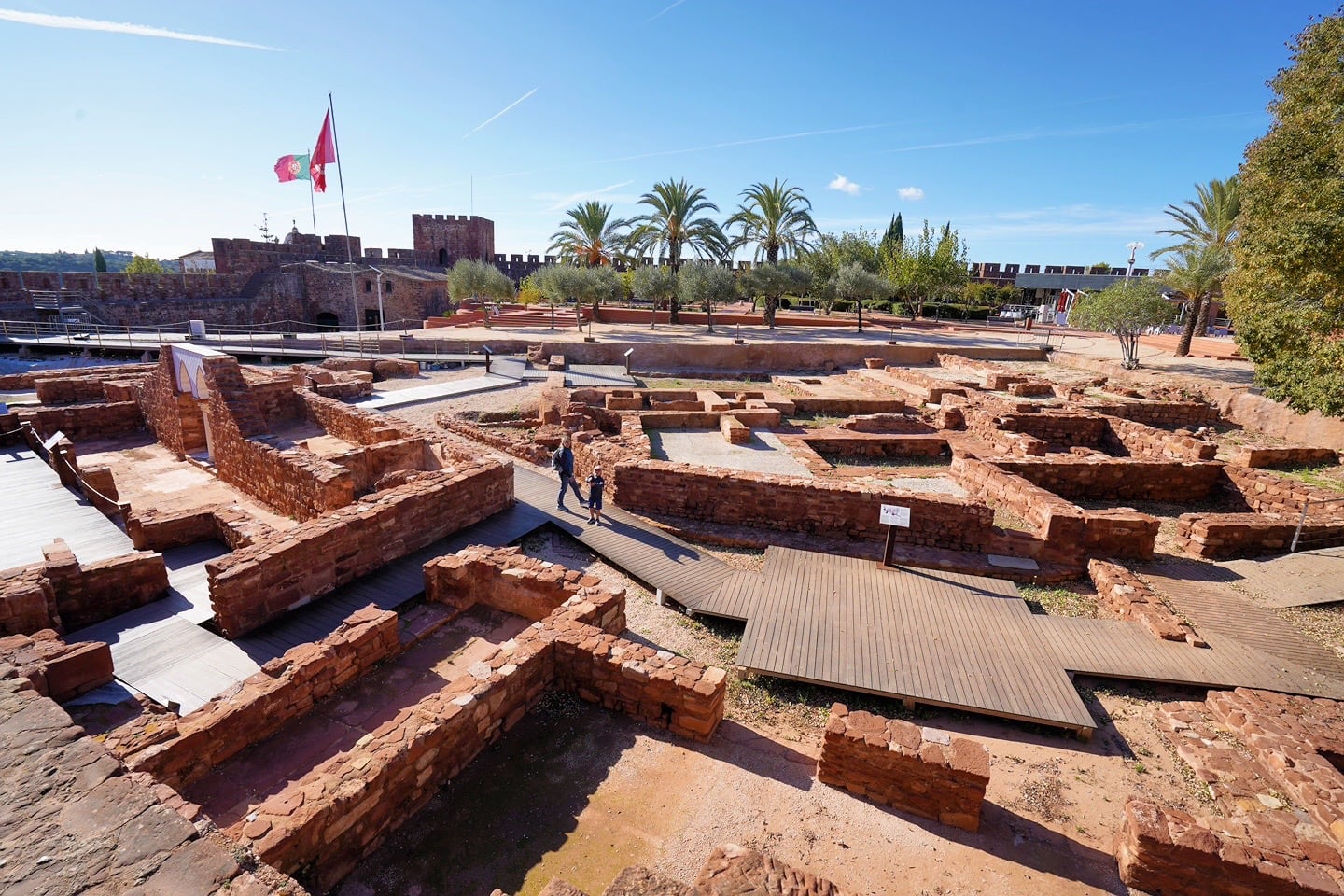
A small archaeological area inside the castle shows remnants of the old palace foundations. There’s also a cistern that’s worth a look. We recommend not skipping these; they’re fun to poke around in and add some useful context to the visit.
Sé de Silves (Silves Cathedral)
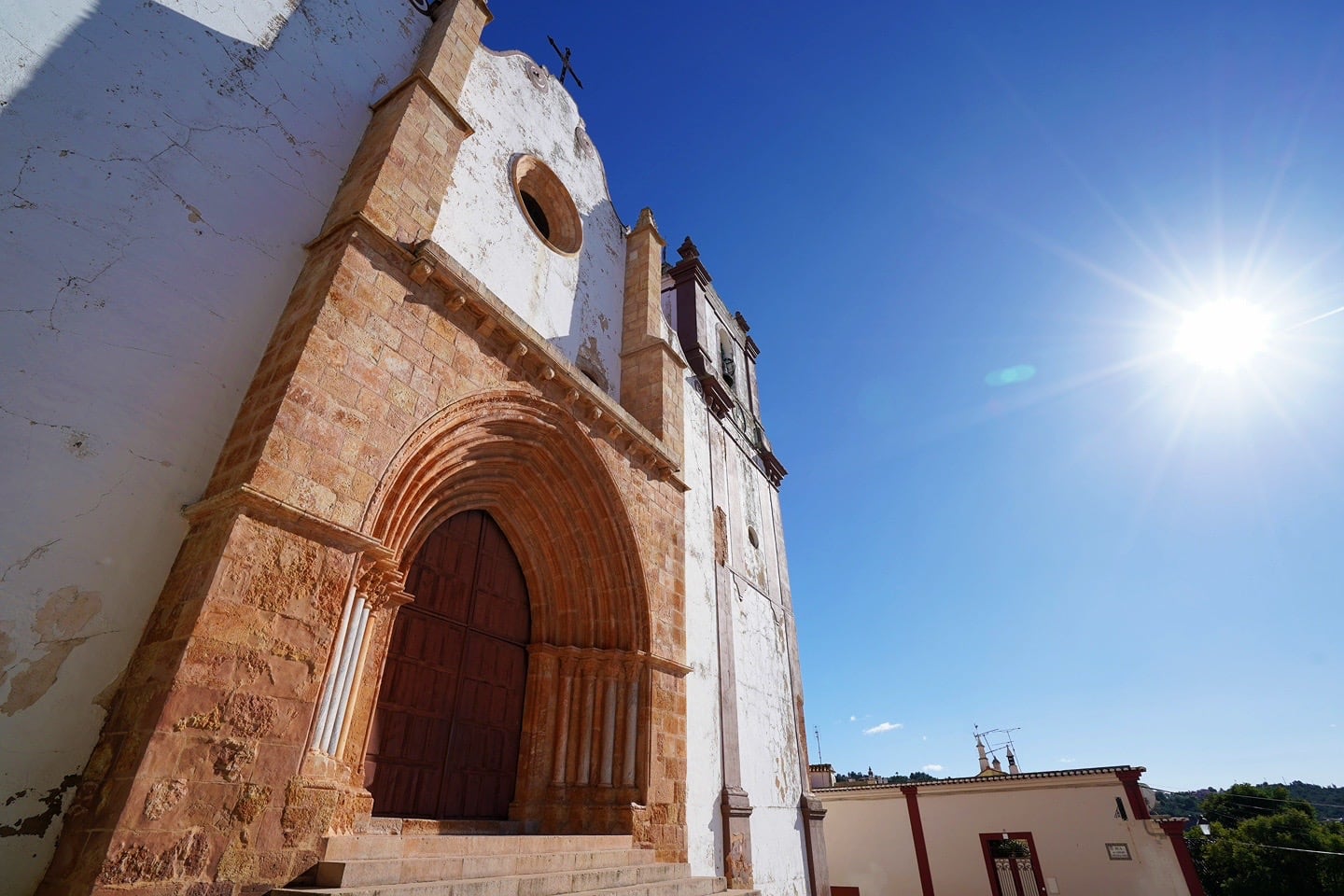
Just downhill from the castle is the Sé de Silves, a solid Gothic cathedral built largely from the same red stone as the neighboring castle. It sits on the site of a former mosque, which is common throughout the Algarve and southern Spain.
The interior is simple and peaceful, especially compared to more ornate cathedrals elsewhere in Portugal. As a bonus, the tomb of King João II is inside, which gives the building national significance as well.
You don’t need a long visit here—15 to 20 minutes is enough—but it’s worth stepping inside rather than just taking it in from the square.
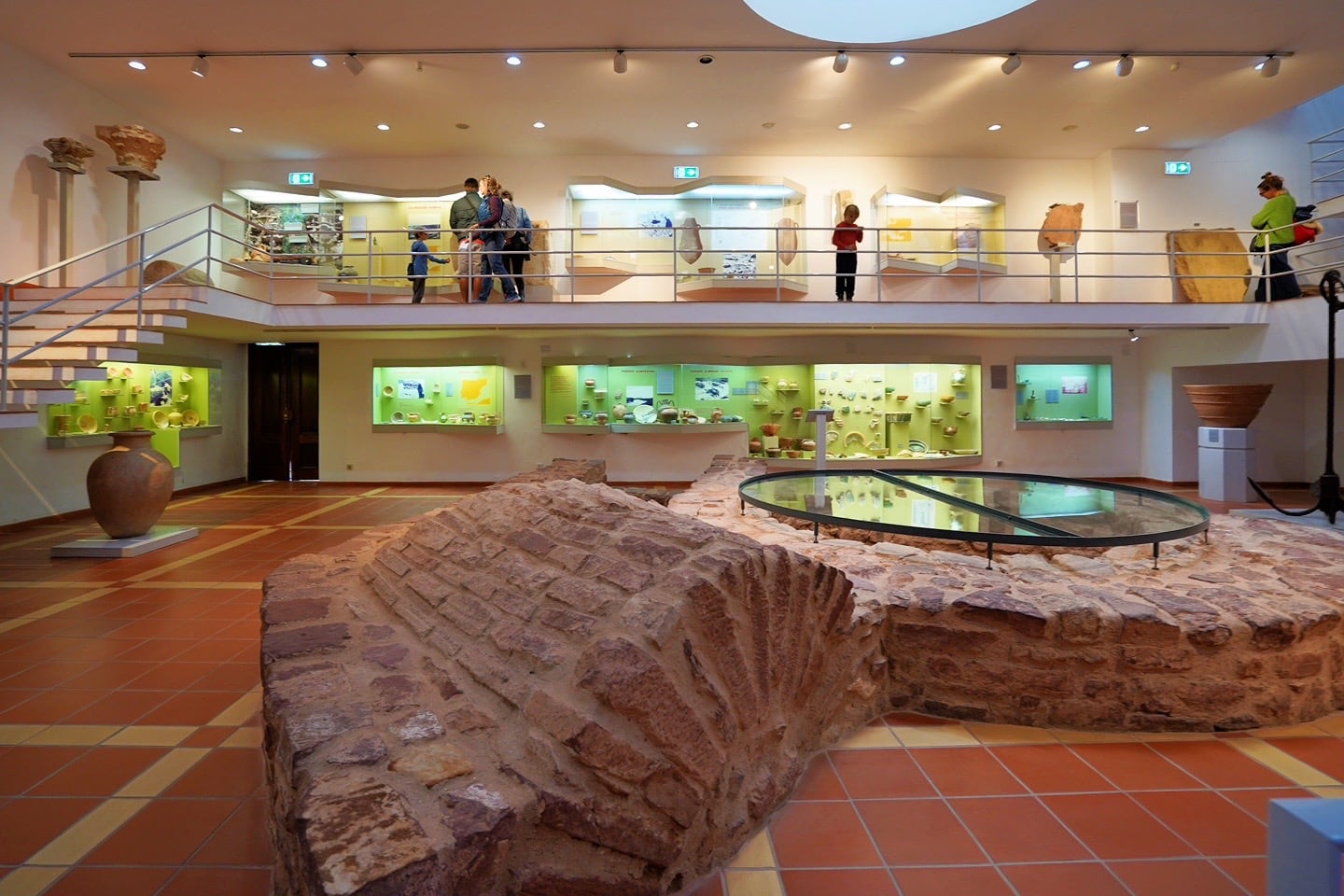
Silves Archaeological Museum (Museu Municipal de Arqueologia)
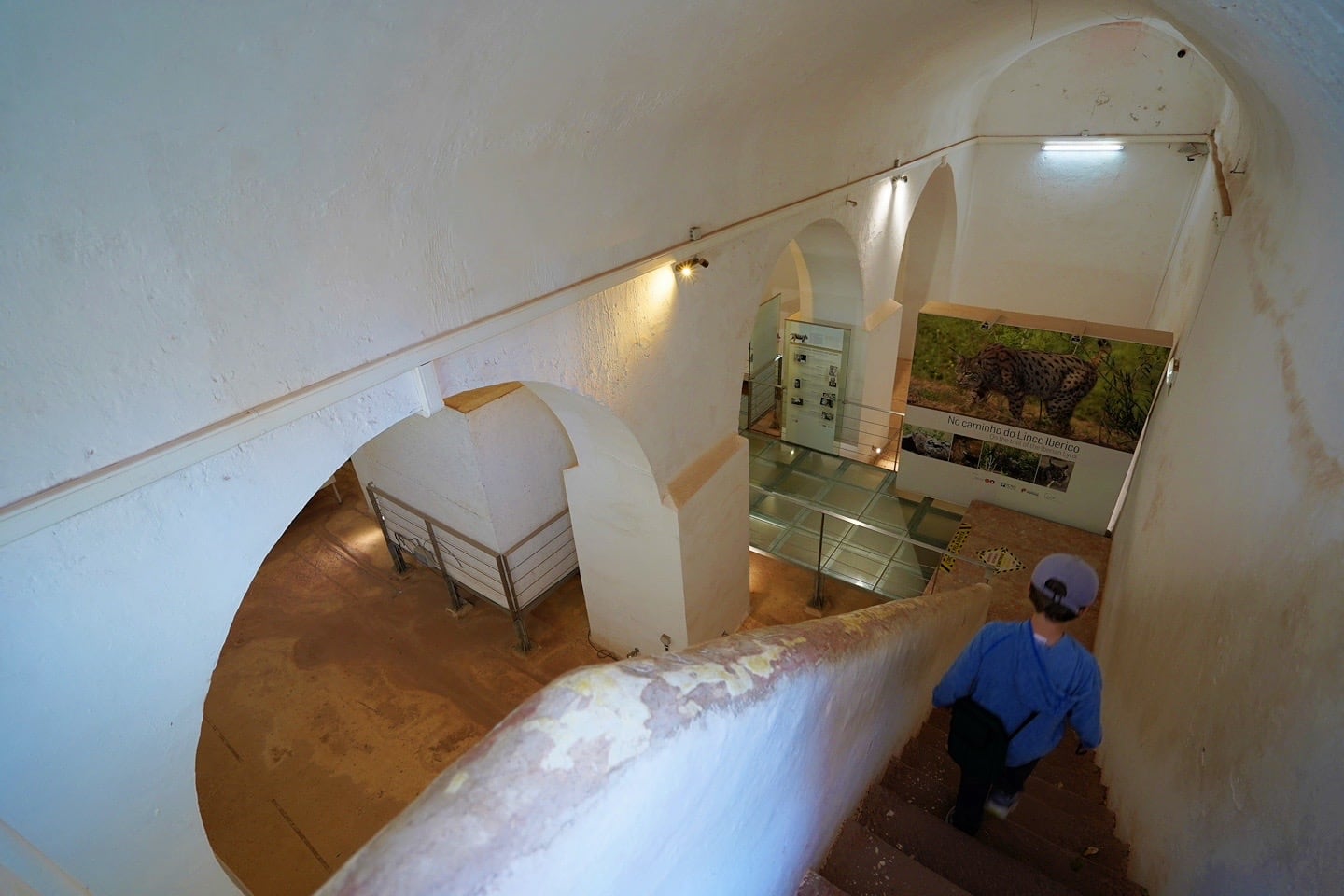
It’s easy to walk right by this museum and not know it (we almost did), but it’s one of the most informative stops in town. It focuses heavily on Silves’ Moorish past and does a good job explaining daily life during the Islamic period.
The highlight for us was a preserved stone well in the center of the museum. A set of stairs lead partially down the exterior of the shaft where you can get a good view into the shaft.
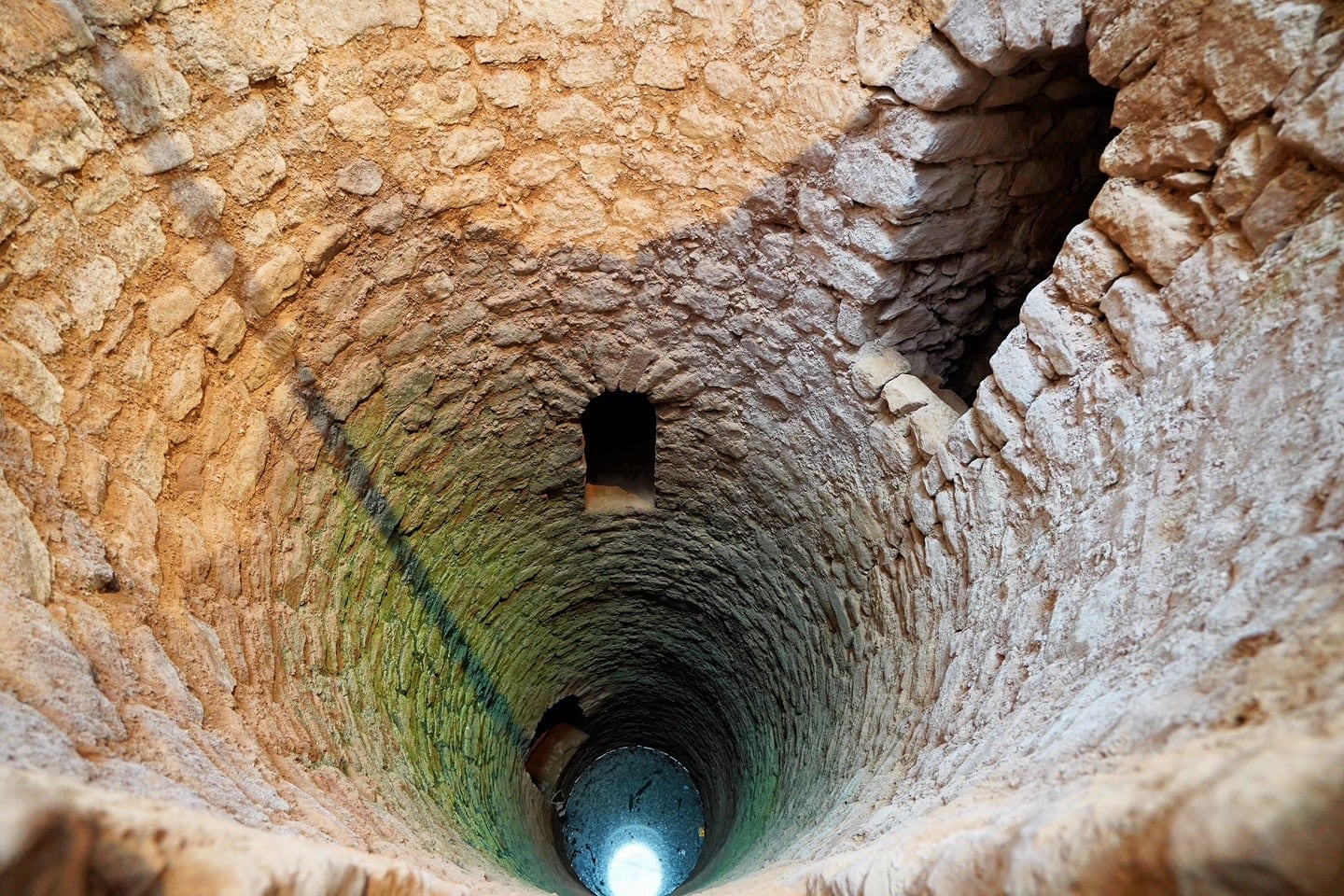
We found this visit especially helpful after seeing the castle, because it fills in gaps that weren’t explained in the fortification. Plan for about 30 minutes. It’s also a good midday stop if you want to escape the heat for a bit.
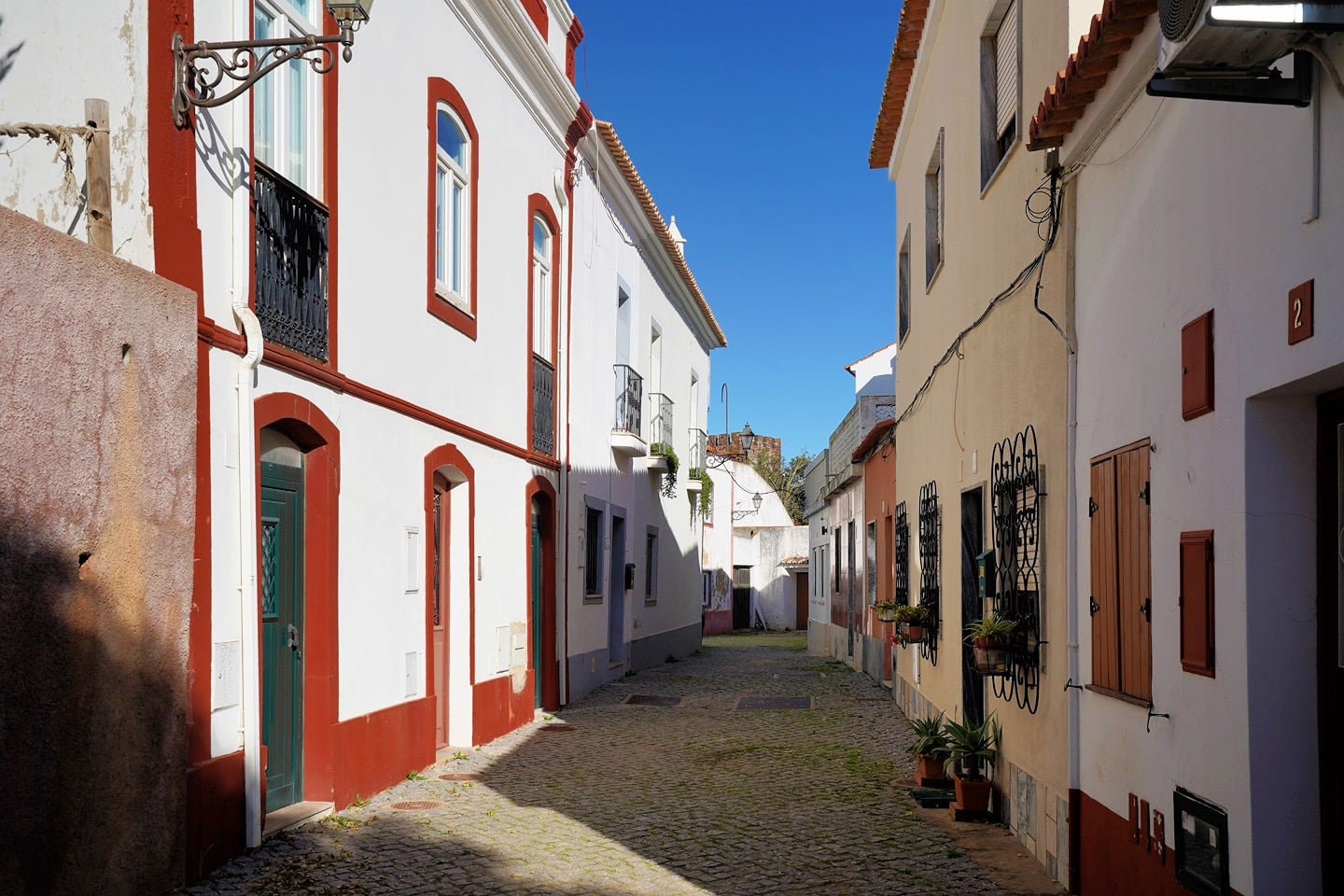
The Old Town Streets
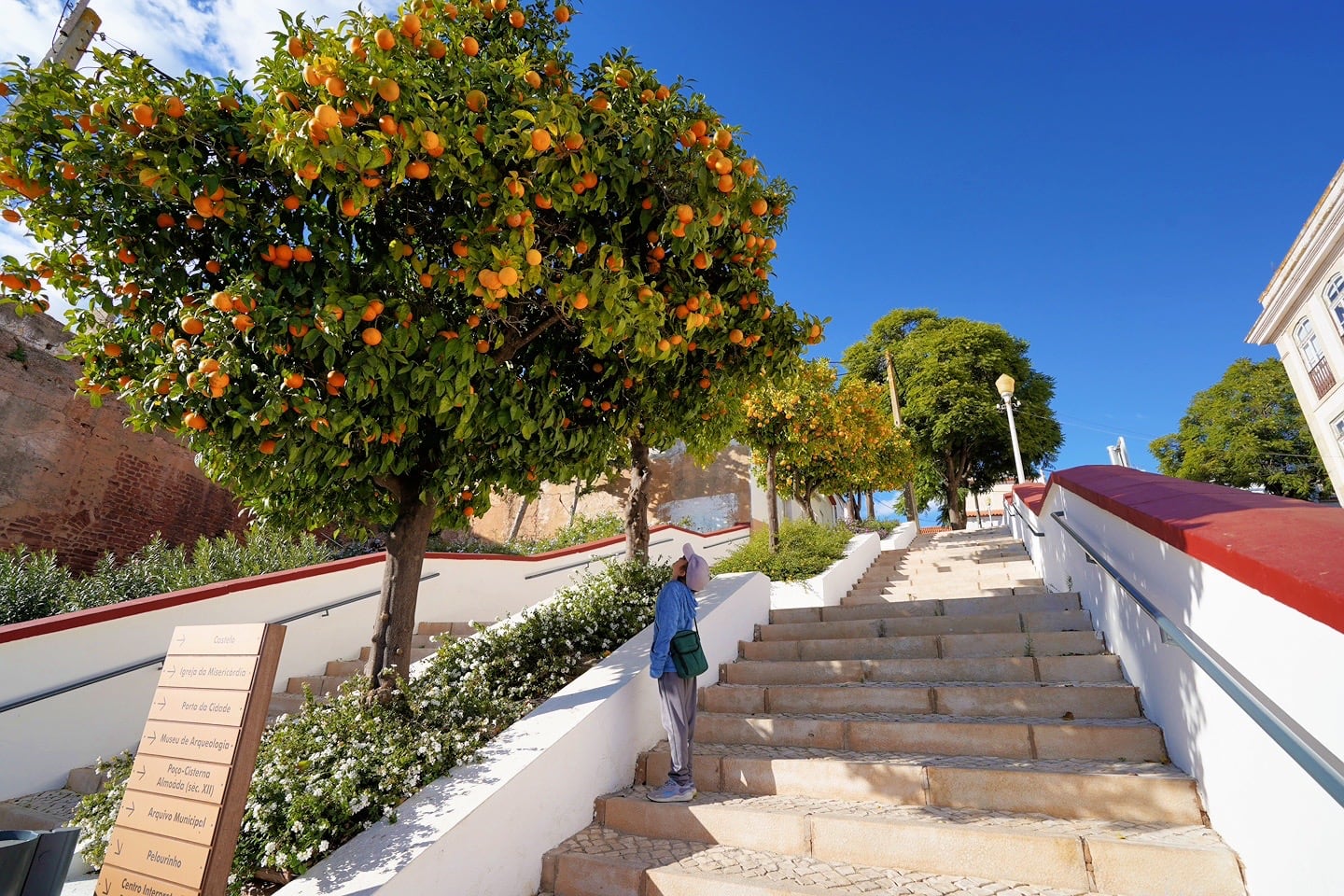
But Silves isn’t all museums, of course—the old town itself is a key part of the experience. The streets below the castle are narrow, sloped, and mostly residential, with small cafés, shops, and quiet corners.
Walking around town without a plan worked well for us. We found that wandering downhill from the castle toward the river, then over to the old Roman bridge is a good way to take in the highlights of town.
If you’re visiting in the afternoon in the warmer months, this is might be a good time to slow down, grab a coffee, and observe daily life. In the evening, the streets become especially subdued and take on a locals vibe, which is one of the main arguments for staying overnight.
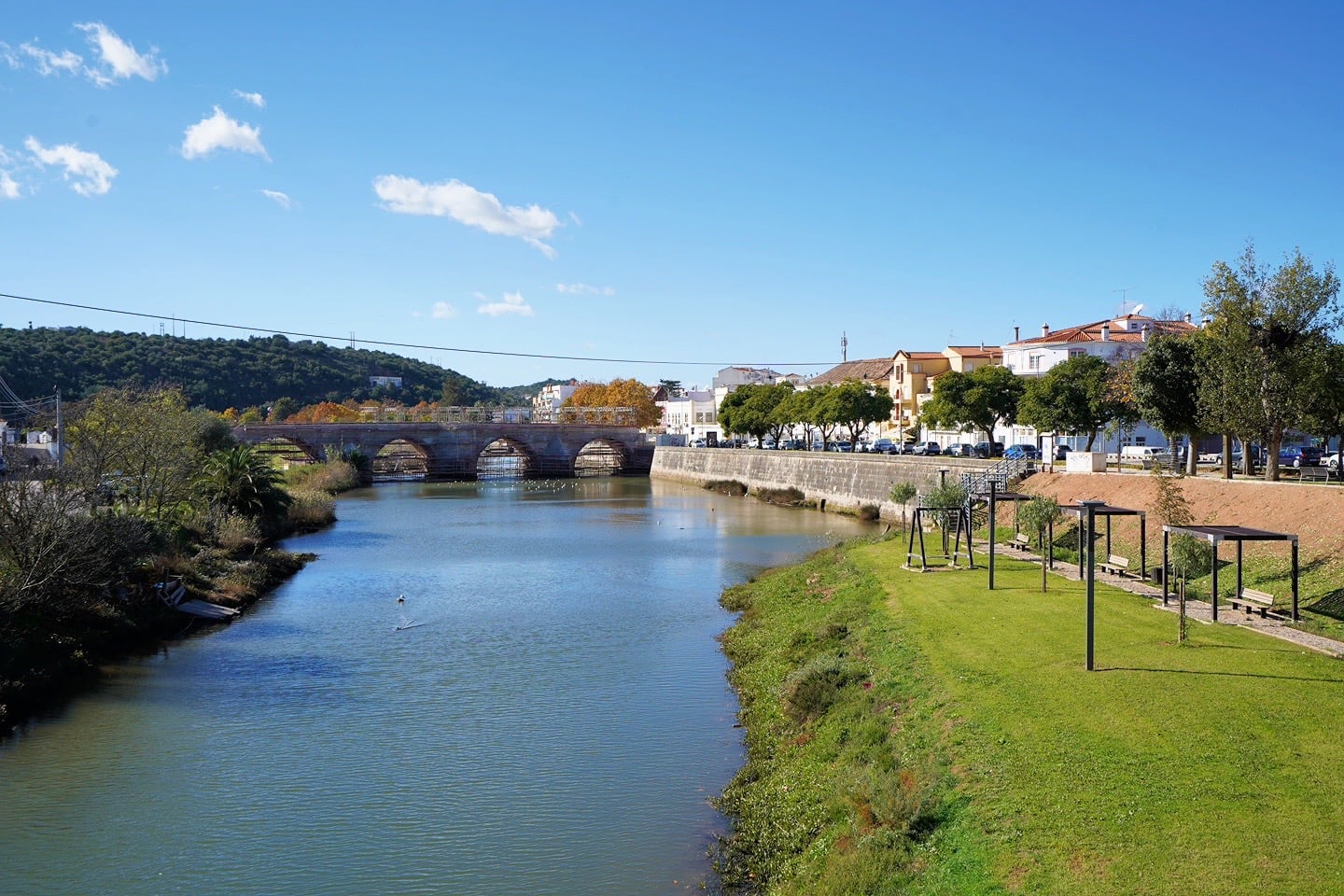
The Arade River & Roman Bridge Area
At the bottom of town, the Arade River adds yet another layer to the story of Silves. While it’s no longer navigable the way it once was, it’s fun to imagine what life might have been like back when Silves was a lively inland port city and capital of a kingdom.
The area around the Roman bridge is a pleasant place to walk, especially late in the day. There are benches, river views, and a few restaurants nearby, and a nice little city park with a playground at the far end of town.
Optional: Cruz de Portugal
If you find yourself with extra time or are staying overnight, the Cruz de Portugal (Cross of Portugal) might be worth the short walk. It’s a Gothic stone monument just outside the historic center, believed to date from the 15th century.
How We’d Structure a First Visit
If we were doing Silves again for the first time, we’d start at the castle in the morning, move down to the cathedral, visit the archaeological museum next, then wander the old town toward the river. That order minimizes uphill walking and makes the day feel relaxed and not rushed.
If you’re visiting on a hot day, you’ll probably want to break it up with café stops and indoor visits. If you’re staying overnight, revisit the castle area early the next morning—you’ll likely have the place to yourself.
Where to Stay in Silves (and Why It’s Worth Staying Overnight)
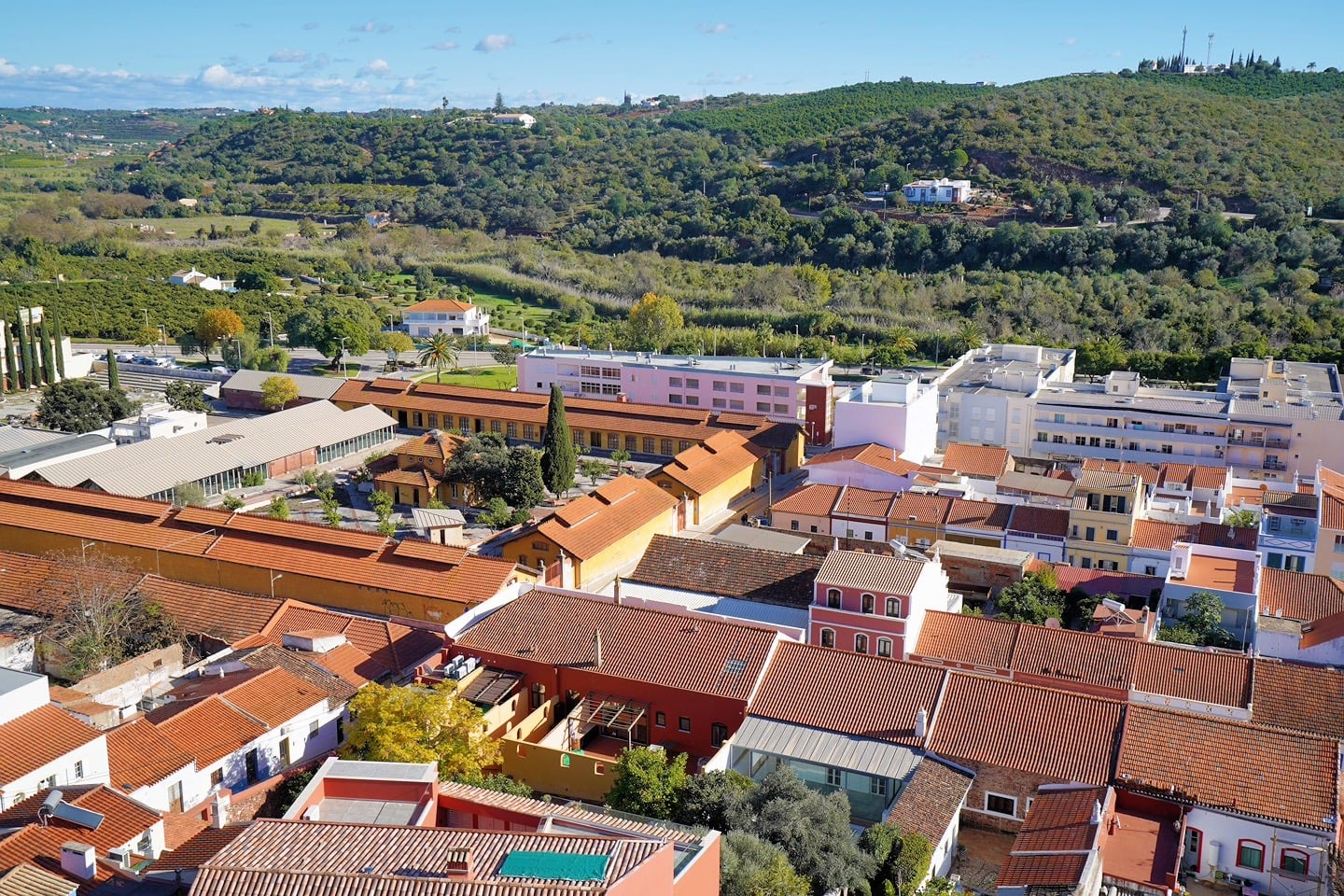
We were only able to make it out to Silves for the day, but we hear that staying overnight is worth it if you have the time and flexibility in your schedule (especially during the warmer and busier months).
Once the castle closes and day-trippers leave, Silves becomes quiet in a way that few other tourist towns in the Algarve are these days. You can walk the old town in the evening, have a relaxed dinner, and visit the castle first thing in the morning before the heat sets in. Lodging here also tends to be more affordable than coastal resorts, especially for couples and families.
Our Silves Lodging Recommendations
Silves may be a small town, but choosing the right place to stay makes all the difference. Whether you’re looking for charm, views, or great value, these are the spots we’d happily book again.
✓ Casa Riad Yasmin ▸ Our top pick of where to stay in Silves. This intimate guesthouse blends Moroccan-inspired design with Algarve warmth, making for a peaceful, stylish retreat right in the historic center.
✓ Casa das Amendoeiras ▸ A lovely guesthouse set amongst almond trees just outside the town center. With its serene garden, cozy rooms, and warm hosts, it’s a great choice if you want a peaceful retreat within easy reach of Silves’ attractions.
✓ Vila Sodré Guesthouse ▸ This is a great pick for a friendly, affordable stay with lots of character. The vibe is relaxed and welcoming, and it’s a convenient base for exploring both Silves and the surrounding Algarve countryside.
Best Places to Eat in Silves
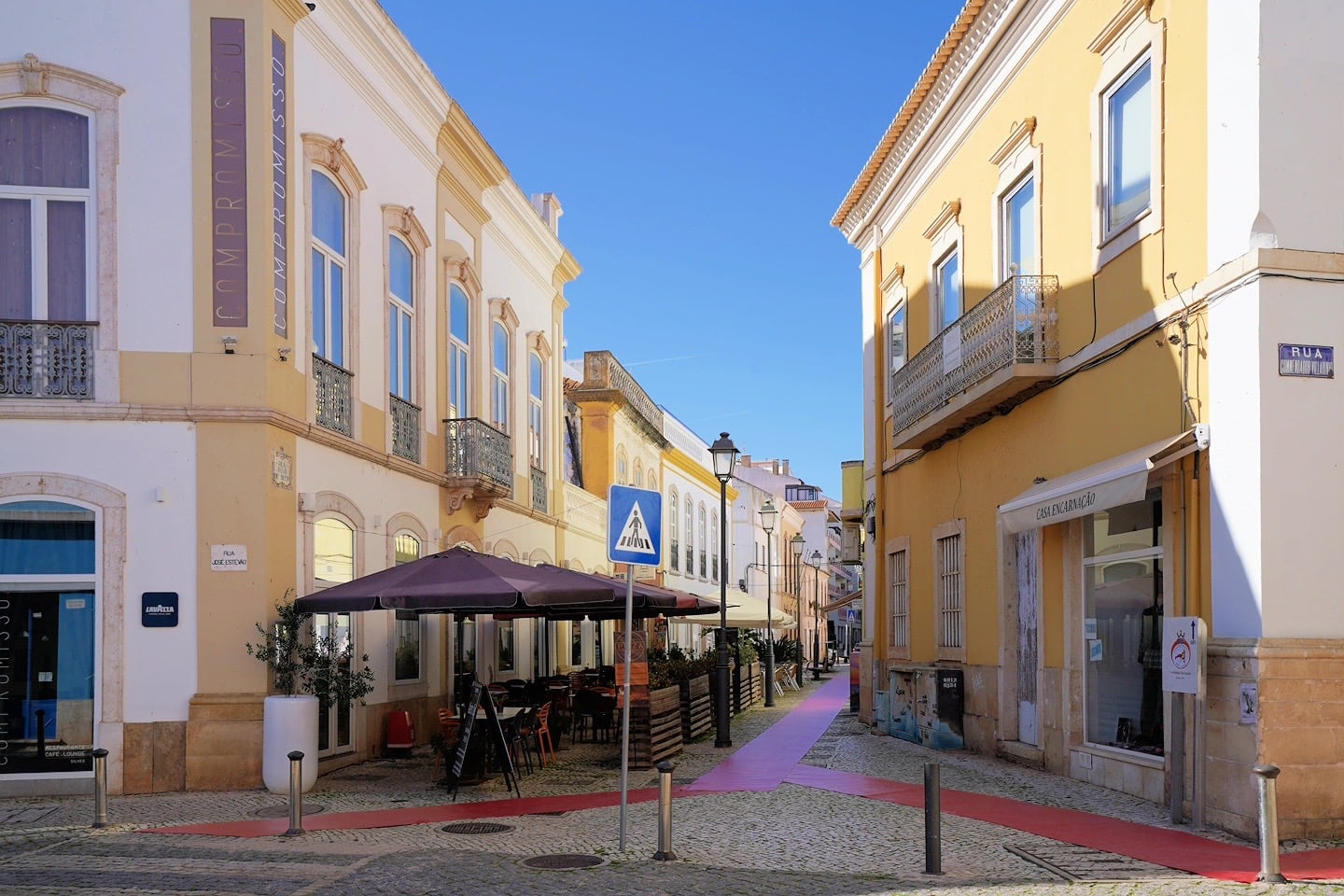
Silves isn’t packed with restaurants, but the places that are here tend to be straightforward and focused on traditional Portuguese cooking rather than tourist menus.
Lunch will likely be your best value, but dinner tends to be an enjoyably laidback affair if you’re staying overnight.
✓ Café Inglês ▸ This is one of the most well-known restaurants in Silves, set inside a historic building near the castle. The menu is a mix of Portuguese and international plates, is especially good for dinner (we hear), and works well for groups or families.
✓ Restaurante Ponte Romana ▸ A more traditional option near the river, Ponte Romana focuses on Portuguese staples like grilled meats, fish, and some regional dishes. Portions are generous, prices are reasonable, and the place is popular with locals.
✓ Marisqueira Rui ▸ If you want seafood, this is one of the better bets in town (with prices that tend to be cheaper than comparable seafood restaurants in the resort towns on the coast. The menu is heavy on classic Algarve seafood preparations and light on creative twists.
Best Time to Visit Silves
When compared to popular nearby tourist hubs like Lagos and Albufeira, Silves tends to be less busy year-round.
Most travelers would probably consider spring (March–May) and fall (September–October) to be the most ideal times to visit. The weather is comfortable, the town isn’t crowded, and walking is pleasant.
With that said, we visited in late November and had wonderful weather and a great time (though it may have been a bit too sleepy for our tastes).
Like most inland communities in the Algarve in summer…visiting during this time is doable…but can be hot, especially midday, so plan your castle visit accordingly.
Weekdays tend to be far quieter than weekends year-round. If you’re visiting in August, expect more domestic tourism and plan around the midday heat (it can be brutal).
Final Thoughts
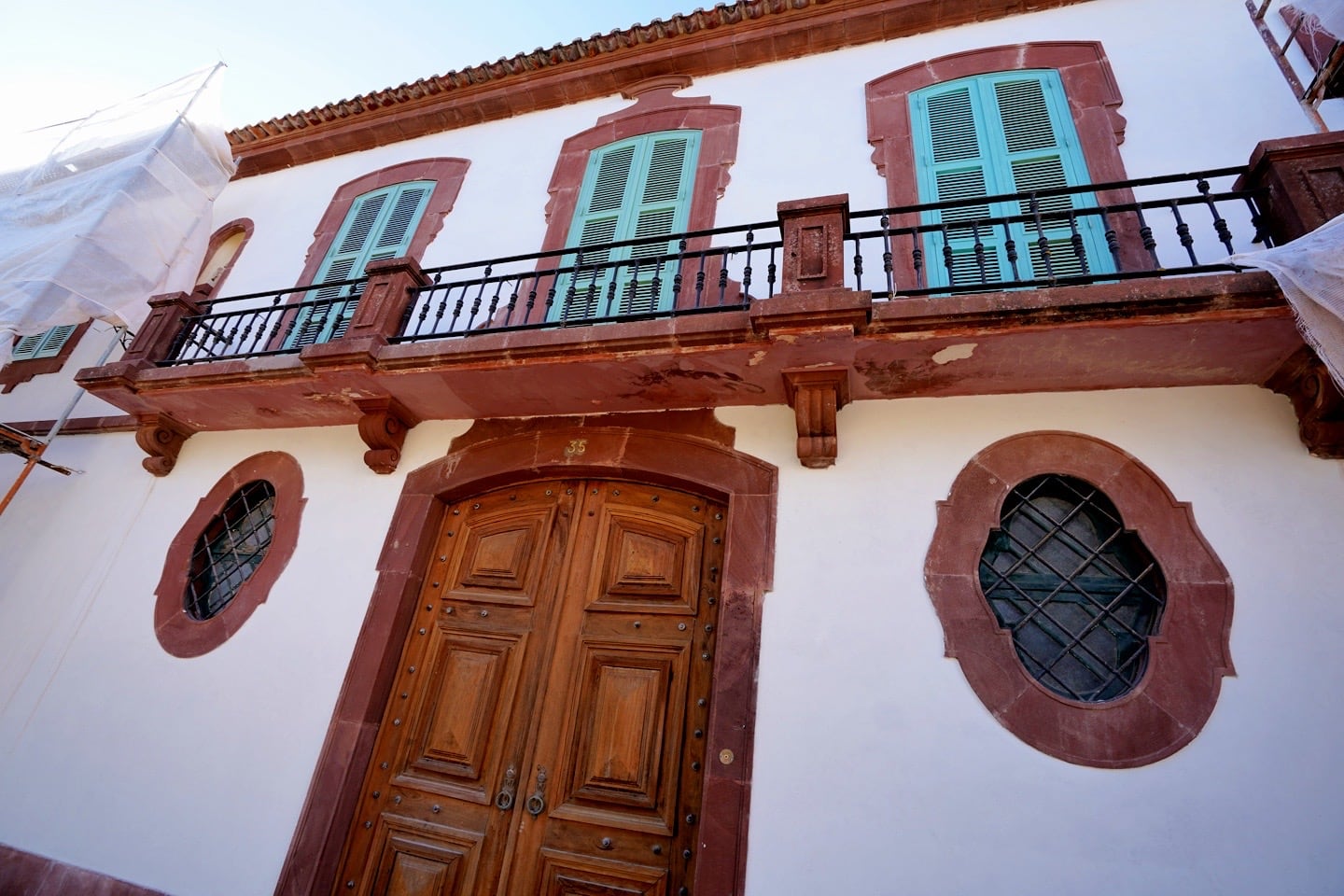
We really enjoyed our day trip to Silves from Lagos—far more than we thought we might.
The town is a refreshing change from the touristy beach towns of the region and it’s just a really nice place to stroll and meander.
We also enjoyed learning a lot more about the history of the Algarve. Staying in a place like Lagos, there are a few historic sights but it’s hard to scratch the surface. Silves made that a lot easier.
If you’re looking to balance coastal time with a more authentic experience (and a dash of history), we think Silves is absolutely worth your time!

More Reading for Your Portugal Trip
The Algarve
- Sagres, Portugal: 8 Best Things to See & Do in One Day
- Ponta da Piedade in Lagos: Our 4 Favorite Ways to Visit
- Our 8 Favorite Beaches in Lagos, Portugal: A Detailed Guide
Lisbon
- Jerónimos Monastery in Lisbon: Detailed Visitor Guide
- São Jorge Castle: 5 Things to Avoid When Visiting
Sintra
Southern Spain